
Last updated September 23, 2026
Insulation Warning Signs: A Long Beach Homeowner’s Reference Guide
A room that’s 6°F warmer than the rest of the house on a summer afternoon is almost never an insulation-depth problem. In our experience across Long Beach, from Belmont Shore to Bixby Knolls, it’s an air-bypass problem - typically a top-plate gap or can-light penetration that a blower-door test locates in under two hours. Most insulation failures announce themselves through proxy symptoms before they show up as visible damage, and recognizing those proxies early is what separates a $1,200 air-sealing job from a $6,000 remediation. This guide maps warning signs to their likely building-envelope cause so you can describe the problem accurately before any contractor arrives, and for more guides & resources on maintaining your home’s efficiency, visit our blog.
Quick Answer
The most common insulation warning signs in Long Beach homes are uneven room temperatures, HVAC systems that short-cycle (turn on and off rapidly), rising electricity bills despite stable usage, dust accumulation on supply vents, and musty odors confined to specific rooms. These symptoms usually indicate air bypasses - gaps in the building envelope that allow conditioned air to escape and unconditioned attic or crawl space air to enter - rather than simply thin or degraded insulation. A blower-door test, which measures air leakage in cubic feet per minute at 50 pascals of pressure (CFM50), identifies the exact location and severity of these bypasses.
Table of Contents
- Thermal Comfort Symptoms and What They Actually Mean
- Reading Your Utility Bills: Insulation Degradation vs. HVAC Inefficiency
- Indoor Air Quality Signals That Point to Envelope Problems
- Visual Inspection Points You Can Check Without Entering the Attic
- The Documentation Checklist: What to Photograph Before Calling a Contractor
- How Long Beach’s Climate and Coastal Conditions Affect Insulation Performance
- What Insulation and Air Sealing Costs in Long Beach
- Common Mistakes to Avoid
- When to Call a Professional
- Frequently Asked Questions
Thermal Comfort Symptoms and What They Actually Mean
Homeowners in Long Beach often describe their problem as “the insulation isn’t working.” But insulation doesn’t stop working all at once, and when it does fail, the symptoms are rarely what people expect. Here’s how to interpret what you’re feeling.
Hot Rooms on the Second Floor or West Side
In Long Beach, where afternoon sun hits west-facing walls hard and marine-layer mornings keep east sides cool, a hot room is usually not about R-value. It’s about pressure. Warm air rises and escapes through gaps in the attic floor - around top plates where interior walls meet the ceiling, through recessed can lights, around plumbing and electrical penetrations. This creates negative pressure downstairs, which pulls hot attic air in through the same gaps. The room gets hot not because there’s too little insulation, but because the insulation that’s there is being bypassed by moving air.
We’ve measured this repeatedly in Lakewood Village and California Heights homes built between 1945 and 1975. The attic has 6 inches of original fiberglass, sometimes more. But the blower-door test reads 3,800 CFM50 before sealing and 1,900 after - a 50% reduction in air leakage with no insulation added. The room temperature equalizes because the air stopped moving, not because we made the blanket thicker.
Cold Floors Over Crawl Spaces
Homes in Belmont Heights and Bluff Park with raised foundations often have cold floors in winter. The knee-jerk assumption is insufficient floor insulation. More often, it’s missing or degraded vapor barriers in the crawl space, plus open foundation vents that allow damp Pacific air to circulate underneath. The insulation batts, even if present, become moisture-laden and lose their effective R-value. Rockwool and CertainTeed both manufacture mineral wool products that resist moisture better than fiberglass in this application, but no material performs well when saturated.
Drafts at Outlets and Switches on Exterior Walls
This is one of the most specific proxy symptoms. If you feel air movement at an outlet or switch on an exterior wall, the air is not coming through the wall cavity from outside. It’s coming from the attic or crawl space, traveling through the wall cavity, and exiting at the electrical box. The path is: attic air enters at the top plate gap, drops through the stud bay, and finds the outlet as its exit point. Sealing the top plate from the attic side stops this draft more effectively than any amount of outlet gaskets.
HVAC Short-Cycling
When a furnace or air conditioner turns on, runs for three to five minutes, shuts off, then turns on again ten minutes later, that’s short-cycling. The equipment is reaching its setpoint too quickly because it’s conditioning a space that’s leaking that conditioned air almost as fast as it’s produced. The thermostat, often located in a central hallway, reads the target temperature while peripheral rooms remain uncomfortable. In Long Beach’s mild climate, this pattern is especially common in spring and fall when the temperature differential between inside and outside is small - the leakage is less dramatic but the equipment cycles more frequently because the load is so light.
Key proxy symptoms mapped to probable cause:
- Hot second-floor room in summer: attic floor air bypasses, especially around top plates and can lights
- Cold floors over crawl space: missing vapor barrier, open foundation vents, moisture-saturated floor insulation
- Drafts at outlets on exterior walls: attic-to-wall cavity air path, unsealed top plates
- HVAC short-cycling: envelope leakage causing rapid temperature equalization at thermostat location
- Room that never reaches setpoint: duct leakage or disconnected duct in attic, often combined with envelope leakage
Reading Your Utility Bills: Insulation Degradation vs. HVAC Inefficiency
Most Long Beach homeowners receive a “Home Energy Report” from Southern California Edison comparing their usage to similar homes. The comparison is crude - it doesn’t account for occupancy, plug loads, or whether you work from home. Your own 12-month kWh history tells a more precise story.
The Pattern That Indicates Envelope Problems
Pull 12 consecutive months of electric bills. Look at the kWh, not the dollar amount (rates change). Plot mentally or on paper: you’ll see a curve that peaks in August or September, bottoms in February or March. In a home with envelope leakage, that curve is steep. The summer peak is 3x the winter baseline or more. In a well-sealed home with proper insulation, the ratio is closer to 2:1, even with air conditioning.
Here’s why: in Long Beach’s climate, cooling dominates because the marine layer moderates winter heating needs. When attic air bypasses allow 140°F attic air to infiltrate in summer, the air conditioner works against a much larger load than the thermostat setpoint suggests. The equipment runs longer, cycles more, and consumes disproportionate kWh. In winter, the same bypasses allow warm air to escape, but the temperature differential is smaller - 68°F inside versus 50°F outside on a cold morning - so the heat loss is less dramatic. The result is a lopsided curve: massive summer consumption, modest winter consumption.
The Pattern That Indicates HVAC Problems
If your kWh is elevated year-round, flat across seasons, with no dramatic summer peak, the problem is likely the HVAC system itself. Possible causes: a refrigerant charge issue, dirty condenser coils, a failing compressor, or duct leakage so severe that the system conditions the attic instead of the living space. Duct leakage in the attic is actually an envelope problem too - it’s conditioned air leaving the building - but it shows up differently on the bill because it wastes energy in both heating and cooling seasons equally.
The Pattern That Indicates Insulation Settlement or Degradation
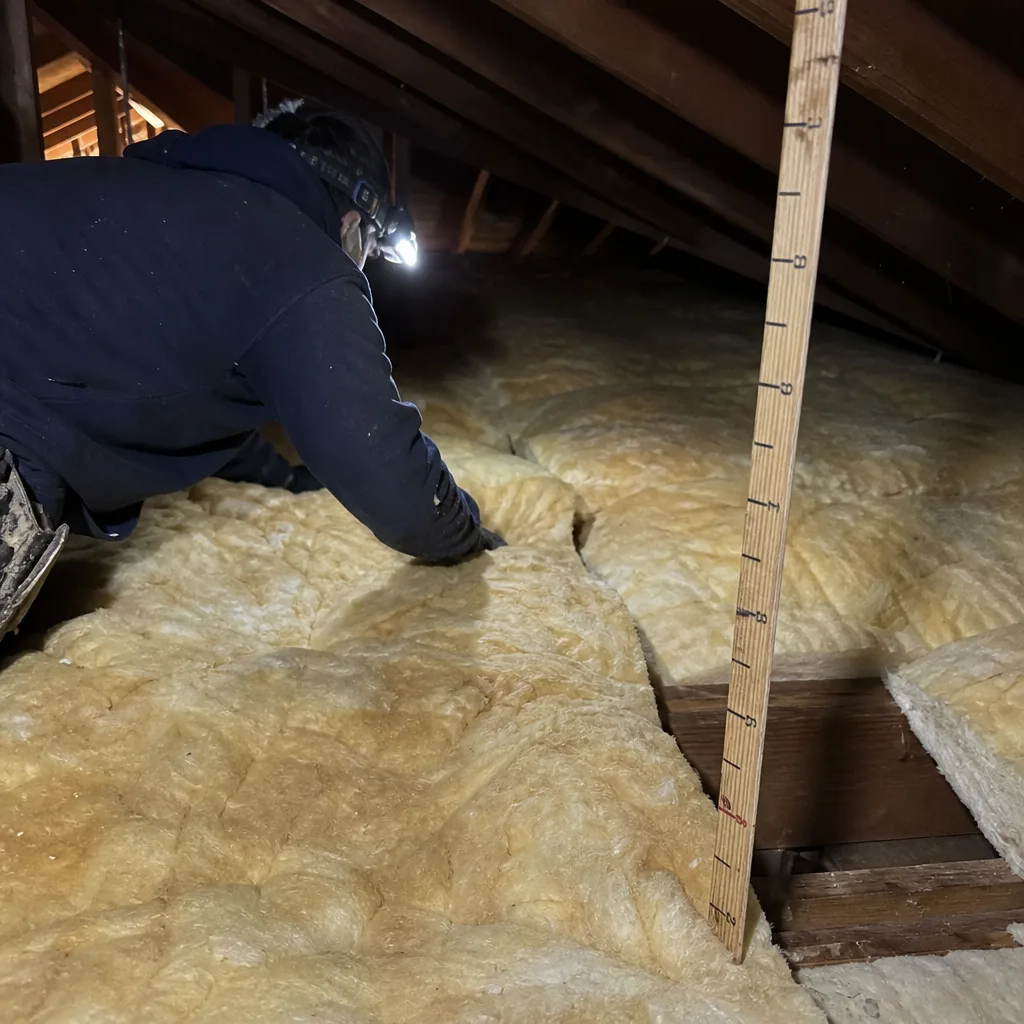
Blown-in fiberglass and cellulose settle over time. In Long Beach homes built before 1990, we commonly find original attic insulation compressed to 3-4 inches, well below its labeled R-value. The bill pattern here is gradual: year-over-year increase in kWh for the same months, with no single dramatic jump. The homeowner often says, “It didn’t used to be this expensive to cool the house.” The insulation hasn’t failed catastrophically; it has slowly become less effective, and the HVAC system has compensated by running longer. Our Attic Insulation Maintenance Checklist for Long Beach Homeowners shows how to catch this early.
How to distinguish the three patterns:
- Request 24 months of kWh data from SCE if you don’t have paper bills. The usage history is more reliable than dollar amounts.
- Calculate your summer ratio: August kWh divided by February kWh. Above 3.0 suggests envelope leakage. Below 2.0 with high overall usage suggests HVAC or duct issues. A gradually climbing ratio over multiple years suggests insulation degradation.
- Note any month with a spike that doesn’t match the weather. A January spike might indicate emergency electric heating due to a failed furnace - a separate issue entirely.
- Compare same-month, year-over-year. August 2024 versus August 2023, not August versus February.
Before-and-after blower-door numbers cut through this guesswork. We’ve tested homes in Signal Hill where the homeowner was certain they needed new HVAC equipment; the blower-door reading was 4,500 CFM50, and after air sealing it dropped to 2,200. The existing air conditioner, properly sized for the reduced load, suddenly performed adequately. No equipment replacement needed.
Indoor Air Quality Signals That Point to Envelope Problems
Insulation and air quality are connected through pressure and particulate pathways. When we seal an attic floor in Long Beach, homeowners often report less dust, fewer allergy symptoms, and the disappearance of a musty smell they had attributed to old carpet or pet issues. The carpet wasn’t the problem.
Dust Accumulation on Supply Vents
If you wipe a finger across a supply vent and it comes away gray with dust within a week of cleaning, that dust is not coming from your ductwork (unless your ducts are severely leaking and pulling attic air). More commonly, it’s coming from the living space itself - and the reason it’s concentrating at the vent is that the HVAC system is running excessively due to envelope leakage, stirring up and filtering more air volume than a sealed home would require. The dust is a symptom of over-cycling, which is a symptom of air bypasses.
In homes near Long Beach Airport or the 405 corridor, where outdoor particulate loads are higher, this pattern intensifies. The same air volume moving through the filter means more total particulate capture, faster filter loading, and more frequent changes. If you’re changing a 1-inch filter monthly instead of quarterly, check your envelope before blaming the neighborhood air quality.
Musty Odor Confined to One Room
A musty smell that stays in one room, especially a downstairs room on the north or east side, often indicates crawl space air intrusion. In Long Beach’s older neighborhoods - Wrigley, North Long Beach, parts of Zaferia - raised foundations with dirt crawl spaces are common. Without a proper vapor barrier, soil moisture evaporates into the crawl space air. That air, carrying mold spores and organic compounds, enters the living space through gaps in the subfloor, around plumbing penetrations, or through the wall base plate. The room smells musty because it’s breathing crawl space air, not because the carpet is old.
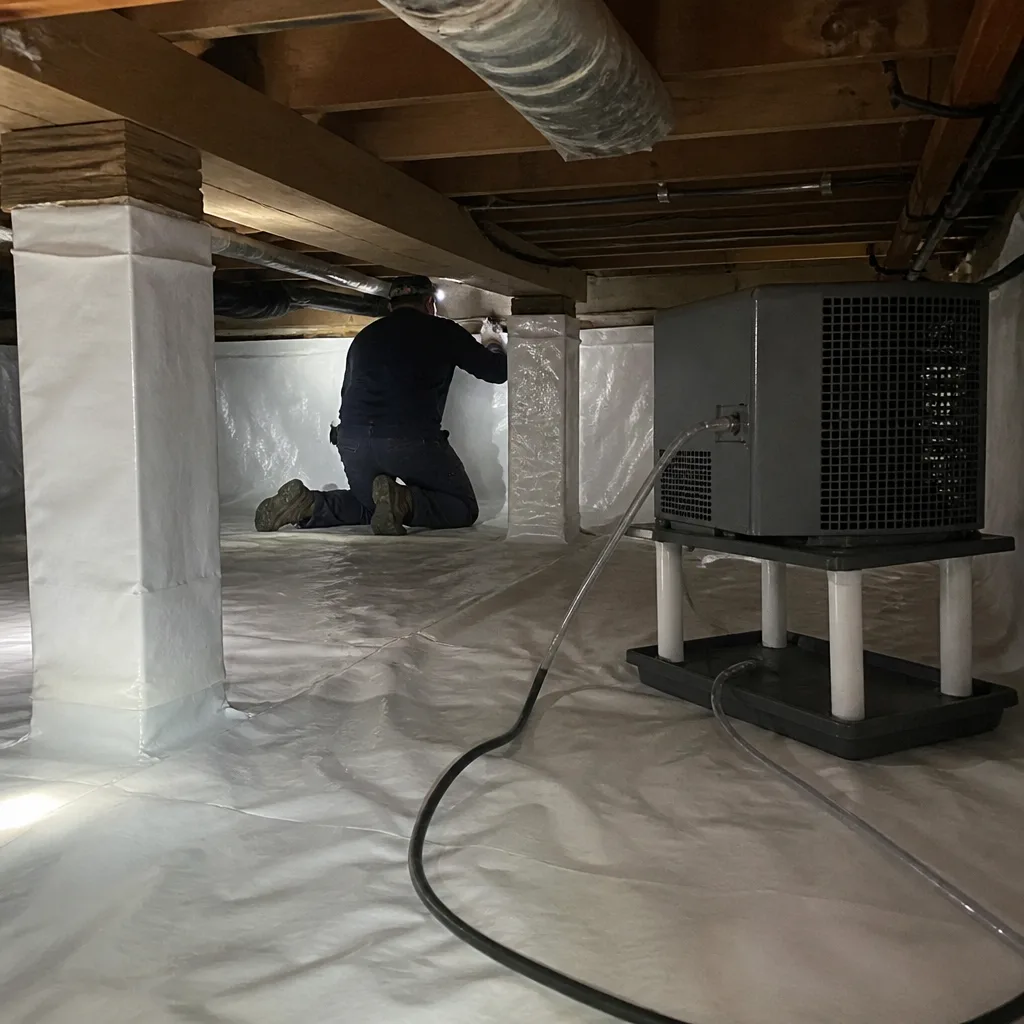
We’ve encapsulated crawl spaces in these neighborhoods where the homeowner had already replaced flooring and drywall twice, chasing the odor. The vapor barrier and sealed vents stopped the air path; the smell didn’t return. Crawl Space Encapsulation & Vapor Barrier in Long Beach addresses this specifically.
Humidity That Doesn’t Match the Thermostat Setting
Long Beach’s marine layer keeps outdoor relative humidity elevated, especially mornings and evenings. A well-sealed home with proper insulation maintains indoor humidity independently. If your indoor humidity tracks outdoor humidity closely - rising in the morning, falling in the afternoon - the envelope is too permeable. The home is breathing with the atmosphere instead of maintaining its own internal environment.
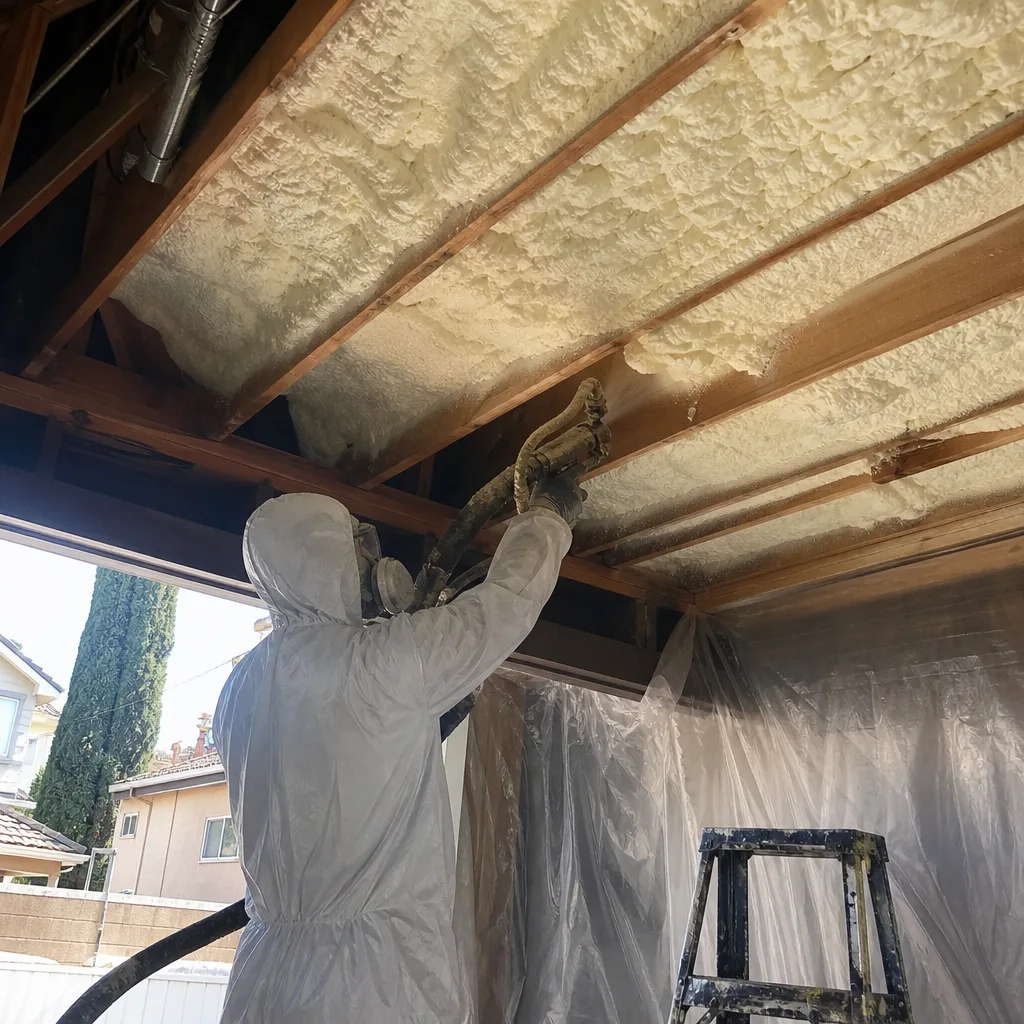
Spray foam insulation, particularly open-cell Icynene or closed-cell Demilec products, creates an air barrier as well as thermal insulation. In homes where humidity control is the primary concern, we sometimes recommend Spray Foam Insulation in Long Beach for specific applications like rim joists or kneewalls where conventional insulation can’t form a continuous barrier.
Allergies That Worsen Indoors
Pollen and outdoor allergens enter through the same bypasses that allow air leakage. A home with a tight envelope and mechanical ventilation (an ERV or HRV) can filter incoming air. A leaky home filters whatever the wind blows in. If your symptoms improve when you leave the house and worsen when you return, the building envelope is the suspect, not the landscaping.
Visual Inspection Points You Can Check Without Entering the Attic
You don’t need to climb into your attic to gather useful intelligence. These inspection points are accessible from the living space and tell a trained eye - or a homeowner with a phone camera - a great deal about what’s happening above the ceiling.
Recessed Can Lights
Look up at your can lights. Are they IC-rated (Insulation Contact)? The housing will be labeled “IC” if so. Non-IC can lights create a 6-inch clearance zone where insulation cannot be placed, leaving a thermal bypass. Worse, many older can lights have open gaps in the housing that allow direct attic air communication with the living space. If you can see gaps around the trim ring, or if the light fixture itself gets hot enough to notice, it’s likely a thermal and air-leakage problem.
In Long Beach’s pre-1980 housing stock, we find original non-IC cans constantly. Replacing them with airtight, IC-rated LED housings - not just screwing in LED bulbs - is often the single most effective intervention for a hot room below.
Attic Hatch Perimeter
The attic hatch is the largest single unsealed opening in many homes. Check the perimeter: is there weatherstripping that compresses when the hatch closes? Is there a latch or bolt that pulls the hatch tight against that weatherstripping? Is the hatch itself insulated - typically with a piece of rigid foam board attached to the attic side? If the answer to any of these is no, you’re looking at a significant bypass. Attic hatches can leak as much air as a 6-inch diameter hole in the wall, continuously.
Top Plates Visible Through Open Wall Cavities
If you’re doing any renovation - removing drywall, replacing baseboards, installing a new door frame - look at the top of the wall cavity where it meets the ceiling. The top plate is the horizontal framing member. In most Long Beach homes, there’s a gap between the top plate and the drywall ceiling, sometimes visible, sometimes hidden by texture. That gap is a direct air path to the attic. In balloon-framed homes, common in Zaferia and other 1920s neighborhoods, that path extends all the way from the crawl space or basement to the attic, creating a chimney effect that moves air through the walls year-round.
Exterior Penetrations
Walk the exterior. Look where utilities enter: electrical mast, gas line, hose bibs, dryer vent, plumbing vents. Each of these penetrates the wall and creates a potential bypass. From inside, check under sinks and behind appliances for gaps around pipes. These are not just pest entry points; they’re air pathways that connect to wall cavities and, ultimately, to the attic or crawl space.
Window and Door Trim
Remove a piece of window trim if you’re already painting or repairing. The gap between the window frame and the rough opening is often wide and unsealed - sometimes 1/2 inch or more. This is standard construction practice; the trim hides it. But it’s a significant air path, especially in older homes where the original windows have been replaced and the new, smaller window frame was shimmed into the larger opening without proper air sealing.
Interior inspection checklist:
- Photograph all can lights from below; note IC vs. non-IC and any visible gaps
- Photograph attic hatch from below and above (if safe to open); note weatherstripping condition and insulation
- During any wall opening, photograph top plate gaps; measure if possible
- Photograph utility penetrations from inside and outside
- Remove one window trim piece per floor; photograph gap between frame and rough opening
- Note any water staining, pest droppings, or disturbed insulation visible at any access point
The Documentation Checklist: What to Photograph Before Calling a Contractor
The quality of your contractor visit depends partly on what you bring to it. A homeowner who arrives with organized documentation gets a more precise diagnosis and a more accurate written price. Under Haven Standard Clause 1, every job begins with a written price - flat price, written scope, written warranty before anyone lifts a tool. The documentation you provide shapes that scope.
Utility Bills: 12 Months Minimum, 24 Preferred
PDF or paper, front and back. We need kWh and therms (if gas), not just dollar amounts. If you have SCE’s online account, download the “Green Button” data for the most granular view - hourly usage if available. This reveals patterns invisible on monthly bills, like overnight consumption that shouldn’t exist (indicates equipment running when it shouldn’t) or spikes that correlate with specific weather events.
Thermostat Logs or Smart Thermostat Data
Nest, Ecobee, Honeywell Home - all of these export data. Runtime hours by day, temperature setpoints, and “away” periods. The key metric is HVAC runtime per degree-day. If your system runs 12 hours on a 75°F day in Long Beach, something is wrong. A well-sealed, properly insulated home of similar size might run 4 hours. The thermostat data proves the symptom you’re describing.
Visible Water Staining or Pest Activity
Photograph any discoloration on ceilings, especially near exterior walls or under bathrooms. Water staining indicates a roof leak or condensation issue that must be resolved before insulation work. Insulating over wet materials traps moisture and creates mold conditions. Similarly, photograph any signs of rodent activity in the attic or crawl space: disturbed insulation, droppings, gnawed wires. Rodents compress insulation, create bypasses, and introduce health hazards. Topside Attic Insulation Long Beach home services include insulation removal and replacement when contamination is present, plus rodent proofing to prevent recurrence.
Thermal Comfort Log
For two weeks, record: outdoor temperature (from your phone), indoor temperature in the problem room, indoor temperature in a comfortable room, and HVAC runtime if you can observe it. This simple log often reveals patterns the homeowner has normalized: “Oh, the back bedroom is always 8 degrees warmer - we just close the door.” That 8-degree differential is the entire problem statement. A contractor who sees that data knows exactly where to start testing.
Previous Contractor Documentation
If another contractor has already visited, bring their written estimate, any photos they provided, and any test results. We offer a Free Second Opinion on Any Written Estimate - bring us a competing quote and we will read it with you. Often we find scopes that address symptoms (add more insulation) without addressing causes (seal the bypasses first). The Haven Standard requires sealed first, then insulated - in that order. We will never blow insulation over an unsealed attic floor.
How Long Beach’s Climate and Coastal Conditions Affect Insulation Performance
Long Beach’s climate is milder than inland Southern California but more demanding on building envelopes in specific ways. Understanding these local factors helps interpret warning signs correctly.
Marine Layer and Moisture Cycling
The Pacific marine layer rolls in most nights and burns off by mid-morning, creating a daily humidity cycle that few other climates match. This moisture, while not extreme in absolute terms, is persistent. It finds its way into attics through bypasses, condenses on cool surfaces (air-conditioned ductwork, north-facing roof sheathing), and creates conditions for mold growth and insulation degradation. Fiberglass insulation that gets wet repeatedly loses its loft and its R-value. Cellulose, treated with borate for fire resistance, handles moisture better but can still compact and support mold if chronically damp.
In homes within a mile of the water - Bluff Park, Belmont Shore, Peninsula - we see this pattern intensified by salt air, which corrodes metal fasteners and can degrade some vapor barrier materials over time. The insulation itself may be intact, but the air sealing that protects it has failed.
Solar Gain on West and South Surfaces
Long Beach’s afternoon sun is strong, especially in late summer when the marine layer is less reliable. West-facing second-floor rooms experience solar gain through the roof assembly even with adequate insulation, if radiant heat transfer is not addressed. A radiant barrier - reflective foil or coated roof sheathing - reduces radiant heat transfer by up to 95% and can make the difference between a room that’s warm and one that’s uninhabitable. We install radiant barriers in attics where cooling load, not heating load, is the dominant concern.
Earthquake Construction and Envelope Gaps
Long Beach’s seismic history - the 1933 Long Beach earthquake in particular - shaped building practices. Post-1933 construction includes more shear walls, hold-downs, and structural movement joints. These are necessary for safety but create additional envelope complexity. Movement joints that aren’t properly sealed become air bypasses. Shear walls with offset framing create corners where insulation is difficult to install completely. Homes that have been through significant seismic retrofitting often have new envelope gaps where structural work disturbed original air barriers.
Title 24 and Local Code Evolution
California’s Title 24 energy code has tightened substantially since 2016, when Envelope Insulation Co. began operating under The Haven Standard. Homes built before 2005 often have no continuous air barrier requirement at all. Homes built 2005-2019 have some air sealing requirements but minimal verification. Only since 2019 has Title 24 required blower-door testing for new construction. This means most Long Beach housing stock - the median home age is 1954 - was built with no attention to air leakage as a measured parameter. The symptoms you’re experiencing are not a failure of maintenance; they’re a predictable consequence of construction standards that didn’t address the problem. See The Complete Guide to Insulation in Long Beach for a full overview of solutions.
What Insulation and Air Sealing Costs in Long Beach
Price transparency is Haven Standard Clause 1. Here’s what we see in the Long Beach market, based on 9,000+ homes sealed and insulated since 2016. Every figure is a range; your specific written price depends on attic square footage, accessibility, existing conditions, and the scope required.
Air Sealing (Attic Floor)
- Typical range: $1,200-$2,800
- Includes: top plate sealing, can light sealing or replacement, plumbing/electrical penetration sealing, attic hatch treatment, chimney and flue sealing, duct boot sealing
- Blower-door test included: before-and-after CFM50 readings provided in writing
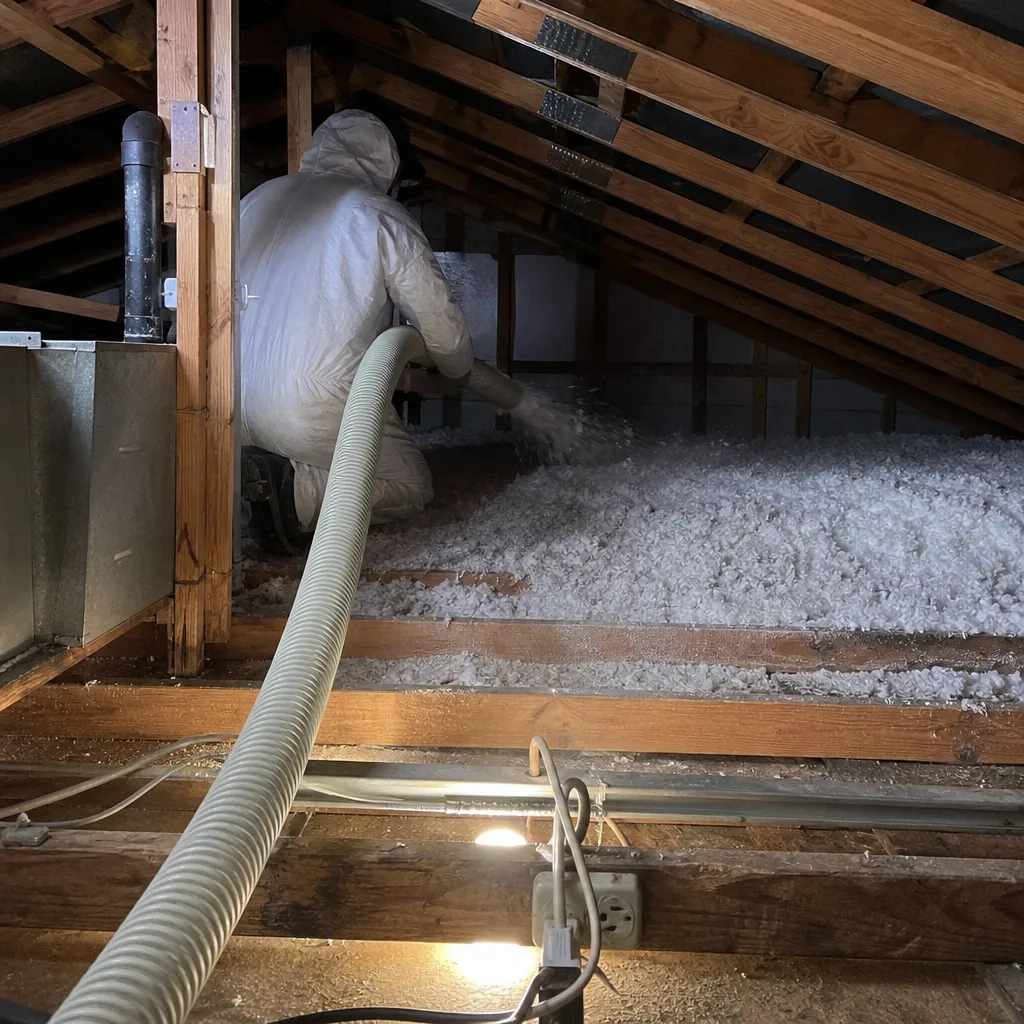
Attic Insulation (Blown-In Fiberglass or Cellulose)
- Typical range: $1.80-$3.20 per square foot installed
- Most Long Beach attics: 800-1,500 square feet
- Total job range: $1,400-$4,800 for insulation only
- Combined air sealing + insulation: $2,600-$7,600
Spray Foam Insulation (Open-Cell, Specific Applications)
- Rim joists, kneewalls, irregular cavities: $4.50-$7.00 per board foot
- Typical partial-application job: $2,800-$5,500
Crawl Space Encapsulation and Vapor Barrier
- Typical range: $3,500-$8,500
- Includes: vapor barrier installation, vent sealing, insulation of walls or floor (as appropriate), conditioned air supply if required
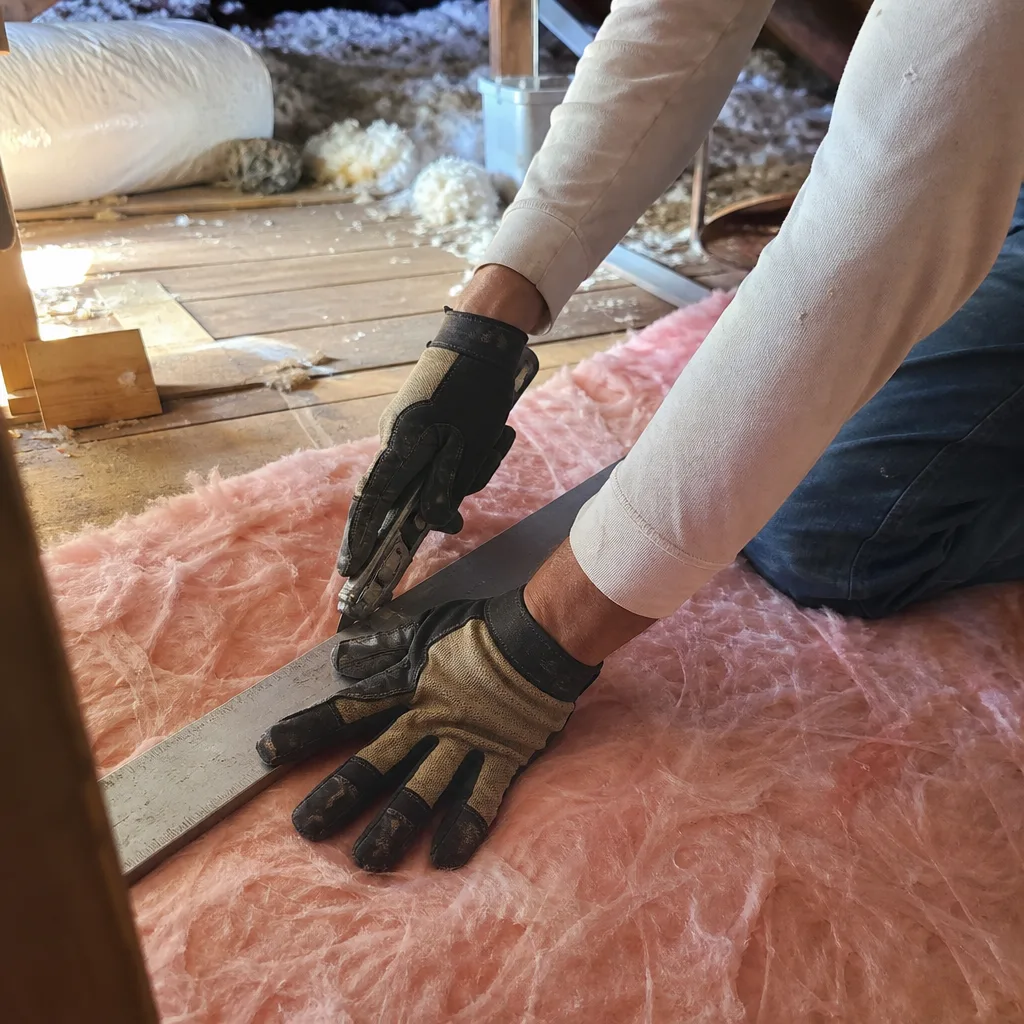
Insulation Removal and Replacement (Contaminated or Degraded)
- Typical range: $2.50-$4.50 per square foot
- Includes: removal, disposal, HEPA vacuuming of attic floor, sanitization if needed, new insulation installation
These ranges reflect Long Beach’s labor market, permit requirements, and the physical constraints of working in older homes with limited attic access. We source materials from Owens Corning, Johns Manville, Knauf, Rockwool, CertainTeed, Icynene, Demilec, and GreenFiber - no proprietary product lock-in, so we specify what’s appropriate for your specific condition.
Every job receives a Written Price Before Any Work Starts. No exceptions. The price you receive includes the written scope, the written warranty, and the Documented Photo Record you’ll receive when the crew leaves. On applicable jobs, before-and-after blower-door readings are provided so you can verify the air-sealing result.
Common Mistakes to Avoid
- Adding insulation without air sealing first. This is the most expensive mistake. Blown insulation over an unsealed attic floor simply hides the bypasses while allowing them to continue leaking. The new insulation may even make the problem worse by blocking visual access for future diagnosis. We seal first, then insulate - in that order, always.
- Replacing HVAC equipment before testing the envelope. A new, properly sized air conditioner cannot overcome a leaky envelope. We’ve seen homeowners in Los Altos and El Dorado Park spend $8,000-$12,000 on new equipment, then call us when the comfort problem persists. The blower-door test should come first; it often reveals that the existing equipment was adequate for a sealed home.
- Ignoring the crawl space. Long Beach homeowners focus on attics because that’s where heat rises. But crawl spaces supply the air pressure that drives attic leakage. An unsealed crawl space with open vents creates a stack effect that pulls conditioned air down and out. Encapsulation is often the critical complement to attic work.
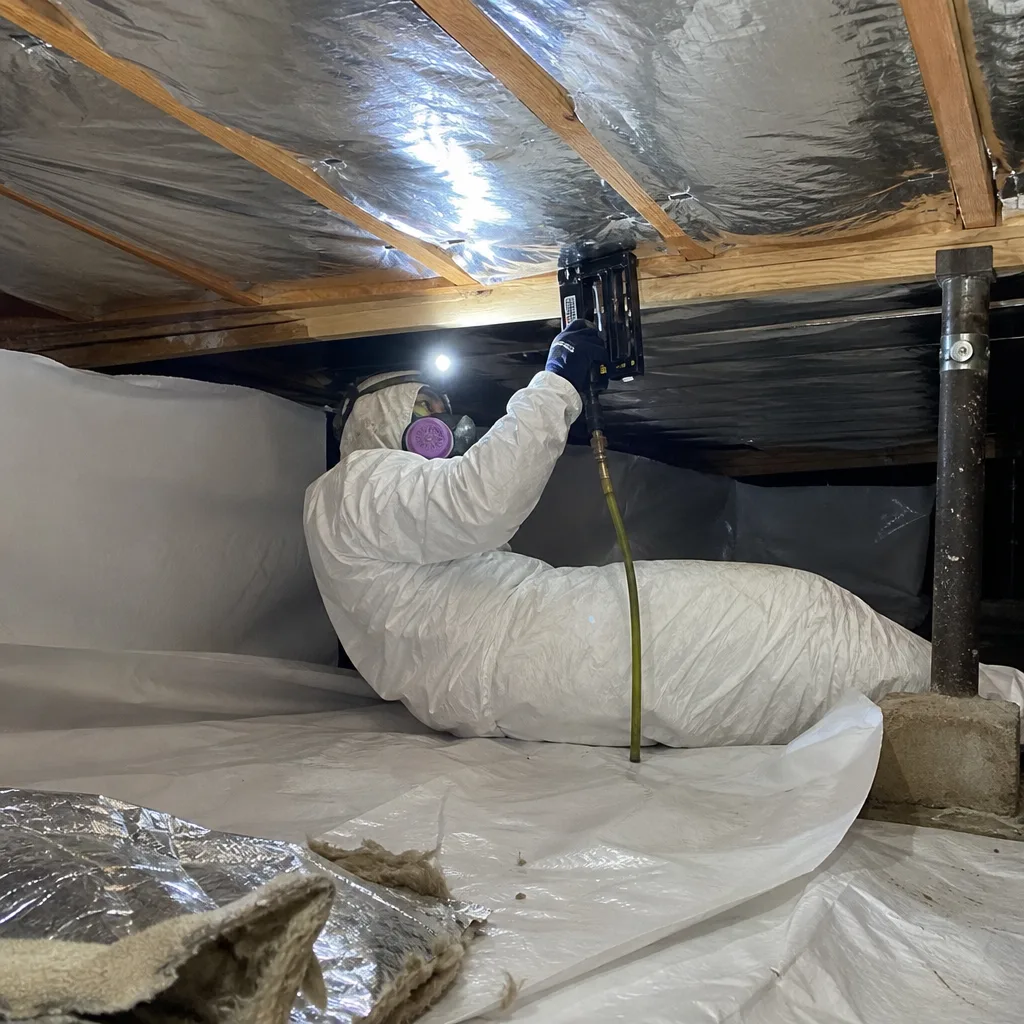
- DIY spray foam in confined spaces. Spray foam application requires respiratory protection, ventilation control, and knowledge of expansion rates. Improperly applied, it can trap moisture, create fire hazards, or produce persistent chemical odors. We use Icynene and Demilec products installed by trained technicians with documented application parameters.
- Accepting a “visual inspection” in place of diagnostic testing. Any contractor who diagnoses your insulation needs from the attic hatch without a blower-door test, infrared camera, or at minimum a detailed visual survey of the entire attic floor is guessing. The Haven Standard requires documented evidence, not impressions.
- Delaying action until visible damage appears. By the time you see water staining, mold, or compressed insulation, the underlying bypass has been active for years. The proxy symptoms - high bills, uneven temperatures, dust - appear first. Addressing them early prevents the visible damage that costs multiples to remediate.
When to Call a Professional
Call when you have documented symptoms that don’t resolve with simple fixes: new HVAC filters, thermostat adjustments, closing vents. If your utility bills are rising, your rooms are uneven, or your home smells musty in specific locations, the envelope is the likely culprit. A professional blower-door test takes under two hours and provides a single number - CFM50 - that quantifies the problem and establishes a baseline for improvement.
Topside Attic Insulation Long Beach offers free estimates in Long Beach. We’ll review your documentation with you, perform diagnostic testing as appropriate, and provide a written price before any work starts. Call (424) 415-7031. A live person answers 24/7 - no voicemail loops, no callback windows measured in business days.
Frequently Asked Questions
Most complete attic jobs in Long Beach - air sealing plus blown-in insulation - run between $2,600 and $7,600, depending on attic size, accessibility, and existing conditions. Air sealing alone typically ranges from $1,200 to $2,800. We provide a written price before any work starts, with no exceptions. Call (424) 415-7031 for a free estimate specific to your home.
Small air-sealing jobs can sometimes be completed same-day if the attic is accessible and the scope is limited. Most full jobs require scheduling because we bring specific materials based on the written scope. The diagnostic visit, including blower-door testing, can usually be completed within two hours, and you’ll receive the written price before we leave. Call (424) 415-7031 to schedule.
It depends on the condition. If insulation is simply compressed or thin, adding blown-in material over it after air sealing is often cost-effective. If insulation is contaminated by rodents, water, or mold, removal and replacement is necessary - adding new material over contaminated old material traps the problem and creates health hazards. We photograph the condition and show you before recommending either approach. Our Free Second Opinion on Any Written Estimate helps you compare options if another contractor has already proposed a scope.
In Long Beach’s climate, a consistently hot room is almost always an air-bypass problem, not an insulation-depth problem. The most common causes are unsealed can lights in the ceiling, gaps at the top plate of interior walls, or duct leakage in the attic serving that room. A blower-door test with infrared imaging locates the exact path. We’ve solved this exact issue in homes from Belmont Shore to North Long Beach, often without adding any insulation at all.
Compare your summer kWh to your winter baseline. If August usage is more than 3 times February usage, envelope leakage is the primary driver - your air conditioner is working against infiltrating attic air. If usage is high year-round with no seasonal spike, the HVAC system itself is suspect. Bring 12 months of bills to your estimate; we’ll read them with you and show you the pattern. Call (424) 415-7031 to schedule.
Every job closes with a Documented Photo Record showing before, during, and after conditions. On applicable jobs, you receive before-and-after blower-door readings in writing - the pressurization measurement that shows, in a single figure, how much air leakage was eliminated. You also receive the written scope and written warranty that were provided before work started. This is Haven Standard: Have it in writing, every time, no exceptions.
The Bottom Line
Insulation warning signs in Long Beach homes rarely announce themselves as insulation problems. They arrive as proxy symptoms: a room that won’t cool, a bill that keeps climbing, dust that returns too quickly, a smell that won’t leave. Learning to read these proxies - and to connect them to their actual building-envelope causes - lets you act before minor bypasses become major remediation. Document what you observe, photograph what you can access, and demand diagnostic evidence from any contractor you consider. The written price, the blower-door number, and the photo record are your protection against guesswork. We’ve sealed and insulated 9,000+ homes since 2016, every one with a written price before work started and a documented record when the crew left. The 365-Day Done Right Promise applies to all completed work. If it’s not done right, we make it right.
Written by Wes Okafor, Owner at Topside Attic Insulation Long Beach, serving Long Beach since 2016.