
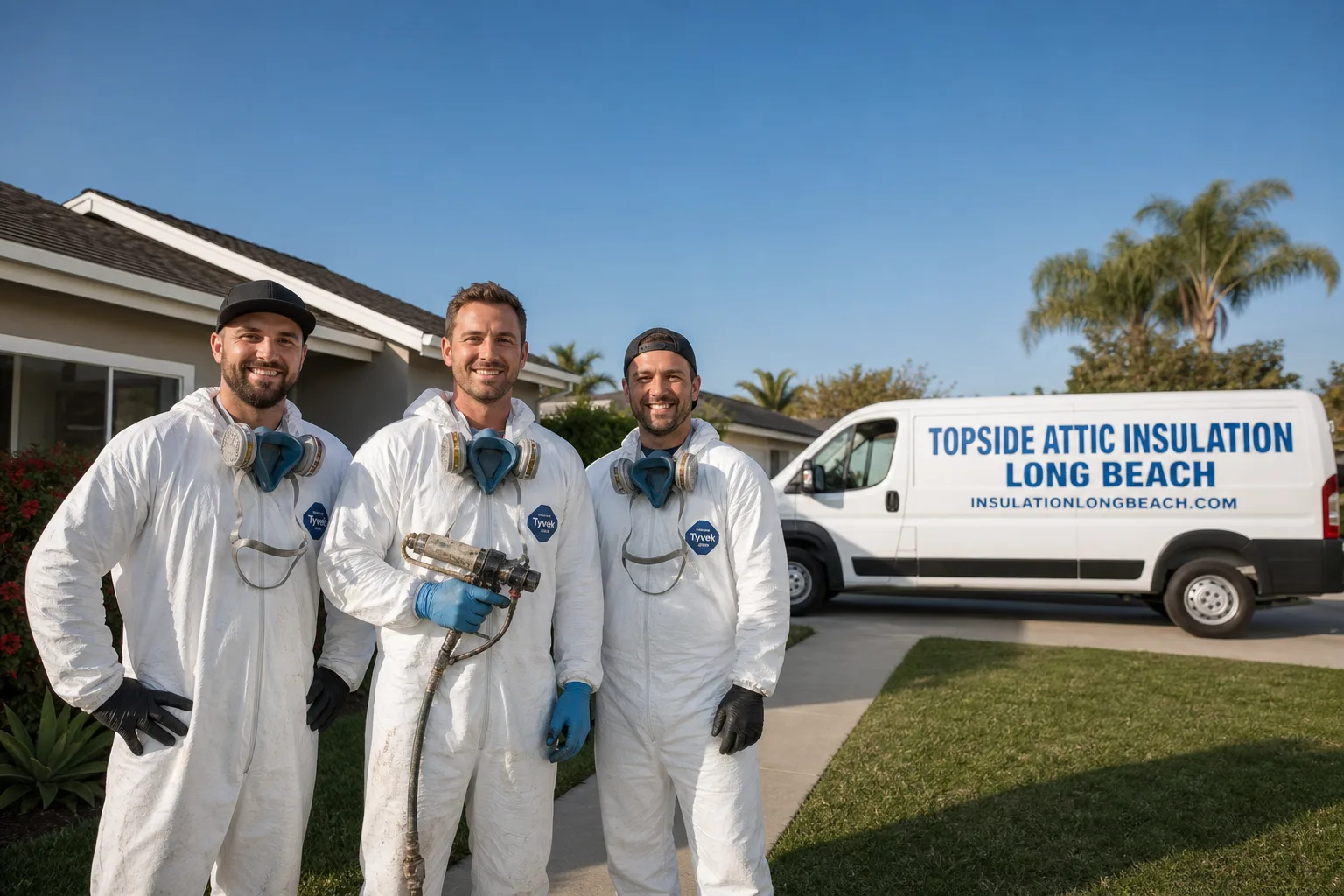
Trusted Wall Insulation for Long Beach Homeowners
According to our Wall Insulation cost guide, a whole-home retrofit in Long Beach typically runs $2,800-$7,500, depending on wall construction, square footage, and whether the home needs air sealing first. Most jobs we complete in Long Beach are finished in one to two days, and we can often start within a week of your written estimate.
We’ve sealed and insulated more than 9,000 homes since 2016, and our Wall Insulation in Long Beach presents a specific challenge: the mild coastal climate masks how much conditioned air leaks through uninsulated exterior walls, especially in pre-1980s construction common in neighborhoods like Belmont Shore, Bixby Knolls, and the Wrigley District. Homeowners notice the problem first as uneven room temperatures, high summer humidity indoors, or Pacific Gas & Electric bills that climb despite moderate thermostat settings. Our crews treat air sealing as a hard prerequisite, not an upsell, because blowing insulation into walls that still leak around top plates, electrical boxes, and plumbing penetrations wastes material and money. Every wall job we complete includes a written price before work starts, a Documented Photo Record, and on applicable projects, before-and-after blower-door numbers so you can verify the performance change. Call (424) 415-7031 to schedule a free estimate. A live person answers 24/7.
What Our Wall Insulation Service Includes
Injection Foam Wall Insulation
Injection foam is a water-based resin that expands to fill wall cavities through small holes drilled from the exterior, then cures into a solid, air-blocking matrix. In Long Beach, we use this method most often on homes with stucco or wood siding built between 1940 and 1980, where the wall cavities are empty but accessible. Our crews first run a blower-door test to locate hidden bypasses, seal top plates and electrical penetrations, then inject foam at calculated pressures to avoid bowing drywall or damaging aging plaster. The result is a wall assembly with both thermal resistance and air tightness, documented with before-and-after pressurization readings.
Drill & Fill Wall Insulation
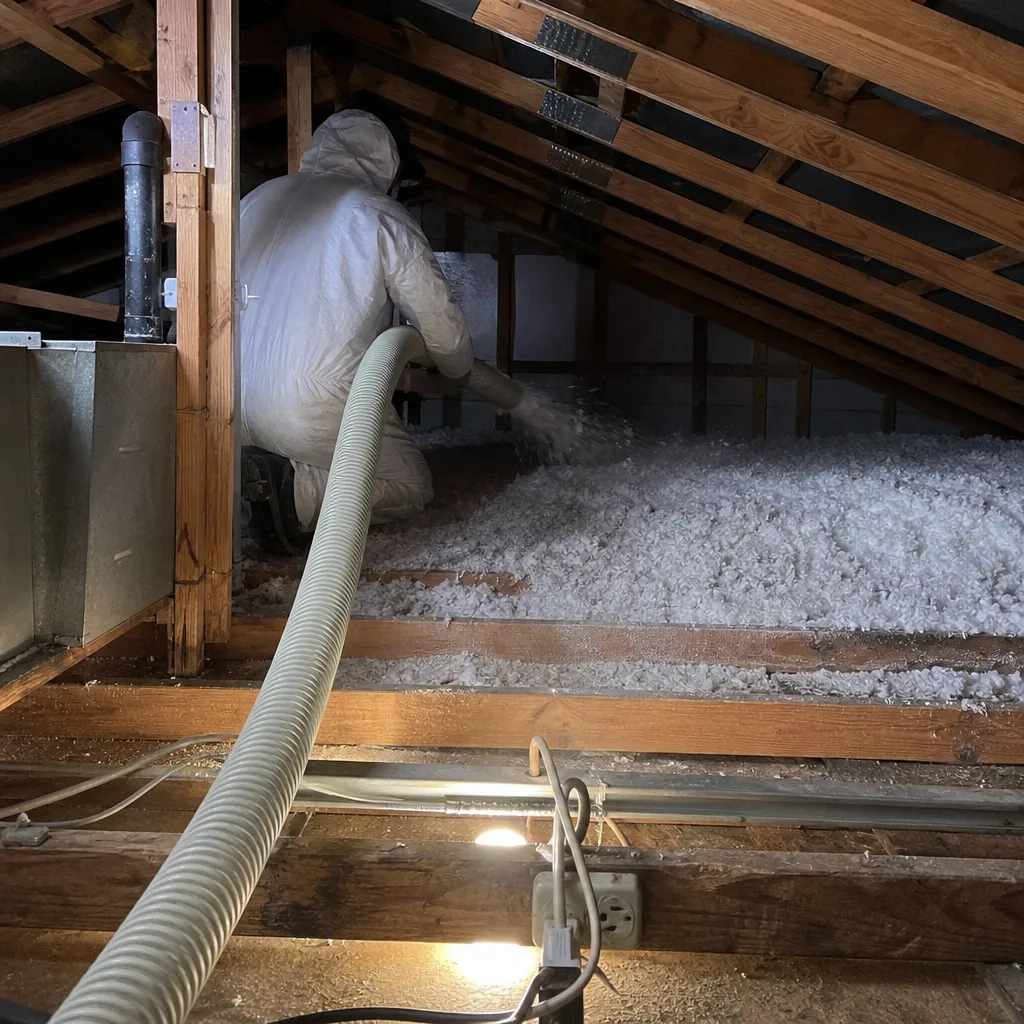
Drill and fill is the method of removing a row of exterior cladding, drilling access holes into each stud bay, and dense-packing cellulose or mineral wool to a settled density that resists settling and convection. We recommend this for Long Beach homes with lap siding or T1-11 where we can match existing materials during repair, particularly in the Craftsman bungalows and mid-century ranches found in California Heights and the Plaza. Our crews use GreenFiber cellulose treated with borate for fire and pest resistance, packed at 3.5 pounds per cubic foot minimum, and we photograph every bay before and after filling. The written scope specifies hole spacing, repair method, and density target before anyone lifts a tool.
Exterior Wall Insulation
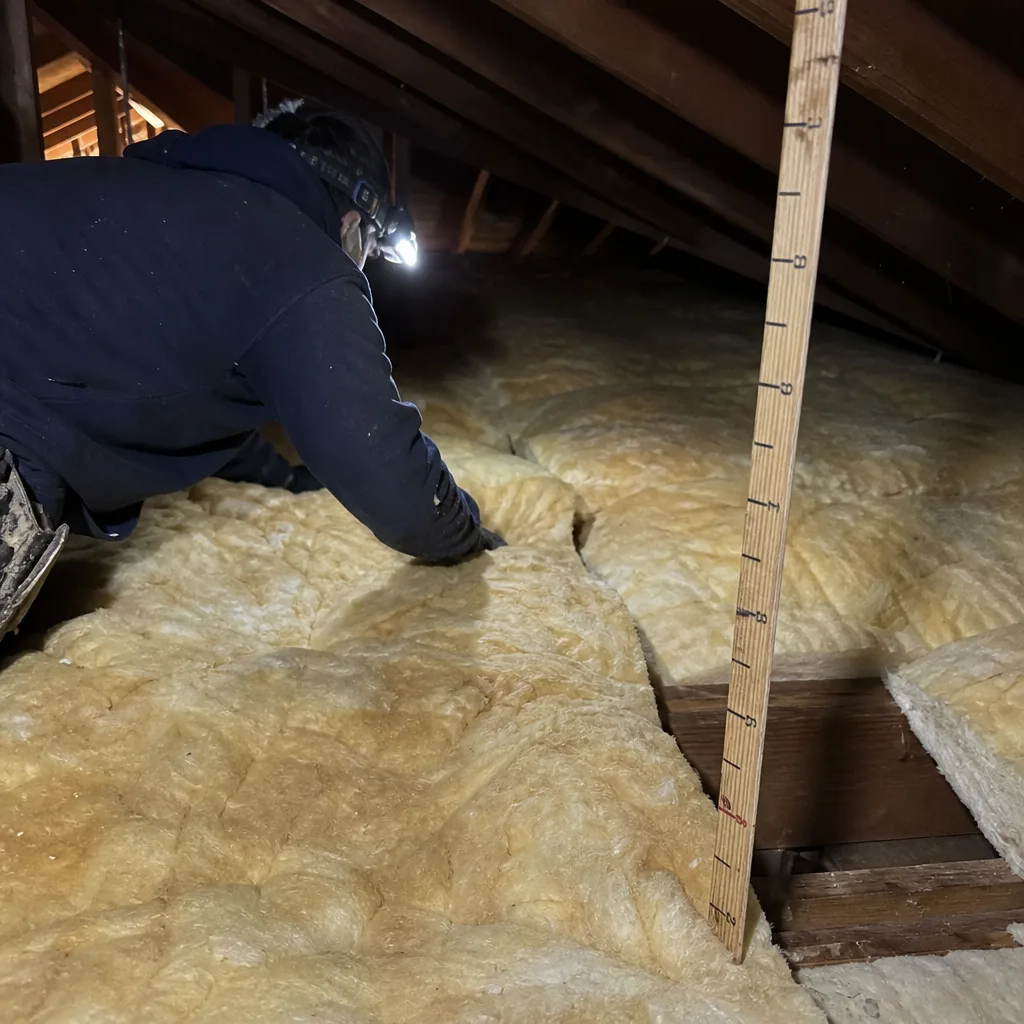
Exterior wall insulation means adding continuous insulation outside the structural sheathing, typically during siding replacement or as a standalone retrofit with new cladding. In Long Beach, this approach makes sense for homes with no cavity to fill, for buildings where interior disruption must be minimized, or where we’re trying to break thermal bridging through studs. We specify Owens Corning Foamular or Rockwool Comfortboard, taped at seams and detailed as a secondary drainage plane, because the marine layer here keeps exterior sheathing damp for months each year. The Haven Standard requires that we document the dew-point analysis and provide the homeowner with the assembly’s calculated R-value and vapor permeance before installation begins.
Interior Wall Soundproofing
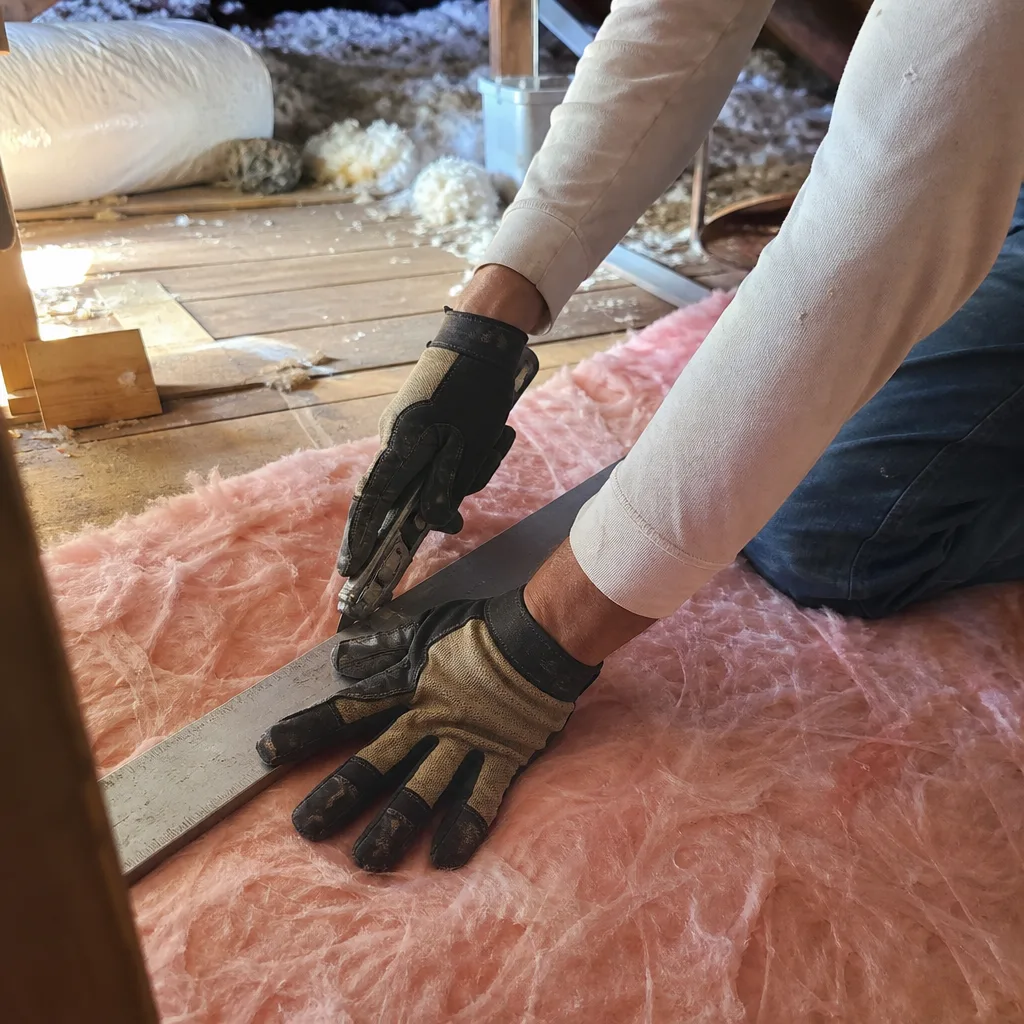
Interior wall soundproofing uses decoupled framing, mass-loaded barriers, or dense-packed mineral wool to reduce airborne and impact noise between rooms. We get called for this in Long Beach’s converted duplexes, ADUs, and homes where a bedroom shares a wall with a living space or laundry room. Our typical assembly adds resilient channel, two layers of drywall with Green Glue damping compound, and Rockwool Safe’n’Sound in the cavity, with STC ratings tested and documented. We also soundproof party walls in condominiums near downtown Long Beach and Alamitos Beach, where the 1920s-era construction transmits conversation and plumbing noise with little resistance.
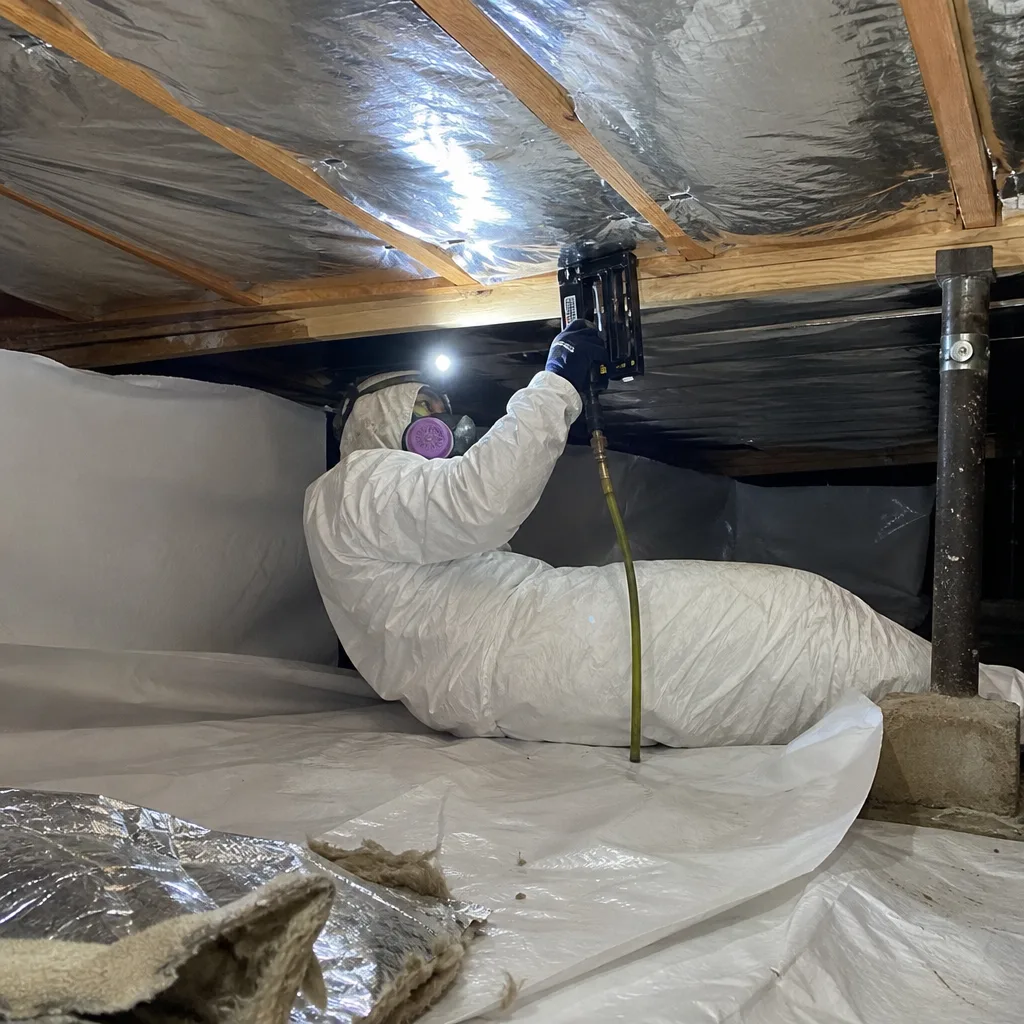
What happens when you call
- 1
A real person answersNo phone trees - you reach a local pro.
- 2
You get an upfront price rangeHonest numbers before anyone is dispatched.
- 3
A background-checked tech heads outLicensed & insured, dispatched right away.
- 4
You approve before work beginsNothing starts until you say go.
Brands We Service for Wall Insulation
We source materials from Owens Corning, Johns Manville, Knauf, Rockwool, CertainTeed, Icynene, Demilec, and GreenFiber, with no proprietary product lock-in that limits what’s specified for your home. Our crews have installed Icynene open-cell spray foam in hundreds of Long Beach wall assemblies, particularly in custom homes and additions where the architect specified a flash-and-batt approach, combining a thin layer of closed-cell foam with batt insulation to manage vapor drive in our coastal climate. We also work regularly with Demilec closed-cell products for exterior wall applications where higher R-value per inch and structural rigidity matter, such as in the raised foundation homes common in Signal Hill-adjacent neighborhoods where floor-to-wall transitions need careful air barrier continuity.
Whether your existing wall contains Owens Corning fiberglass batts that have settled and degraded, or you’re comparing GreenFiber cellulose against Knauf EcoFill for a drill-and-fill retrofit, we can source and install it. Our written scope names the exact product, the installed density or thickness, and the expected performance, so you’re not guessing what went into your walls. If you have a brand preference based on prior research or an engineer’s specification, we’ll price it specifically rather than substitute without discussion.
Signs You Need Wall Insulation Right Now
- Rooms that stay cold in winter or hot in summer despite running the HVAC. In Long Beach, this often shows up in north-facing bedrooms or additions where the original builder skipped exterior wall insulation to save money. The conditioned air leaks out faster than the system can replace it, and the wall surface itself acts as a thermal radiator, pulling heat from your body in winter or pushing it in during September heat waves.
- High electricity bills with no change in usage habits. Southern California Edison and PG&E rate increases have hit Long Beach hard, but if your usage in kWh is stable and the bill still climbs 15% or more year over year, your building envelope is likely the culprit. Uninsulated walls force your heat pump or air conditioner to cycle longer to maintain setpoint, and the compressor draws the most power during those extended run times.
- Drafty walls or outlets that leak air when the wind blows. The Santa Ana winds pressurize Long Beach homes differently than the prevailing onshore flow, and if you feel air movement around electrical outlets, baseboards, or window trim, your walls are communicating directly with the exterior. This means insulation is absent, compromised, or bypassed by unsealed penetrations that render whatever material is present functionally useless.
- Condensation or mold on interior wall surfaces. The marine layer keeps exterior walls cool and damp through June and July; without insulation, the interior surface drops below the dew point of your indoor air, and moisture accumulates. We’ve found this pattern repeatedly in Long Beach bathrooms and kitchens on exterior walls, where cooking and shower humidity meets cold sheathing and creates conditions for Cladosporium and Penicillium growth inside the cavity.
- Your home was built before 1980 and has never had wall insulation upgraded. Pre-energy-code construction in Long Beach typically has empty 2×4 walls or poorly installed batts with compression gaps and thermal bridging through every stud. Even homes that were “insulated” at build often have settled, moisture-compromised, or pest-damaged material that performs at a fraction of its labeled R-value.
Our Wall Insulation Process - Step by Step
- 1
Initial assessment and blower-door test. We arrive on schedule, you get a named technician and a text when they are on the way. The technician walks the exterior and interior, notes wall construction type, siding material, and access constraints, then runs a blower-door test to quantify total envelope leakage and locate dominant leakage paths with a smoke pencil and infrared camera. This gives us a baseline CFM50 reading and identifies whether the walls are even the priority, or whether attic bypasses and crawl space leaks should be addressed first.
- 2
Written price and scope delivered before any work starts. Under Haven Standard Clause 1, you receive a flat price, written scope, and written warranty before anyone lifts a tool. The scope specifies the insulation type, installed R-value or density, air-sealing details, cladding repair method, and the expected blower-door reduction. We also include a Free Second Opinion on any written estimate you’ve already received, read with you line by line if you’d like.
- 3
Air sealing of top plates, penetrations, and bypasses. We never blow insulation over an unsealed wall cavity. Our crews foam or caulk top plates where they meet the attic, seal around electrical boxes and plumbing stacks, and address any chimney chases or balloon framing that connect conditioned space to the attic or crawl space. This step typically reduces the blower-door reading 15-30% before insulation even goes in.
- 4
Insulation installation with density and coverage verification. For injection foam, we monitor expansion pressure and core-sample after cure to verify density. For drill-and-fill, we weigh bags and count holes to confirm the calculated material volume was installed. For exterior rigid foam, we thermal-scan seams and fasteners to identify gaps. Every step is photographed for the Documented Photo Record you receive at project closeout.
- 5
Final blower-door test, documentation, and walkthrough. We rerun the blower door and provide the before-and-after CFM50 reading, the photo record, and the completed warranty. The 365-Day Done Right Promise applies from this date. If the numbers don’t meet the written target, we find the leak and fix it before invoicing.
How Much Does Wall Insulation Cost in Long Beach?
A typical Carson Wall Insulation drill-and-fill cellulose job for a 1,200-square-foot Long Beach ranch with 8-foot ceilings runs $3,200-$4,800, including air sealing of top plates and electrical penetrations, siding repair, and cleanup. Injection foam for the same footprint typically ranges $4,500-$6,200 because material costs are higher and the process requires more specialized equipment. Exterior rigid foam with new siding jumps to $8,500-$14,000 depending on whether we’re stripping old stucco or working over existing sheathing. Interior soundproofing of a single party wall or bedroom partition usually falls between $2,800 and $5,500, driven by whether we need to relocate electrical or plumbing.
Several factors move these numbers. Wall cavity depth matters: 2×4 construction limits R-value regardless of material, while 2×6 walls accept higher-performance batts or thicker foam. Siding type affects repair cost, with matching historic stucco or custom wood lap running higher than standard T1-11 replacement. Access difficulty, such as tight side yards in Belmont Heights or second-story walls requiring scaffolding, adds labor hours. And the condition of existing air barriers, if any, determines how much pre-insulation sealing is required to meet our Haven Standard of sealing first, then insulating.
To avoid overpaying, get at least one competing written estimate and bring it to us for a Free Second Opinion. We’ll read it with you and flag scope gaps, such as missing air sealing, unspecified material densities, or exclusion of siding repair that you’ll pay someone else to fix later. Our estimate includes everything needed to complete the job to the documented performance target, with no change orders for conditions we could have observed during the initial assessment.
Wall Insulation Near Long Beach - Our Service Area
We complete wall insulation projects throughout Long Beach and the surrounding cities, with typical drive times under 30 minutes to Lakewood, Bellflower, Carson, Paramount, Cerritos, Compton, Norwalk, Lynwood, Downey, Lomita, and South Gate. Response for initial estimates is usually within 48 hours, and we schedule wall work to minimize consecutive days of interior or exterior disruption. If you’re comparing contractors across city lines, our Wall Insulation in Lakewood and Wall Insulation in Bellflower pages detail pricing and building-stock specifics for those markets. Wherever your home sits in the 562 or 310, the same Haven Standard applies: written price first, documented result last.
Serving Long Beach, CA - Our Local Coverage Area
We’re based in the Long Beach area and know this community well. Use the map below to see our service coverage - if you’re nearby, we can almost certainly help.
Frequently Asked Questions - Wall Insulation in Long Beach
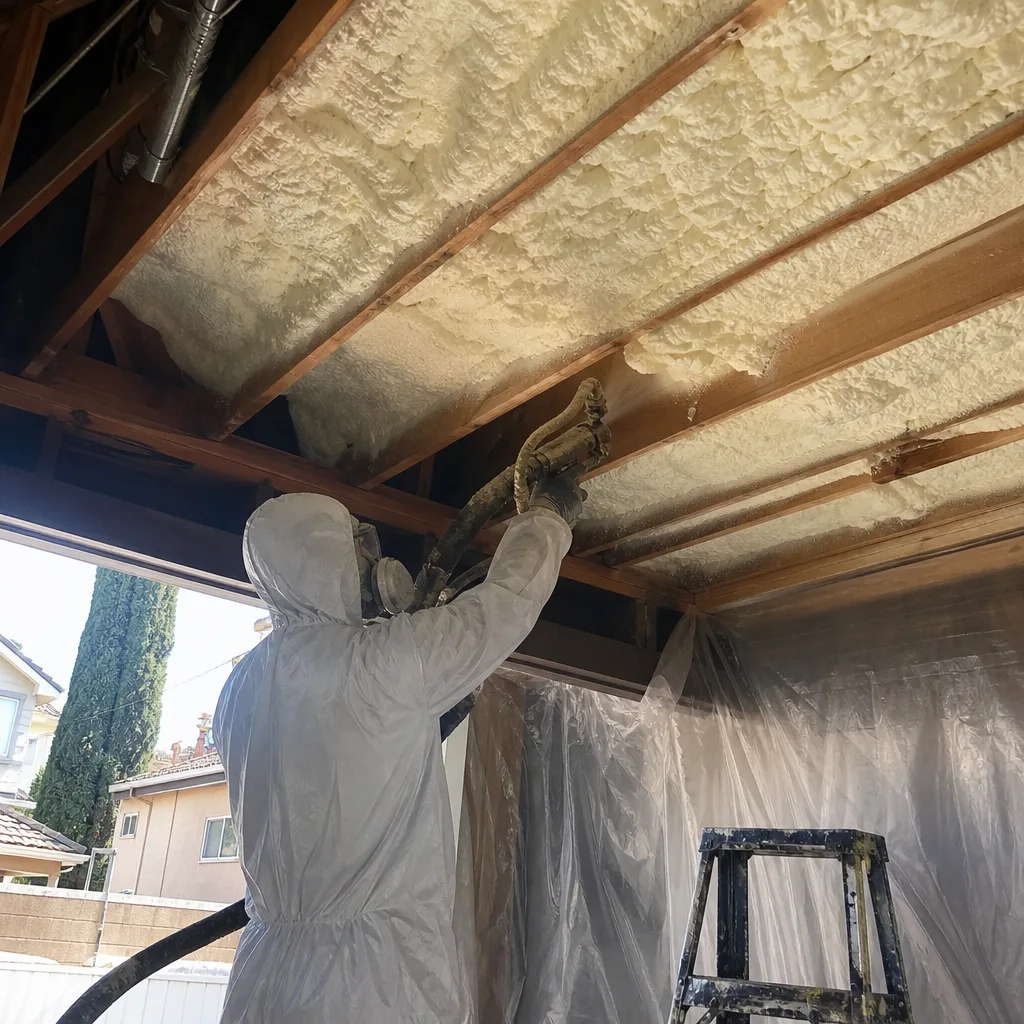
Wall insulation is material installed within or on exterior walls to slow heat transfer and reduce air leakage between conditioned indoor space and the outside. In Long Beach’s climate, it matters most for keeping summer heat and marine-layer humidity out, and for preventing winter heat loss when temperatures drop into the 40s. Effective wall insulation combines thermal resistance, measured in R-value, with air tightness, because air moving through or around insulation destroys its performance regardless of R-value rating.
Most Lakewood Wall Insulation and residential wall insulation jobs in Long Beach are completed in one to two working days. Drill-and-fill cellulose for a single-story home typically takes one day; injection foam or exterior rigid foam may extend to two days for curing, seam taping, and cladding repair. We schedule to minimize consecutive days of disruption and provide a specific start and completion date in the written scope. Call (424) 415-7031 for an exact timeline based on your home’s specifics, estimates are free.
Whole-home wall insulation in Long Beach ranges from $2,800 for a targeted interior soundproofing project to $7,500 or more for a full exterior retrofit with rigid foam and siding replacement. The median project we complete falls between $3,500 and $5,200 for drill-and-fill or injection foam in a 1,000-1,500 square foot home with air sealing included. Your written estimate breaks down material, labor, and any repair work specifically, with no lump-sum mystery. Call (424) 415-7031 for a free estimate with exact numbers for your home.
Yes, we install both Icynene open-cell and Demilec closed-cell spray foam in Long Beach wall assemblies, depending on the vapor-drive management and R-value requirements of the specific project. Icynene works well in flash-and-batt applications where some vapor permeance is desired; Demilec closed-cell provides higher R-value per inch and structural rigidity for limited-cavity depths. We do not claim exclusive or preferred status with either manufacturer, and we’ll specify alternatives if your engineer or energy rater requires them.
We answer calls live 24/7, and we can typically schedule an assessment within 24-48 hours for urgent situations such as exposed walls during a remodel, mold remediation requiring cavity access, or failed insulation discovered during a real estate transaction. Same-week starts are sometimes available depending on crew scheduling and material availability. For true emergencies involving structural damage or active water intrusion, we assess and scope immediately, then coordinate with your other contractors to maintain the critical path.
All completed wall insulation is backed by our 365-Day Done Right Promise, if it’s not done right, we make it right. The written warranty delivered before work starts specifies coverage for material defects, installation errors, and failure to meet the documented blower-door target on applicable jobs. This is Haven Standard: Have it in writing, no exceptions. The warranty transfers to subsequent homeowners if you sell within the coverage period, provided you submit the documentation at closing.
Move furniture and wall hangings at least three feet from exterior walls, and remove or protect items in attics or crawl spaces where our crews will access top plates and penetrations. For interior soundproofing, we need electrical outlet and switch plates removed, and we may ask you to relocate for one night if we’re working in bedrooms with dust-sensitive occupants. We cover floors and seal work zones with plastic sheeting, but the drilling and cutting phases generate noise and vibration that pets and small children may find distressing. Your written scope includes a specific prep checklist tailored to your project type.
Schedule Your Wall Insulation Service in Long Beach Today
Call (424) 415-7031 to speak with a live person, 24/7, and schedule your free written estimate for wall insulation in Long Beach. We’ll run the blower-door test, deliver a flat price with no hidden charges, and if you have a competing quote, we’ll read it with you as a Free Second Opinion. Every job starts with a written scope and ends with a Documented Photo Record, and the 365-Day Done Right Promise applies from day one. No voicemail loops, no callback windows measured in business days, just the Haven Standard: Have it in writing.
Written by Wes Okafor, Owner at Envelope Insulation Co., serving Long Beach since 2016.