
How Much Does Crawl Space Encapsulation & Vapor Barrier Cost in Long Beach?
Crawl Space Encapsulation & Vapor Barrier services in Long Beach, CA typically run between $3,200 and $8,500 for a standard single-family home, with vapor barrier-only installations (without full encapsulation) coming in lower at $1,400 to $3,000. The wide spread reflects real differences in crawl space size, access difficulty, existing moisture damage, and whether drainage correction is needed before the liner goes down.
Most Long Beach homeowners with a 1,200- to 1,800-square-foot crawl space pay somewhere in the $4,000 to $6,200 range for a complete encapsulation job – closed-cell liner, sealed vents, and all penetrations taped and wrapped. Below, you’ll find a full cost breakdown, a look at what moves the price in either direction, and answers to the questions we hear most often on job estimates across the city.
—
Crawl Space Encapsulation & Vapor Barrier Cost Breakdown (2026)
These ranges reflect actual project costs in the Long Beach market as of 2026. Your written estimate from Envelope Insulation Co. will show each line item before any work starts – that’s Haven Standard Clause 1, and it doesn’t change.
| Scope of Work | Typical Long Beach Price Range | Notes |
|---|---|---|
| Vapor barrier only (6-mil poly, basic) | $1,400 - $2,200 | Covers ground surface only; vents and walls left open |
| Vapor barrier (20-mil reinforced liner) | $2,000 - $3,000 | Heavier duty; better tear resistance under regular access |
| Full encapsulation – small crawl (under 1,000 sq ft) | $3,200 - $4,800 | Liner on floor and walls, sealed vents, taped seams |
| Full encapsulation – mid-size (1,000-1,800 sq ft) | $4,500 - $6,500 | Most common size range in Long Beach bungalows and postwar homes |
| Full encapsulation – large (1,800-2,500 sq ft) | $6,200 - $8,500 | Older craftsman-style homes and larger Lakewood-era ranches |
| Crawl space vent sealing (add-on or standalone) | $400 - $900 | Closing foundation vents is part of full encapsulation |
| Drainage matting / dimple board | $600 - $1,400 | Added when standing water or pooling is present |
| Dehumidifier installation (Santa Fe or equivalent) | $1,200 - $2,800 | Recommended when ambient humidity in the space runs above 60% RH |
| Old vapor barrier removal and disposal | $300 - $700 | Required before a new liner can be installed correctly |
| Mold remediation (if present at time of inspection) | $800 - $3,000+ | Scope-dependent; must be completed before encapsulation |
What’s Actually Driving These Numbers
Labor accounts for roughly 40 to 55 percent of a typical crawl space encapsulation job in Long Beach. It’s slow, physical work in tight quarters, and the city has a meaningful share of older housing stock – pre-1970 homes in areas like Wrigley, California Heights, and Bixby Knolls often have crawl space clearances under 24 inches, which slows every part of the installation and raises the labor portion of the estimate.
Materials are the other big lever. A 6-mil poly sheet costs a fraction of what a 20-mil reinforced liner costs, and the difference in performance over five to ten years is significant. We use liners sourced from established manufacturers – the same philosophy we apply to Crawl Space Insulation materials from Owens Corning, Johns Manville, and CertainTeed – because swapping out a failed liner two years from now costs more than the savings at purchase.
Moisture correction work – drainage matting, grading adjustments, or mold remediation – is the single biggest reason a project moves from the middle of the range toward the top. Long Beach’s coastal marine layer keeps ambient humidity elevated much of the year, and crawl spaces in the low-lying areas near the Port and the LA River corridor can accumulate standing water seasonally. If that water source isn’t addressed before the liner goes in, you’re sealing in the problem rather than solving it.
—
What Affects Crawl Space Encapsulation & Vapor Barrier Pricing in Long Beach
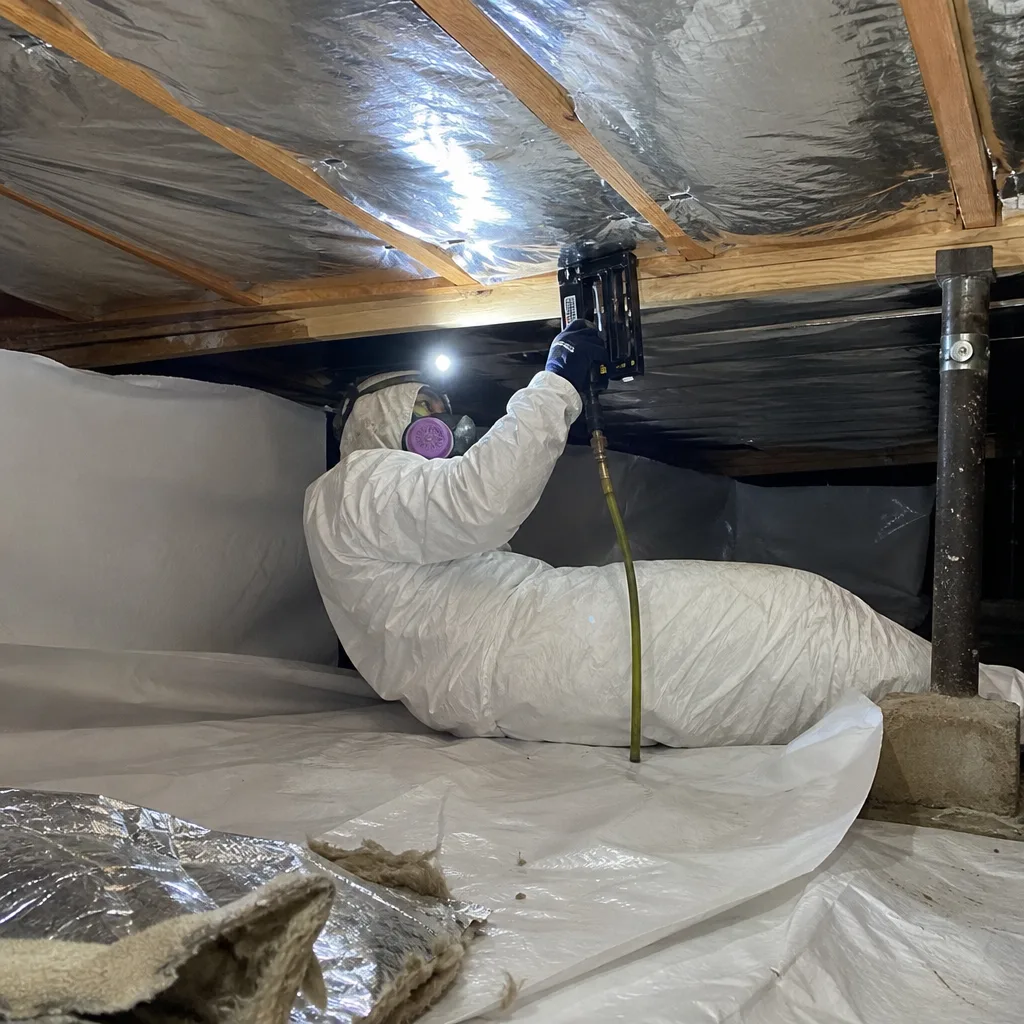
- Crawl space square footage and ceiling height. Pricing scales with the footprint being covered, and clearance height directly affects labor time. Homes in Long Beach neighborhoods like Poly High and North Long Beach built between 1920 and 1950 frequently have crawl spaces where a technician has to work on their elbows the entire time – that adds hours and shows up in the labor line.
- Existing moisture conditions. A dry, clean crawl space with no prior liner is a straightforward job. A crawl space with efflorescence on the foundation walls, evidence of seasonal flooding near Willow Street or the 405/710 interchange area, or a deteriorated old poly sheet means remediation work comes before encapsulation. That remediation is always scoped and priced separately in writing before any crew starts.
- Liner thickness and material grade. The jump from 6-mil to 12-mil to 20-mil liner isn’t just marketing – thicker liners resist puncture from the framing members and debris under the home, seal better at seams, and last longer without developing small tears that allow moisture vapor back in. In a coastal city like Long Beach where salt-laden marine air drives higher baseline humidity, the heavier liner pays back the cost difference.
- Number of penetrations and vents. Every plumbing stack, HVAC duct, and foundation vent is a potential bypass point for humid air. Sealing them properly takes time and specific tape and foam products. A crawl space with 12 foundation vents and multiple duct penetrations will take longer to encapsulate correctly than one with 4 vents and clean runs.
- Access difficulty and site conditions. Some Long Beach lots have side-yard access to the crawl space that allows materials to be moved efficiently. Others require everything to go through the interior of the house, which slows material handling significantly. Homes on corner lots in El Dorado Park or in dense Belmont Shore parcels sometimes present real access constraints that add time to the job.
- Whether a dehumidifier is needed. Not every encapsulated crawl space requires a dedicated dehumidifier, but in Long Beach’s climate – where June through August regularly brings foggy, 75-to-80-percent-relative-humidity mornings – a space that sits below 60% RH without mechanical help is the exception rather than the rule. A properly sized dehumidifier with an automatic drain adds $1,200 to $2,800 to the project, but it’s what makes the liner work as intended rather than just trapping humidity inside a sealed space.
—
Long Beach-Specific Conditions That Shape Crawl Space Jobs
Long Beach sits at the edge of a coastal basin, and that geography creates crawl space conditions that are a bit different from inland Southern California markets. The marine layer that makes summer mornings gray in Belmont Shore and Signal Hill also keeps nighttime low temperatures moderate year-round – which means the temperature differential that drives condensation on cold surfaces is smaller than in Riverside or the Inland Empire, but the ambient relative humidity is higher and more consistent.
What that means practically: Long Beach crawl spaces don’t tend to have the freeze-related issues you see in mountain-adjacent markets, but they do tend to accumulate moisture vapor steadily rather than in dramatic seasonal spikes. A vapor barrier that’s working in Phoenix might be borderline adequate in Long Beach because the baseline vapor pressure difference between the soil and the interior air is narrower and more persistent here.
We also see a higher proportion of older homes in Long Beach than in many comparable Southern California cities. The postwar Lakewood-era neighborhoods east of the 605, the craftsman-era bungalows in the Wrigley district, and the mid-century ranches in Los Altos all have crawl spaces that were built to original code – which meant open foundation vents and no ground cover beyond the soil itself. Those spaces were never designed to manage moisture in the way a conditioned or sealed crawl space can today, and they often have 50 or more years of accumulated soil off-gassing, pest access, and minor water intrusion to address before a liner makes sense.
Long Beach also has specific requirements under California Title 24 that interact with crawl space ventilation decisions. When you close foundation vents as part of encapsulation, the space technically becomes an unvented crawl space under the building code, which has specific requirements around how the space is conditioned or managed. Our written scope documents this and describes what the finished installation will look like relative to applicable code requirements.
—
How to Save on Crawl Space Encapsulation & Vapor Barrier
Get the scope right before you get the price
The most common way homeowners overspend on crawl space work is by agreeing to a scope before understanding what’s actually needed. Some contractors quote a vapor barrier job, which is less expensive up front, when the moisture conditions in the space call for full encapsulation. Others quote full encapsulation when a vapor barrier and vent sealing would solve the problem. Neither path works well for you financially. A written scope with a floor inspection – a Documented Photo Record included on every visit is standard here – tells you exactly what the crawl space looks like and why each line item is in the estimate.
Address moisture sources first, not last
If there’s a drainage issue, a plumbing slow drip, or a grading problem directing surface water toward the foundation, fixing that before encapsulation prevents you from paying for the liner twice. Encapsulation over an active moisture source will degrade the liner and eventually grow mold on the interior side of it. Spending $400 to $800 correcting a drainage issue now can save you a full liner replacement in four years.
Don’t skip the dehumidifier in Long Beach’s climate
This sounds counterintuitive as a cost-saving tip, but adding a properly sized dehumidifier at the time of encapsulation is almost always less expensive than adding one later – because the installation work overlaps. If you encapsulate now and find six months later that the space is running at 68% RH, you’re paying for another mobilization and potentially some re-work on the liner to route the condensate drain. Do it in one visit.
Use the Free Second Opinion offer before you sign anything
Envelope Insulation Co. offers a free second opinion on any written estimate you’ve received from another contractor. Bring us the competing quote and we’ll go through it line by line with you – not to tear it down, but to help you understand what you’re being asked to pay for and whether the scope matches your crawl space’s actual conditions. That conversation is free and there’s no obligation attached to it. Call (424) 415-7031 to set it up.
Look at available rebates and financing
Southern California Gas Company and some local utility programs have offered rebates on home energy improvement projects that include crawl space work when it’s tied to a broader energy efficiency scope. These programs change frequently, so we check current availability at the time of each estimate rather than publishing numbers that may be outdated. Ask specifically when you call – we’ll tell you what’s active in Long Beach at that moment.
Schedule during off-peak months
Crawl space work in Long Beach doesn’t have a dramatic seasonal demand spike the way roofing does in storm states, but late fall and early winter – November through January – tend to have more availability and sometimes better scheduling flexibility than the spring and summer months when homeowners are actively discovering moisture issues. If your crawl space situation isn’t urgent, there’s value in scheduling strategically.
—
Crawl Space Encapsulation vs. Vapor Barrier: Which One Does Long Beach Actually Need?
These terms get used interchangeably in marketing copy, but they describe different scopes of work at different price points.
A vapor barrier is a plastic sheet – typically 6-mil to 20-mil polyethylene – laid on the soil floor of the crawl space. It blocks moisture vapor rising from the ground into the space above. The foundation walls stay open, the vents stay open, and outside air can still circulate through. In a very dry climate with stable soil conditions, this is sometimes adequate. In Long Beach, where ambient outdoor humidity is already elevated and the marine layer keeps nighttime moisture consistently high, a vapor barrier alone slows the moisture load but doesn’t stop it.
Full encapsulation treats the crawl space as a sealed system. The liner covers the floor and runs up the foundation walls, all penetrations are sealed with appropriate tape and foam, and foundation vents are closed and sealed. The space is now isolated from outdoor air and manages its own moisture load – usually with a mechanical dehumidifier maintaining relative humidity below 55 to 60 percent. In Long Beach’s climate, and particularly in neighborhoods closer to the coast like Belmont Shore, Naples, and the marina district, encapsulation is the option that actually solves the problem rather than reducing it.
Our Crawl Space Encapsulation & Vapor Barrier in Long Beach service page goes into more depth on how we assess which scope is appropriate for a given home, including what we look at during the initial inspection to make that call.
—
What the Installation Process Looks Like
Knowing what’s going to happen before a crew arrives is something the homeowners we work with consistently say they value. So here’s what a standard encapsulation job looks like from inspection to close.
Step 1 – Inspection and written scope. A technician enters the crawl space, photographs the existing conditions (ground cover, foundation walls, existing vapor barrier if any, visible moisture indicators, vent locations, penetrations), and measures the footprint. You get a written price and scope before anything else happens. Haven Standard Clause 1 isn’t a policy we apply selectively.
Step 2 – Prep work. Any existing deteriorated liner comes out first. Debris is removed. If there’s standing water or significant mold, remediation is completed and signed off before liner installation begins. This step is why photos matter – they document what was found and what was corrected.
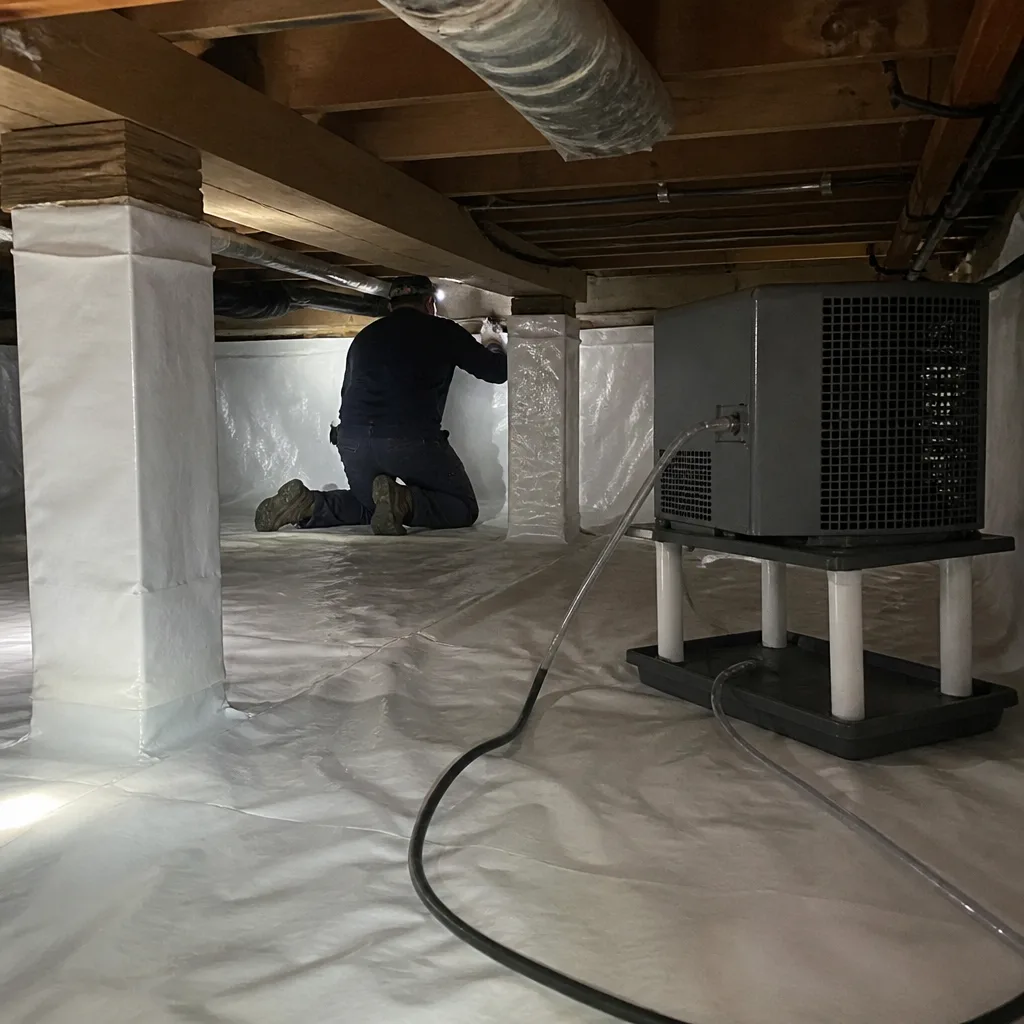
Step 3 – Liner installation. The ground liner goes down first, overlapped at seams and taped. The liner then runs up the foundation walls and is mechanically fastened and taped at the top. Columns, piers, and any protrusions get wrapped individually. Every penetration – plumbing, HVAC, electrical conduit – is sealed with compatible tape and spray foam where needed.
Step 4 – Vent sealing. Foundation vents are sealed from the interior with rigid foam and tape. This is what converts the space from a vented to an unvented crawl space under California code, and it’s why the scope document addresses the code requirements explicitly.
Step 5 – Dehumidifier installation (if included in scope). The unit is positioned, the condensate line is run to a suitable drain point, and the unit is set to the target relative humidity. We note the initial RH reading at the time of installation in the job record.
Step 6 – Documented Photo Record and close-out. Final photos of the completed installation, the sealed vents, the taped seams, and the dehumidifier installation are compiled and provided to you. You’ll have a clear visual record of what the finished installation looks like – not because something might go wrong, but because that’s what leaving looks like under the Haven Standard.
—
FAQs – Crawl Space Encapsulation & Vapor Barrier Cost in Long Beach
How much does crawl space encapsulation cost in Long Beach, CA?
Full crawl space encapsulation in Long Beach typically costs between $3,200 and $8,500, with most mid-size homes in the 1,000- to 1,800-square-foot crawl space range landing between $4,500 and $6,500. Vapor barrier-only jobs (ground cover without sealing walls or vents) run $1,400 to $3,000 depending on liner grade and crawl space size. Call (424) 415-7031 for a free, written estimate specific to your home’s crawl space – no obligation and no work starts without a flat price in writing.
Is it worth doing full encapsulation or just a vapor barrier?
In Long Beach specifically, full encapsulation produces better long-term results for most homes because the coastal marine layer keeps ambient outdoor humidity high year-round. A vapor barrier slows moisture vapor transmission from the soil but leaves the foundation walls and vents as open pathways for humid outdoor air – which in a coastal California climate is a continuous source. Encapsulation closes all of those pathways and, when paired with a properly sized dehumidifier, keeps relative humidity in the crawl space at or below 55 to 60 percent. The cost difference between a vapor barrier and full encapsulation is real, but so is the performance difference. Ask us to show you both line items in writing and you can make the call with the actual numbers in front of you.
How long does crawl space encapsulation last?
A 20-mil reinforced liner installed correctly – with sealed seams, mechanically fastened wall sections, and all penetrations taped – typically lasts 15 to 25 years before requiring replacement or significant repair. A 6-mil vapor barrier in a crawl space with regular foot traffic (for HVAC service, plumbing access, etc.) may show damage within 5 to 8 years. The liner spec matters, and it’s always listed explicitly in our written scope so you know exactly what material is going down before work starts.
Does Long Beach require a permit for crawl space encapsulation?
Vapor barrier-only installations typically do not require a building permit in Long Beach. Full encapsulation that involves sealing foundation vents can trigger permit requirements under California’s Title 24 building energy standards, because closing vents converts a vented crawl space to an unvented one – a code-recognized change that comes with specific requirements around how the space is conditioned. Whether a permit applies depends on the specific scope of work and the home’s configuration. Our written scope identifies this and describes how the finished installation addresses the applicable requirements. If a permit is required for your job, that’s documented in writing before work begins.
How long does the installation take?
Most crawl space encapsulation jobs in Long Beach take one to two days depending on crawl space size, access conditions, and whether prep work (old liner removal, mold remediation) is required. Vapor barrier-only installations on accessible crawl spaces under 1,200 square feet can sometimes be completed in a single day. Larger spaces or those with significant prep requirements – which we see fairly often in the older housing stock in Wrigley and North Long Beach – typically run two days. Your written scope will include an expected timeline before any work starts.
What’s the difference between encapsulation and waterproofing?
Crawl space encapsulation manages moisture vapor – the humidity that rises from the soil and infiltrates through the foundation walls. It is not the same as waterproofing, which addresses liquid water intrusion through foundation walls or floor slabs. If your crawl space has standing water during or after rain events, that’s a drainage or waterproofing problem that needs to be addressed before encapsulation makes sense. Installing a liner over an active water intrusion point will trap water under the liner and accelerate the conditions it was meant to prevent. Our inspection process is designed specifically to identify which condition you’re dealing with – and the written scope will tell you clearly what’s being addressed and what falls outside the encapsulation scope.
—
Why Envelope Insulation Co. for This Work in Long Beach
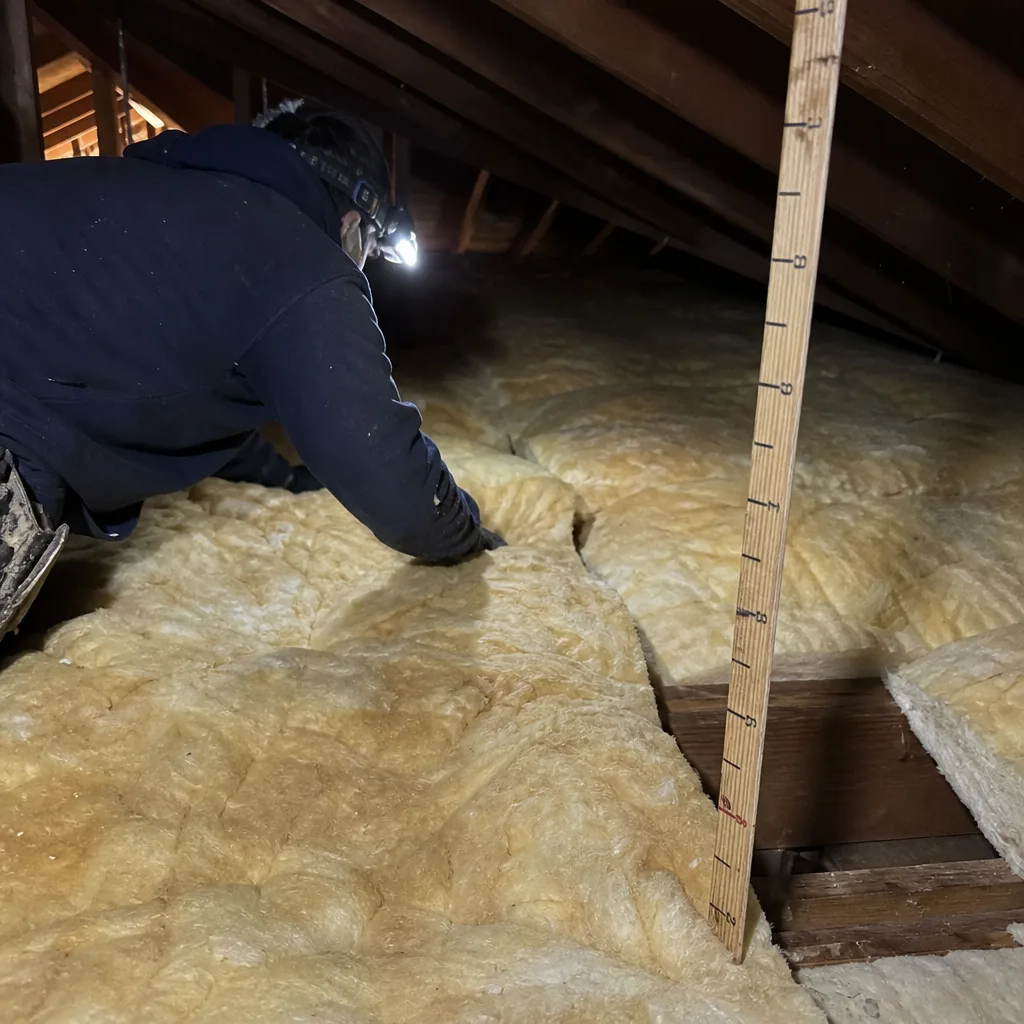
Envelope Insulation Co. has been independently owned and operated under the Haven Standard since 2016, and in that time the team led by Wes Okafor has completed work on more than 9,000 homes across the region – every one of them starting with a written price and ending with a documented photo record.
For crawl space work specifically, the approach is the same as it is for every other part of the building envelope: inspect first, document what’s there, write the scope, price it flat, and don’t start until the homeowner has seen the number. That’s not a customer service positioning statement. It’s just how the process works.
Wes Okafor built the Haven Standard around the premise that a homeowner who knows exactly what they’re getting before a crew arrives makes a better decision – and ends up with a better result – than one who finds out at the invoice stage. The 365-Day Done Right Promise applies to crawl space encapsulation the same way it applies to every other service: if it’s not done right, we make it right, and the written warranty that comes with every completed job is the mechanism for that, not a handshake.
If you have a written estimate from another contractor and want a second set of eyes on it, the free second opinion offer is real – call (424) 415-7031 and we’ll go through it with you. No pressure, no obligation, just a line-by-line read so you know what you’re looking at. And if you’re starting from scratch on figuring out what your Long Beach home’s crawl space needs, the same number gets you to a live person who can schedule an inspection.
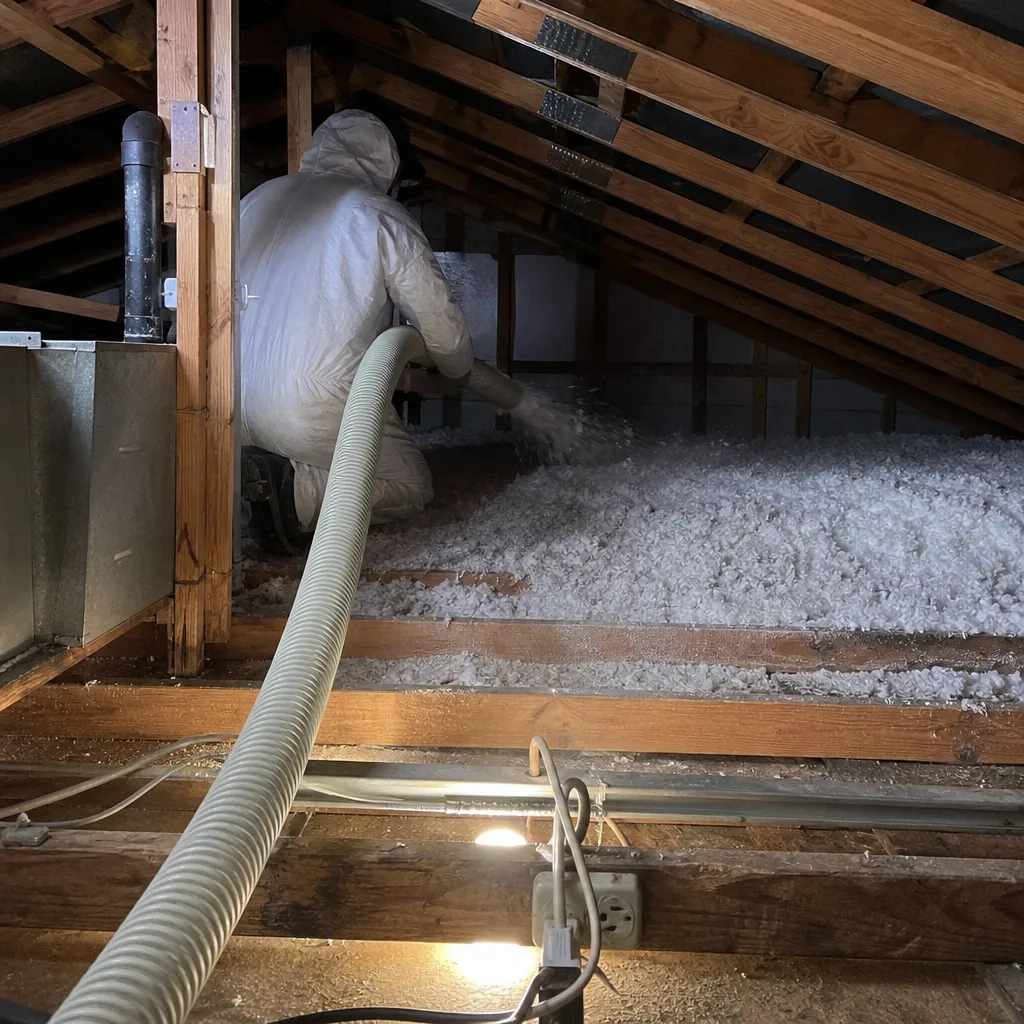
The broader context for crawl space work – how it fits into your home’s overall building envelope performance, how it interacts with insulation above it in the floor joists, and what the home energy picture looks like when both are addressed together – is something we can walk through on any job. Moisture management and thermal performance are related problems, and solving them in sequence (encapsulate first, then address floor insulation above) gets you further than treating them separately.
—
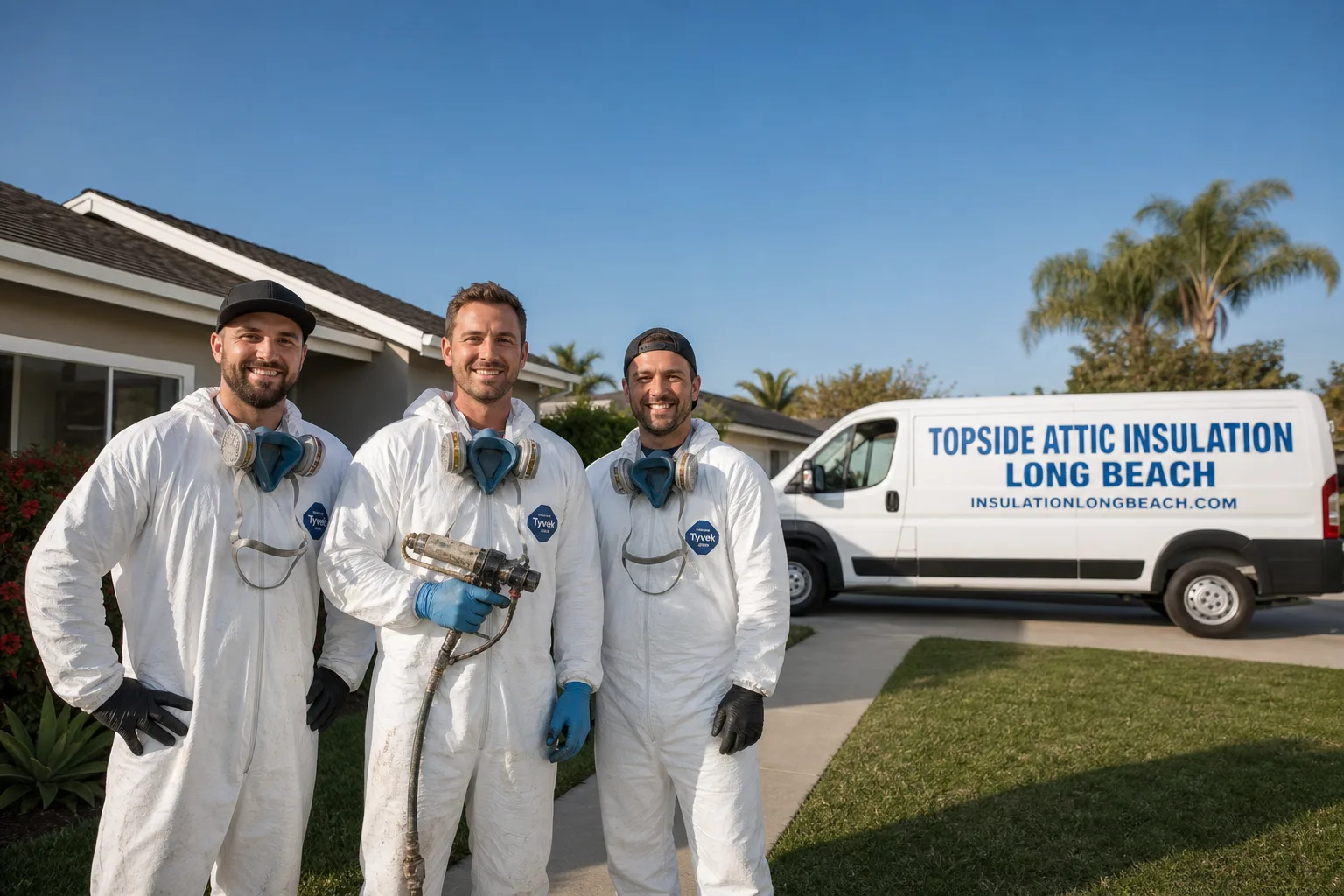
Written by Wes Okafor, Owner at Envelope Insulation Co. (operating as Topside Attic Insulation Long Beach), serving Long Beach, CA since 2016.
Pricing reflects the Long Beach market as of 2026. Topside Attic Insulation Long Beach offers free estimates – call (424) 415-7031.
What Our Customers Say
"Crawl space encapsulation done properly. Photographs of the vapour barrier at every seam, and the damp smell in the hallway is gone."
- Ainsley P."Two other companies quoted to blow more insulation on top of what was there. These were the only ones who said the existing material had to come out first, and explained why."
- Clifford E."They photographed rodent damage in the old insulation that we had no idea about, and priced the exclusion work separately so we could decide."
- Harriet N.