
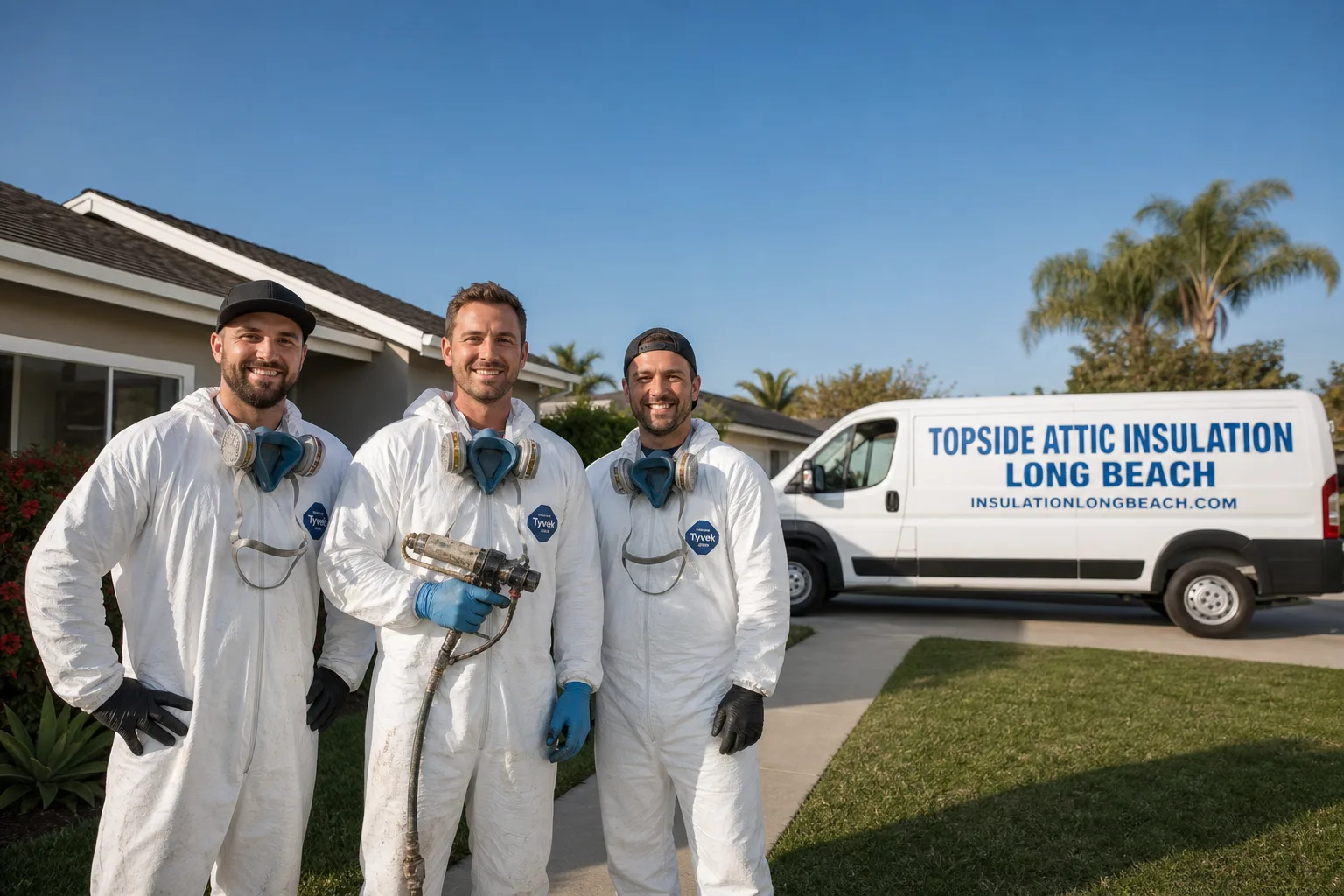
How Much Does a Home Energy Audit Cost in Long Beach?
A Home Energy Audit in Long Beach, CA typically costs between $250 and $650 for a standard diagnostic visit that includes a blower-door test, thermal imaging, and a written report. Homes larger than 2,500 square feet, older construction in neighborhoods like Wrigley or California Heights, or properties with crawl spaces and multiple HVAC zones can push the total to $800 or higher. Most Long Beach homeowners who schedule a full diagnostic audit walk away with a prioritized list of improvements and, in many cases, qualify for rebate programs through Southern California Edison or SoCalGas that can offset a meaningful portion of what they paid.
Home Energy Audit Cost Breakdown (2026)
The price you pay depends heavily on which type of audit you’re getting. A utility company walkthrough is not the same thing as a building-science audit with instrumented testing. Here is how the main service tiers break down in the Long Beach market as of 2026:
| Audit Type | What’s Included | Typical Cost (Long Beach) |
|---|---|---|
| Utility-Sponsored Walkthrough | Visual inspection only; no instrumented testing; basic checklist | $0 – $75 (often subsidized by SCE or SoCalGas) |
| Level 1 Energy Assessment | Visual inspection, utility bill analysis, basic recommendations | $150 – $275 |
| Level 2 Diagnostic Audit (most common) | Blower-door test, thermal imaging camera scan, combustion safety check, written report with prioritized recommendations | $300 – $550 |
| Level 3 / Whole-Home Comprehensive Audit | All Level 2 items plus duct leakage testing (duct blaster), HVAC performance analysis, envelope modeling, rebate documentation | $500 – $850 |
| Attic-Focused Diagnostic Visit | Blower-door test, attic inspection, air sealing assessment, insulation depth measurement, before-and-after documentation | $200 – $400 |
| Add-On: Duct Blaster Test | Pressurizes the duct system to measure leakage to outside and to conditioned space | $100 – $175 added to base |
| Add-On: Combustion Safety Testing | Carbon monoxide and spillage testing at all gas appliances | $75 – $125 added to base |
A few things worth understanding about where you land in these ranges. The Long Beach housing stock is unusually mixed: you have 1920s Craftsman bungalows in Belmont Heights with balloon-frame wall cavities, post-war ranch homes in Los Cerritos, and newer construction near the Douglas Park redevelopment that may have never had a proper commissioning test. Older homes take longer to audit because the auditor is tracing air pathways through construction methods that were never designed with energy performance in mind. A 1940 bungalow in the Rose Park neighborhood with an unconditioned attic, original single-pane windows, and no vapor barrier in the crawl space will take two to three hours on site – the upper end of a Level 2 audit range. A 2010 townhome in Bixby Knolls with a sealed slab, newer HVAC, and an HOA that already handled window upgrades might take 90 minutes and land toward the lower end.
The report itself is part of what you’re paying for. A real audit closes with a written document that names the blower-door reading (expressed in CFM50 – cubic feet per minute at 50 pascals of pressure), the thermal images showing air infiltration and insulation gaps, and a prioritized repair list with estimated improvement for each item. If you receive a PDF with no measured numbers in it, you received a walkthrough, not an audit.
At Envelope Insulation Co., every applicable job includes before-and-after blower-door numbers so you can see, in a single figure, what the air sealing actually changed. That’s not a marketing phrase – it’s a measurement. Under our Home Energy Audit service in Long Beach, the written price arrives before any work begins, and the documented photo record stays with the job file when we leave. That’s the Haven Standard, and it applies without exception.
What Affects Home Energy Audit Pricing in Long Beach
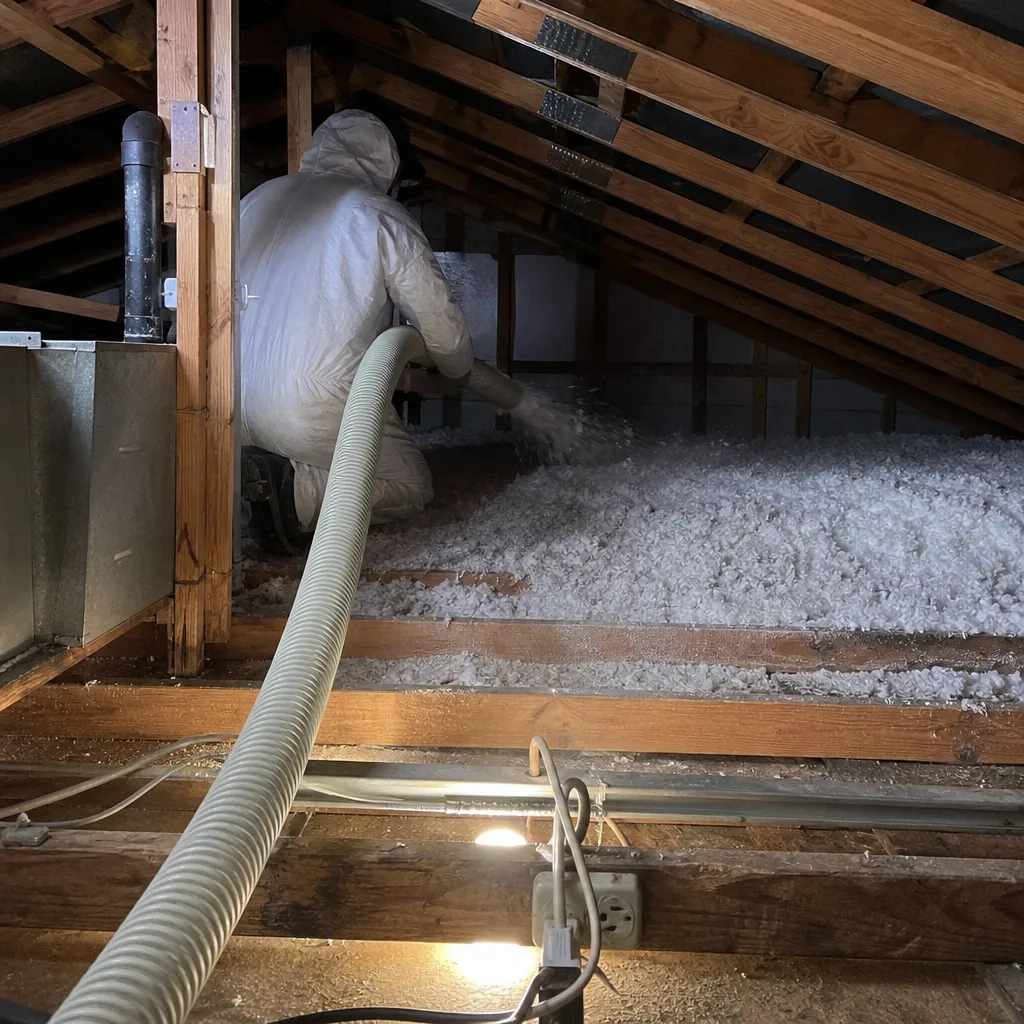
- Home size and age: Square footage is the most direct cost driver – more conditioned space means more surfaces to test and more time on site. Age compounds this: a 1,900-square-foot home built in 1935 in Alamitos Heights has significantly more infiltration pathways (floor penetrations, balloon-frame walls, uninsulated rim joists) than the same square footage built in 1995. Auditors charge for time, and older Long Beach homes take more of it.
- Foundation type: Long Beach has a high proportion of homes with raised foundations and unconditioned crawl spaces, particularly in neighborhoods like Wrigley and North Long Beach. A crawl space adds 30 to 60 minutes to an audit because the technician needs to get underneath the building to check vapor barriers, duct condition, floor insulation, and moisture intrusion. Slab-on-grade homes skip that step entirely.
- Number of HVAC systems and zones: A single-story home with one ducted system is straightforward. A two-story home in Belmont Shore with a mini-split on the ground floor, a ducted gas furnace upstairs, and a separate package unit for a converted garage is three separate systems to assess. Each duct blaster test is priced as an add-on, so multi-zone homes cost more to audit properly.
- Instrumented testing requested: The blower-door test and thermal imaging camera are standard in any Level 2 audit. Adding a duct blaster test, a combustion safety protocol with carbon monoxide measurement at all gas appliances, or a formal Home Energy Rating System (HERS) rating – which some rebate programs and renovation loans require – adds cost. HERS ratings in the Long Beach area typically add $200 to $400 to the base audit price because they require a rater certified under California Title 24 standards.
- Rebate documentation requirements: Southern California Edison’s Residential Energy Efficiency Program and SoCalGas both offer rebates on insulation, HVAC, and air sealing work, but they require the audit to be performed by an eligible contractor and documented in a specific format. If you need that documentation package, the audit takes longer to produce and may cost $50 to $100 more than a straight diagnostic visit. That said, the rebates available in Long Beach can reach $1,000 or more on qualifying upgrades, so the documentation cost is almost always worth paying.
- Long Beach’s coastal climate zone: Long Beach sits in California Climate Zone 8, which is mild enough that heating loads are modest for most of the year. However, the marine layer means humidity is a real factor in crawl spaces and attics, and the urban heat island effect in inland Long Beach neighborhoods like North Long Beach and Lakewood Village can push cooling loads significantly higher than a coastal climate might suggest. A thorough auditor prices in the time to assess moisture-related issues in addition to thermal performance – that’s appropriate for this market and not padding the bill.
How to Save on a Home Energy Audit in Long Beach
The most direct way to reduce what you pay out of pocket is to find out whether you qualify for a subsidized or free utility-sponsored audit before you hire anyone. Southern California Edison and SoCalGas both run income-qualified and market-rate audit programs. SCE’s Energy Education Center in Irwindale offers resources, and SoCalGas has a Home Energy Checkup program that qualifies many Long Beach residents for a reduced-cost visit. If your household income falls below certain thresholds, you may qualify for the HEEHRA (High-Efficiency Electric Home Rebate Act) funds that California is administering through the California Energy Commission – those programs can cover the audit cost entirely in some cases.
If you’re not income-qualified for free programs, the next best move is to bundle. An audit that is performed immediately before insulation or air sealing work by the same contractor is almost always cheaper than two separate visits. When Wes Okafor and the Envelope Insulation Co. team come to a Long Beach home for a pre-work assessment, the diagnostic cost is frequently rolled into the project rather than invoiced separately, because the technician is already on site taking the measurements needed to build the written scope anyway. That’s the practical benefit of working with a contractor who treats the audit as the foundation of the job rather than as an upsell.
A few other ways to reduce your audit cost in Long Beach:
- Pull your last 24 months of utility bills before the appointment. Most auditors spend 20 to 30 minutes collecting billing data during the visit. Handing them a spreadsheet or printed history from SCE/SoCalGas’s MyAccount portal saves time and, with some contractors, reduces the hourly bill.
- Know what you want tested. If your concern is attic heat and your utility bills spike in August, say so. A focused attic diagnostic costs less than a full Level 3 whole-home audit. You can always commission additional testing later.
- Ask about rebate eligibility before you book. Some contractors handle rebate paperwork; some don’t. If the upgrades you’re considering qualify for a $500 SCE rebate on insulation, you want the audit report formatted to support that claim from the start, not retrofitted after the fact.
- Get a second opinion on any written estimate. Envelope Insulation Co. offers a free second opinion on any written estimate – bring us a competing quote and we’ll read through it with you. That applies to audit proposals, not just insulation bids. Call (424) 415-7031 to set that up at no cost.
- Schedule during off-peak months. Long Beach’s audit and insulation market gets busy from April through October. Contractors booked solid in July are often available with shorter lead times in November through February, and some offer modest scheduling incentives during those windows.
What saving money on the audit should not mean: skipping the blower-door test to cut $100 off the bill. The blower-door reading is the only objective measurement in the whole process. Without it, you’re paying for someone’s opinion about your home’s air leakage rather than a number you can verify. If a contractor quotes you an audit with no mention of a blower-door test, that’s the signal to ask directly whether they own a door-mounted fan and manometer, and what they’ll put in writing if they don’t test.
What You Should Receive at the End of a Home Energy Audit
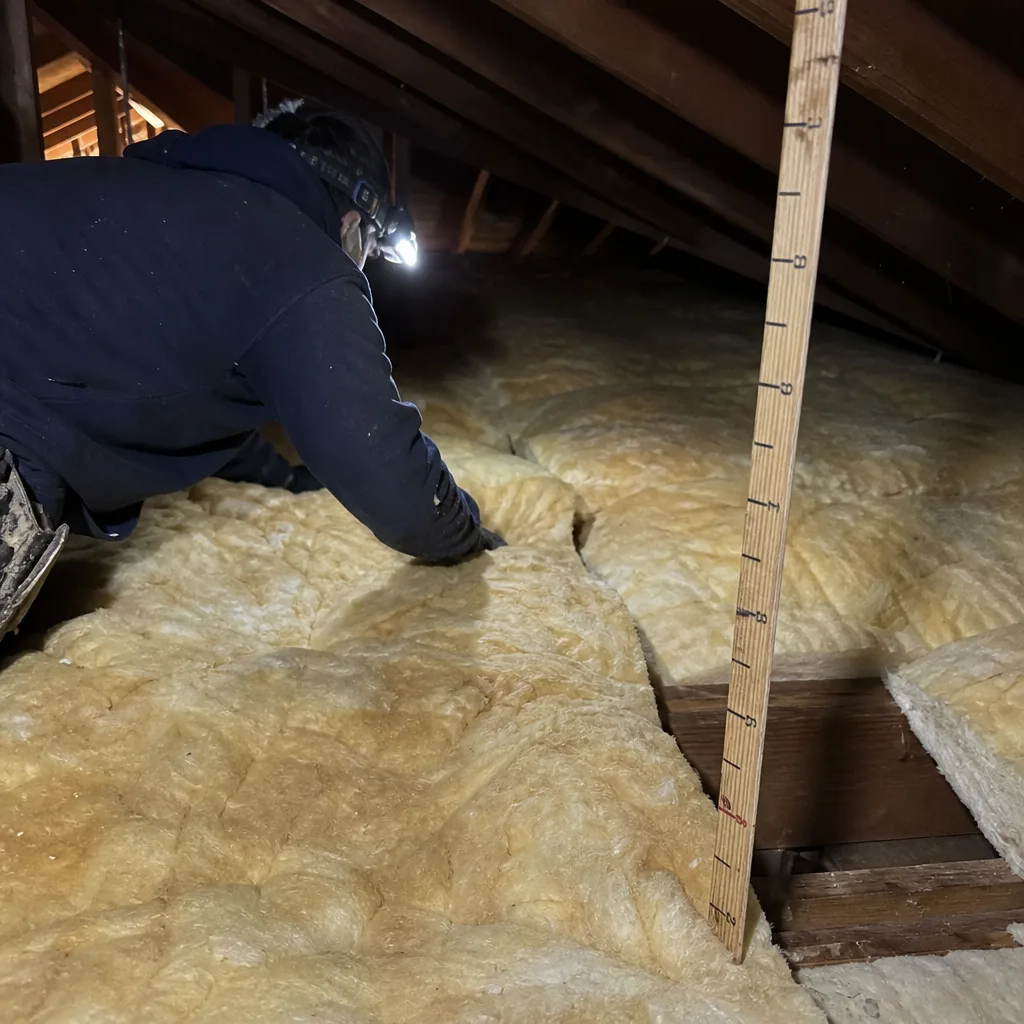
This section gets skipped on most pricing guides, and it’s one of the most useful things to understand before you hire anyone. The deliverable is part of what you’re buying.
A complete Level 2 audit in Long Beach should close with:
- A written report (PDF or printed) with your home’s pre-audit blower-door reading in CFM50, and a target post-remediation reading if you’re planning air sealing work.
- Thermal camera images called out by location: “attic hatch – significant air leakage visible,” “recessed lights in master bedroom ceiling,” “rim joist on north wall,” etc. Images without annotations are not useful.
- A prioritized list of recommended improvements with estimated savings ranges. The savings estimates should be honest: in Climate Zone 8, heating savings are modest, but cooling savings and comfort improvements in homes with poor attic air sealing can be substantial.
- Documentation of current insulation levels by zone (attic, walls, crawl space floor if applicable) measured in inches or R-value, compared against California Title 24 recommendations for your zone.
- Combustion safety results if gas appliances were tested, including any flagged conditions.
- A list of rebate programs you qualify for with any required reference numbers or eligibility notes.
At Envelope Insulation Co., every visit includes a documented photo record as a standard deliverable – not something you have to ask for. On jobs where air sealing is completed, the before and after blower-door readings are published so the homeowner has the numbers in hand. That documentation also serves as evidence for rebate submissions to SCE and SoCalGas, which require proof of pre-existing conditions in some programs.
Home Energy Audits in Long Beach: Neighborhood-Level Notes
Long Beach is not a uniform housing market, and the audit findings we see vary considerably by neighborhood.
In Wrigley and Westside Long Beach, the housing stock is predominantly 1940s and 1950s construction with minimal wall insulation, original wood-frame windows, and raised foundations. Blower-door readings in these homes frequently come in above 3,500 CFM50 before any air sealing work. The attic plane is almost always the highest-priority finding: old can lights cut directly through the drywall ceiling with no air barrier between the living space and the attic.
In Belmont Heights and Belmont Shore, we see a mix of 1920s Craftsman bungalows and 1960s apartment conversions. The bungalows often have balloon-framed exterior walls – a construction method where the wall cavity runs continuously from the foundation to the rafters with no fire blocking, which also means no practical location to add wall insulation without interior or exterior work. The audit finding here is frequently “walls are not a cost-effective target; attic and crawl space are.” Knowing that before you write a check for wall insulation saves money.
In North Long Beach and the neighborhoods near the 405 corridor, the urban heat island effect is measurable. These homes sit inland enough that the marine layer provides less natural cooling overnight, which means a home with a poorly performing attic runs its air conditioner harder and longer than a similar home two miles closer to the water. Energy audits here tend to show higher cooling season savings estimates than audits in coastal zip codes, which affects the payback math on insulation improvements.
In Los Cerritos and California Heights, the homes are generally in the 1,800 to 2,400 square foot range with some mid-century modern construction that used radiant heat systems. Those systems have their own audit considerations – auditors need to test whether the radiant system is still active or has been disconnected, and whether the crawl space below the radiant floor has adequate vapor management.
In newer construction near Douglas Park and the South Bay corridor, the findings are often less dramatic in terms of raw infiltration numbers, but the duct system is frequently the weak link. Homes built in the 1990s and 2000s in Long Beach often have duct runs through unconditioned attic space with poor mastic sealing at the joints. A duct blaster test in these homes sometimes reveals that 25 to 35 percent of conditioned air is being lost to the attic before it reaches the living space.
Audit vs. No Audit: What the Numbers Actually Show
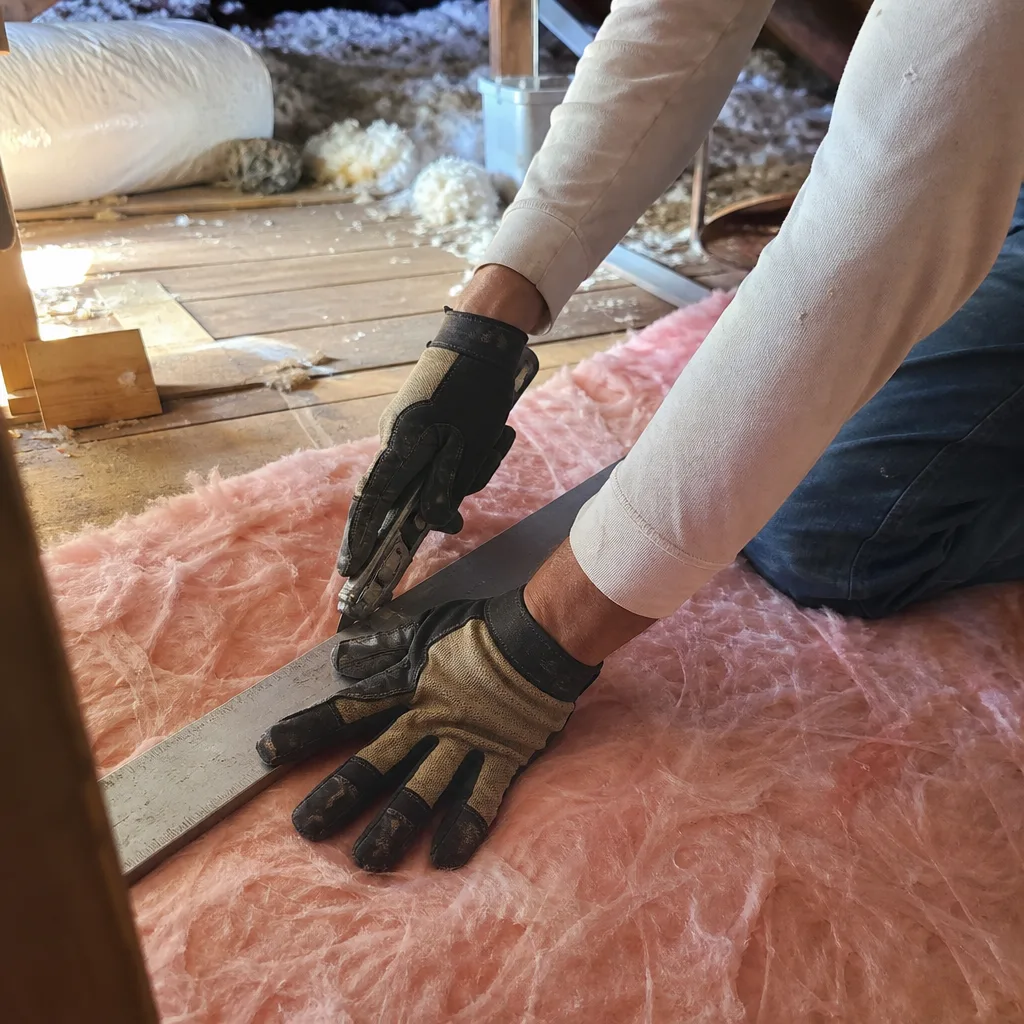
Some homeowners wonder whether paying for an audit makes sense if they’re already planning to add insulation. The short answer is: in most Long Beach homes, yes, and here’s why.
Insulation installed over an unsealed attic floor does not perform to its rated R-value. Air movement through insulation – what building scientists call convective looping – degrades thermal performance by 30 to 50 percent in some cases. That means a homeowner who pays to bring an attic from R-11 to R-38 without first sealing the top plates, penetrations, and recessed lights is paying for insulation that won’t perform as advertised, because the air is still moving through it freely.
At Envelope Insulation Co., we do not blow insulation over an unsealed attic floor. Air sealing of top plates, can lights, and penetrations is completed first, every time. That’s not a preference – it’s how building science works. An audit tells you exactly where those penetrations are and gives you a baseline CFM50 number so the air sealing work can be verified against a measurable outcome. Wes Okafor has been running this process in Long Beach since 2016, across more than 9,000 homes, and the documentation from those jobs backs up what a sealed-first approach actually delivers in measured performance change.
The cost of an audit is typically recovered within the first year of lower utility bills for homes that were running blower-door readings above 2,500 CFM50 before sealing. In North Long Beach and Wrigley, where we regularly see readings above 4,000 CFM50 in older homes, the payback is faster.
FAQs: Home Energy Audit Cost in Long Beach
How much does a home energy audit cost in Long Beach, CA in 2026?
Most Long Beach homeowners pay between $250 and $650 for a Level 2 diagnostic audit that includes a blower-door test, thermal imaging, and a written report. Larger homes, older construction, or properties requiring a duct blaster test or HERS rating can reach $800 to $900. Utility-subsidized walkthroughs through SCE or SoCalGas may cost less or nothing, but they don’t include instrumented testing. Call (424) 415-7031 and we can tell you exactly what a diagnostic visit would cost for your specific home before any work starts.
Is a free energy audit from my utility company worth it?
A utility walkthrough is worth doing if it’s free, but it produces a different output than a building-science audit. Utility walkthroughs are visual inspections – they don’t include a blower-door test, so they can’t tell you how much air your home is actually losing or where it’s going. They’re useful for identifying obvious issues and getting on a utility contractor’s radar for rebate programs. For homes where you’re considering insulation or air sealing work, a paid Level 2 audit with a blower-door reading gives you a baseline you can verify improvement against. That number – CFM50 before and after sealing – is the only objective way to confirm the work did what you paid for.
How long does a home energy audit take in Long Beach?
A Level 2 audit on a typical Long Beach home runs 2 to 3 hours on site. Older homes with crawl spaces, multiple HVAC systems, or complex attic configurations take longer. A 1,200-square-foot slab-on-grade home from the 1980s might take 90 minutes. A 2,400-square-foot 1930s Craftsman with a crawl space, two HVAC zones, and a detached garage with conditioned space will take 3 to 4 hours. After the site visit, most contractors deliver the written report within 48 to 72 hours.
Are there rebates for home energy audits in Long Beach?
Yes. Southern California Edison and SoCalGas both offer programs that subsidize or fully cover audit costs for qualifying Long Beach households, particularly for income-eligible customers. The California Energy Commission is also administering federal HEEHRA funds that can cover audit and upgrade costs for eligible households. For market-rate customers, the rebates are less on the audit itself and more on the upgrades that follow it: SCE and SoCalGas offer rebates on insulation, HVAC, and air sealing work that often reach several hundred dollars. The audit report is the qualifying document for most of these programs, so getting the right documentation format from the start matters. Call (424) 415-7031 for specifics on what programs are active for your zip code right now.
Can I skip the audit and just add insulation?
You can, but in most Long Beach homes built before 1990, adding insulation without first sealing the attic floor undercuts the investment. Insulation slows conductive heat transfer; it doesn’t stop air movement. If your attic has unsealed top plates, open can lights, and plumbing or electrical penetrations through the ceiling drywall – which is the norm in older Long Beach construction – air is moving through the insulation and the rated R-value isn’t being delivered. The audit tells you where the leaks are. The air sealing addresses them. The insulation then performs to spec. Skipping the audit and the sealing step is a common reason homeowners add R-30 attic insulation and still see high summer cooling bills. Envelope Insulation Co. will not install insulation over an unsealed attic floor – the audit and air sealing work come first, in that order, every time.
What’s the difference between a home energy audit and an insulation inspection?
An insulation inspection looks at what you have and whether it meets current standards – depth, coverage, and R-value. A home energy audit does that plus measures how well the building envelope is actually performing using instrumented testing. The blower-door test – which pressurizes the house to 50 pascals and measures the airflow needed to hold that pressure – quantifies total air leakage in a single number. Thermal imaging identifies where that leakage is concentrated. An insulation inspection alone won’t tell you that your R-30 attic insulation is sitting over 47 open can lights that are freely exchanging conditioned air with the attic. The blower-door test and thermal camera together will. That distinction matters because the repair priorities are different, and so is the cost-benefit of each improvement option.
Key Takeaways
- Most Long Beach home energy audits cost $250 to $650 for a full Level 2 diagnostic with blower-door testing and a written report.
- Older homes in neighborhoods like Wrigley, Belmont Heights, and North Long Beach typically take longer and cost more to audit due to construction complexity and higher infiltration rates.
- Utility-subsidized audits through SCE and SoCalGas are available and worth checking first, but they don’t include instrumented testing.
- The blower-door reading (CFM50) is the only objective measurement of air leakage – any audit worth paying for includes it.
- Installing insulation over an unsealed attic floor does not deliver rated performance. Air sealing comes first. That’s the building-science sequence, and it’s the only sequence Envelope Insulation Co. uses.
- The written report you receive at the end of the audit is also the qualifying document for SCE, SoCalGas, and federal rebate programs – make sure it’s formatted to support those submissions.
- Envelope Insulation Co. provides a written price before any work starts, a documented photo record on every visit, and before-and-after blower-door numbers on applicable jobs. The 365-Day Done Right Promise covers all completed work.
Get a Written Price Before Any Work Starts
If you’re ready to find out exactly what your Long Beach home is doing with your energy dollars, the next step is a diagnostic visit with a blower-door test and a written scope of any recommended work – delivered before anyone lifts a tool. Wes Okafor and the Envelope Insulation Co. team have been running this process in Long Beach since 2016, across more than 9,000 homes, and the number we hand you at the end is one you can verify.
Visit our home page to see the full range of building-envelope services we cover, or go directly to the Home Energy Audit in Long Beach service page for specifics on what a diagnostic visit includes and what documentation you receive. To schedule or to get a written estimate, call (424) 415-7031. A live person answers – no voicemail loop, no callback window measured in business days.
Written by Wes Okafor, Owner at Envelope Insulation Co. (operating as Topside Attic Insulation Long Beach), serving Long Beach, CA since 2016.
Pricing reflects the Long Beach market as of 2026. Topside Attic Insulation Long Beach offers free estimates – call (424) 415-7031.
What Our Customers Say
"The winter gas bill dropped by about a third. They had estimated a quarter, so they under-promised."
- Genevieve R."They air-sealed the attic floor before insulating and showed me the blower-door number before and after. The upstairs is finally the same temperature as downstairs."
- Marisol D."Fixed price, clean work, and they hauled the old material away as agreed."
- Todd M.