
CertainTeed Radiant Barrier Installation: The Long Beach Owner’s Guide
Most CertainTeed radiant barrier installations in Long Beach run between $1,800 and $3,400 for a typical 1,200-2,000 square foot attic, including material, labor, and the air-sealing prep that should happen first. We stock CertainTeed-compatible barrier rolls and tape in our Long Beach warehouse, and we can usually inspect and quote same-day if you call before noon. Homeowners usually figure out something’s wrong when their second-floor rooms won’t cool below 78 degrees even after the AC runs all afternoon, or when they climb into the attic in July and the radiant barrier they paid for five years ago is hanging in strips from the rafters.
Which CertainTeed Models This Applies To
CertainTeed doesn’t sell radiant barrier as a standalone branded system the way they sell roofing or siding. What we see in Long Beach attics is their MemBrain smart vapor retarder paired with third-party radiant barrier, or barrier installed by builders who specified CertainTeed as the primary insulation contractor on new construction between 2015 and 2022. The actual barrier material is usually a perforated aluminum product, 48 inches wide, rated at 0.03-0.05 emissivity.
To identify what you have, look for a printed code along the edge of the foil. CertainTeed-specified jobs in this market typically used LP TechShield or AtticFoil product with CertainTeed documentation. If your attic has blown-in fiberglass or cellulose with a CertainTeed bag label still visible, and there’s foil above it, that’s the combination we’re talking about. We carry both OEM-equivalent perforated barrier and the heavier 26-gauge woven reinforcement tape that CertainTeed jobs originally specified. The aftermarket equivalent saves about 15% on material cost and performs identically in Long Beach’s marine climate, where humidity moderation matters more than the extreme heat load you’d see inland.
Signs Your CertainTeed Radiant Barrier Installation Is Failing
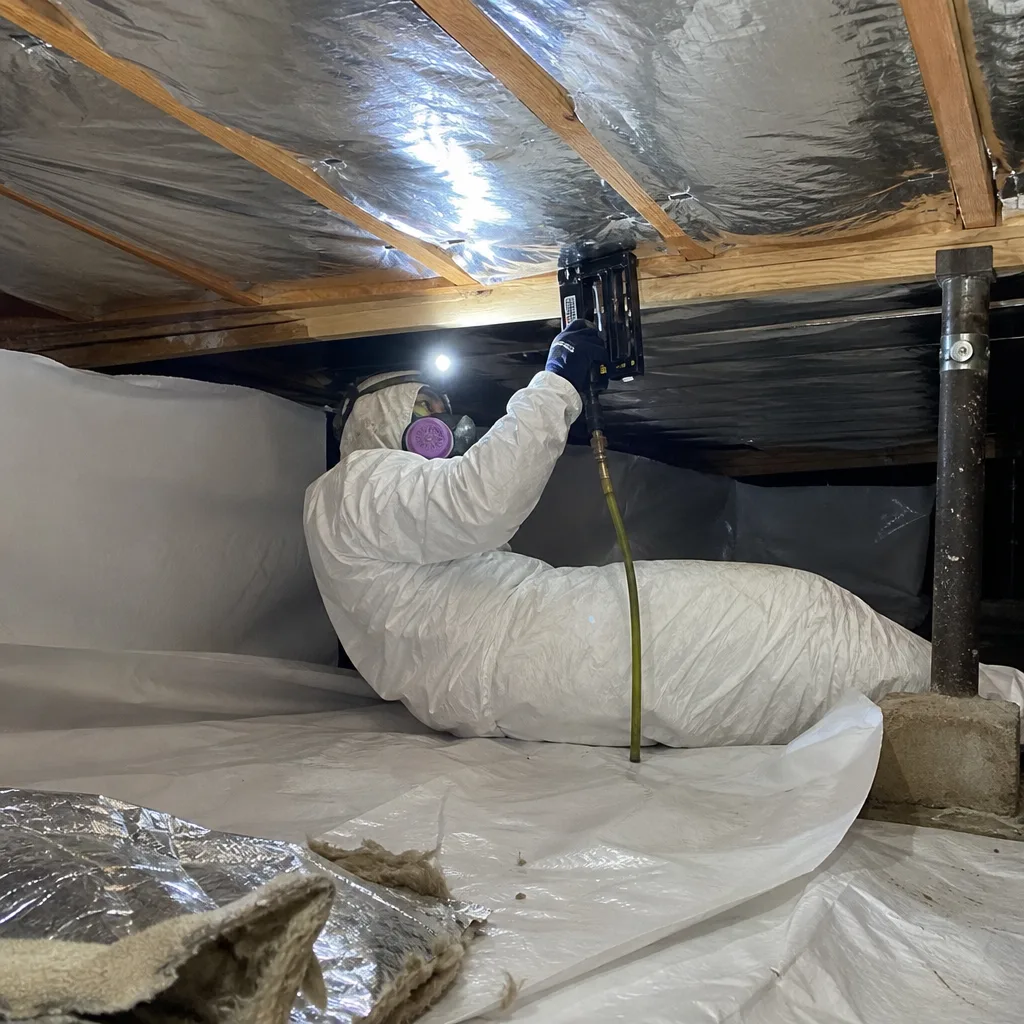
- Hot ceiling patches in late afternoon. The barrier has pulled away from the rafters or torn at the staple line, so infrared radiation from the roof deck is hitting your drywall directly. We find this most often on the west-facing slopes of Long Beach bungalows, where thermal cycling is hardest on the fasteners.
- Dust accumulation on what should be shiny foil. Once the reflective surface gets coated, emissivity drops and the barrier becomes a radiant absorber instead. In neighborhoods near the 405 or the port corridor, we’ve measured this degradation in as little as four years from particulate infiltration through gable vents.
- Moisture staining on the barrier or nearby rafters. Perforated barrier that was installed upside-down, or non-perforated barrier used where ventilation is marginal, traps attic moisture against the roof deck. This is the failure mode we see in Belmont Heights remodels where a handyman added barrier without checking existing soffit flow.
- Sagging or separated seams. The original installer used the wrong tape, or none at all, and summer expansion cycles have opened gaps at the joints. A proper radiant barrier installation should read as one continuous surface to infrared; gaps defeat the purpose.
- Your summer electric bills climbed back to pre-installation levels. This is the symptom that sends most Long Beach homeowners into their attics with a flashlight. If the barrier was doing its job and now it’s not, the performance drop shows up in kilowatt hours before it shows up visually.
Replacement Cost & What’s Included
In Long Beach, a full CertainTeed-compatible radiant barrier replacement runs $1,800-$3,400 for most single-family homes, with the final number driven by attic square footage, whether we need to remove failed material first, and how much air sealing the top plates and penetrations need before the new barrier goes up. Here’s how that breaks down:
| Component | Typical Range |
|---|---|
| Perforated radiant barrier material (sq ft) | $0.85-$1.40 |
| Woven aluminum seam tape | $180-$320 |
| Air sealing (top plates, can lights, penetrations) | $450-$890 |
| Labor and installation | $680-$1,250 |
We won’t quote barrier without the air-sealing line item. Measure first, then insulate - otherwise you’re just trapping the problem. Every job closes with a Documented Photo Record, and on full envelope jobs we provide before-and-after blower-door numbers so you can verify the air-sealing result in CFM50. The 365-Day Done Right Promise applies to all completed work.
DIY or Call Us?
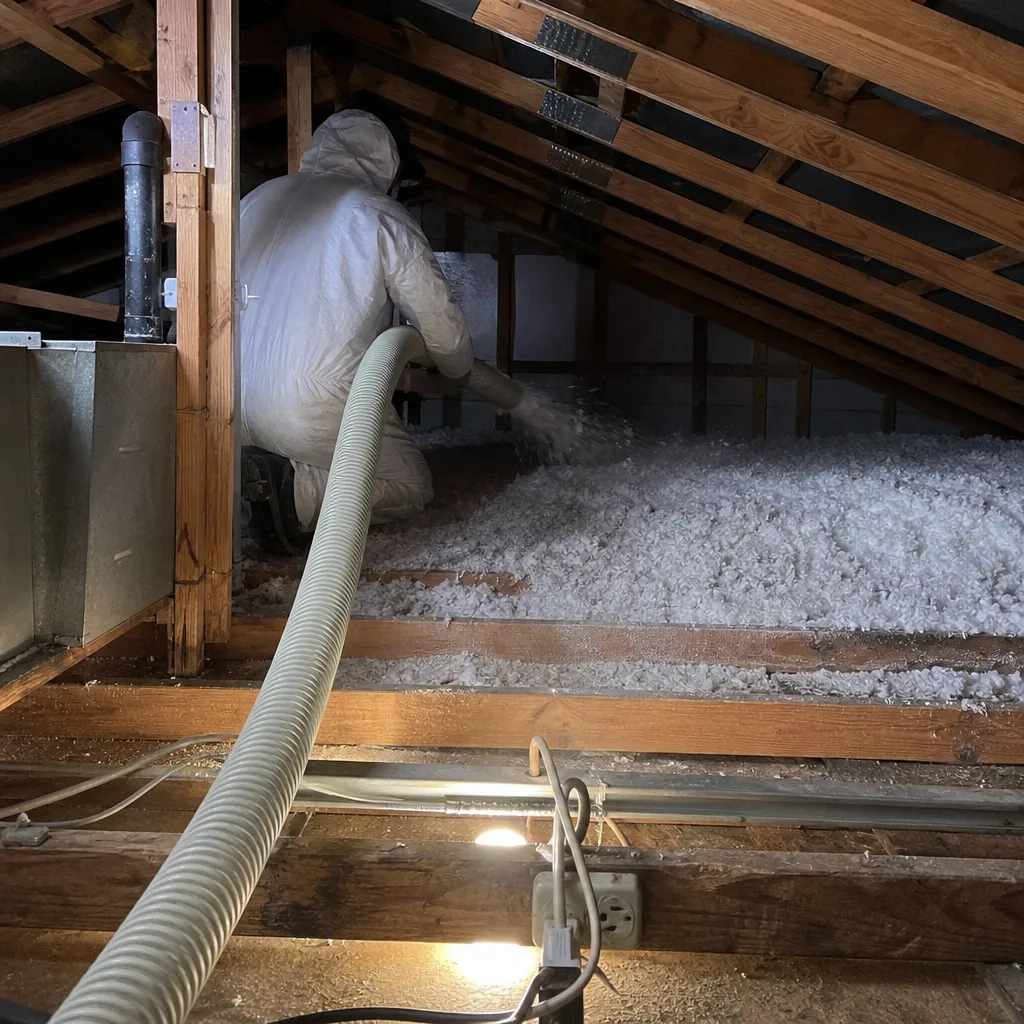
There’s nothing inherently dangerous about radiant barrier material - no high tension, no electrical, no gas. What goes wrong is the sequence. Homeowners who staple up new foil over unsealed attic floors are insulating their air leaks, not fixing them. We’ve pulled down barrier in Long Beach attics where the homeowner’s “upgrade” had trapped conditioned air inside the fiberglass for three years, accelerating moisture damage.
What you can safely check: whether the existing barrier is intact, whether your soffit vents are blocked by insulation, and whether you can see daylight through obvious gaps. What we handle: the blower-door test to locate leakage, the air sealing with fire-rated caulk and rigid baffles, and the barrier installation with proper tape seams and ventilation clearances. Call (424) 415-7031 for a free estimate. We’ll measure your attic, check your existing R-values, and give you a written price before any work starts - Haven Standard Clause 1, no exceptions.
FAQs
Perforated aluminum barrier in Long Beach’s marine climate typically holds its reflectivity for 10-15 years if the attic ventilation is adequate and the barrier stays clean. Barrier within three miles of the port or major freeways tends to dust-load faster, cutting effective lifespan closer to 8-10 years. Call (424) 415-7031 if you’re unsure whether yours is still performing - estimates are free.
Patching small tears with proper aluminum tape works if the surrounding material is still clean and well-attached. Once the foil is widely dust-coated, sagging, or showing moisture damage, replacement is the only cost-effective fix because patched sections won’t match the degraded reflectivity of the original. We assess this on every inspection and will tell you straight if patching makes sense.
Most residential radiant barrier replacements in Long Beach take one full day for a crew of two, assuming standard attic access and no hazardous material concerns. Jobs requiring extensive air sealing or removal of failed existing barrier may run into a second day. We give you a written schedule with the written price, so you know both before anyone arrives.
Yes. We keep perforated 48-inch rolls, woven aluminum seam tape, and fire-rated air-sealing materials in our Long Beach warehouse. For standard residential jobs, we don’t need to order material and can usually start within a few days of your written approval. Same-day inspection and quote is often available if you call before noon.
Written by Wes Okafor, Owner, Topside Attic Insulation Long Beach at Topside Attic Insulation Long Beach, serving Long Beach and nearby areas.