
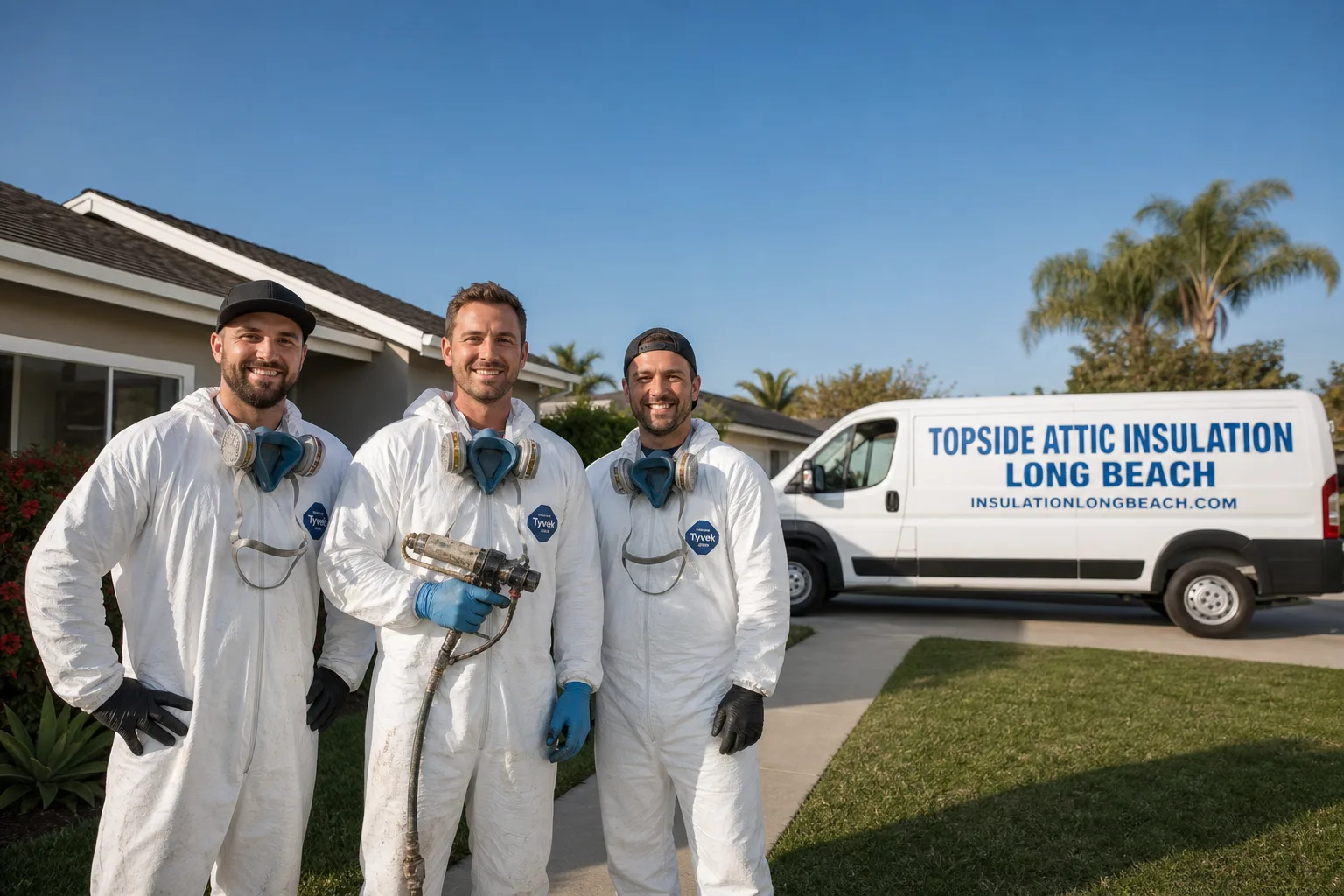
Fast, Reliable Blown-In Insulation Across Lakewood
Most blown-in insulation jobs in Lakewood run $1,800-$4,200 depending on whether we’re topping an attic or dense-packing walls that have been empty since 1952. We dispatch crews to Lakewood from our Los Angeles office, and most attic jobs are completed in a single day. Call (424) 415-7031 for a written price before any work starts - that’s Haven Standard Clause 1.
We’ve worked enough Lakewood Mutual tracts off Candlewood Street and Mayfair Park-adjacent streets to know what we’ll find before we pull the attic hatch. The city’s 1950-1954 construction blitz left nearly every home with the same deficiencies: walls framed without insulation, attic batts crushed by retrofit ductwork, and open top plates that let conditioned air escape into the attic. An insulation contractor who’s done one Lakewood ranch has a template for thousands more.
Why Topside Attic Insulation Long Beach Is Lakewood’s Preferred Blown-In Insulation Company
Our crews have sealed and insulated homes in Lakewood’s uniform ranch tracts since 2016, and the repetition has made us efficient. We know which floor plans have scissor-truss attics versus simple rectangular joist bays, where the top plates typically gap, and how the original soffit framing connects to attic space. That familiarity means we don’t waste hours on discovery - we diagnose, quote in writing, and execute.
Lakewood homeowners review us across multiple platforms, and the pattern we see is consistent: they mention the blower-door numbers we leave behind, the photo documentation, and the fact that we answered the phone at 9 PM when the Santa Ana winds were rattling their vent screens. Our 365-Day Done Right Promise applies to every job, backed by a written scope and warranty delivered before anyone lifts a tool.
Response time to Lakewood is typically same-day or next-day for estimates, with most attic blow-in jobs scheduled within a week of written approval. We don’t do callback windows measured in business days - a live person answers calls 24/7.
Our Blown-In Insulation Services in Lakewood
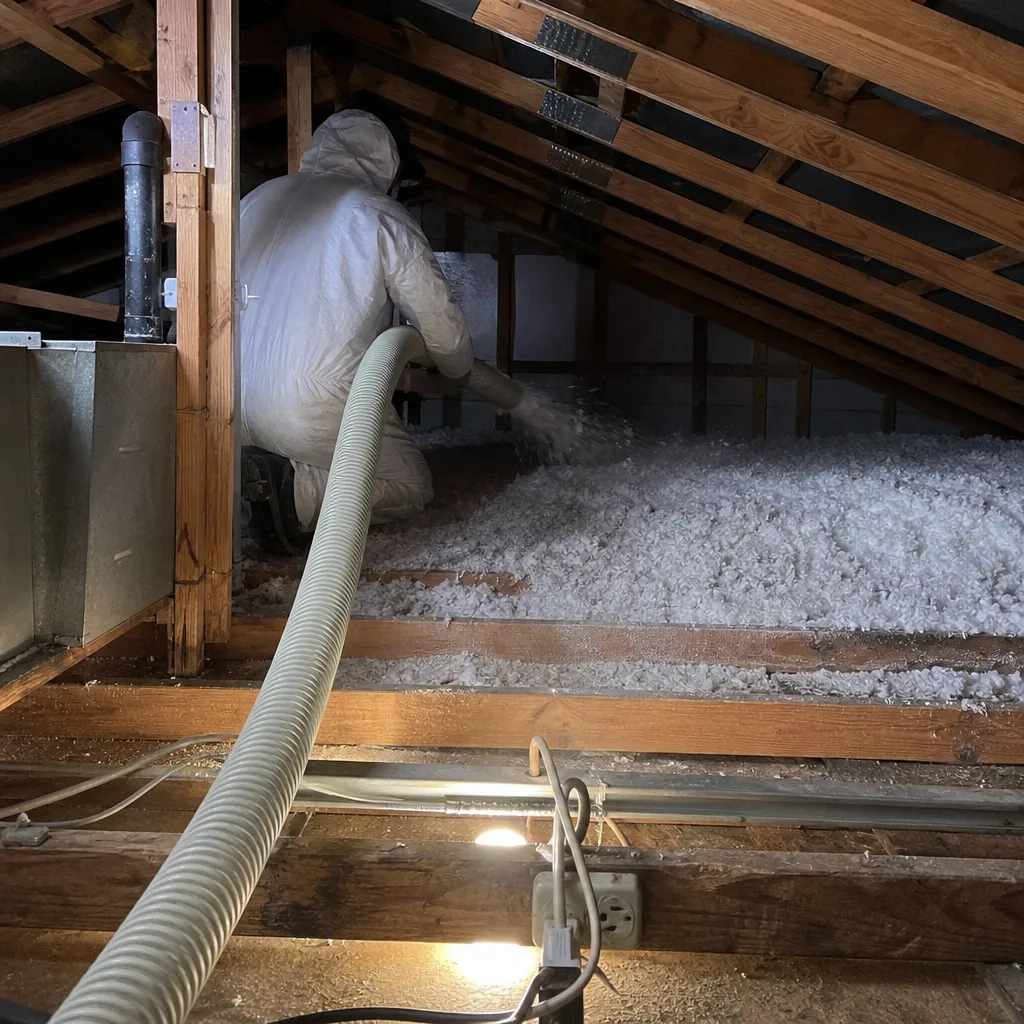
Blown-In Cellulose
We use GreenFiber cellulose for Lakewood attics where homeowners want a recycled-content material with good fire resistance. Cellulose settles less than you’d expect when installed at proper density, and it performs well in Lakewood’s low-pitched ranch attics where space is limited. We typically blow cellulose to R-38 over air-sealed top plates, using baffles to maintain soffit ventilation in the original open-framing details common to 1950s tract construction.
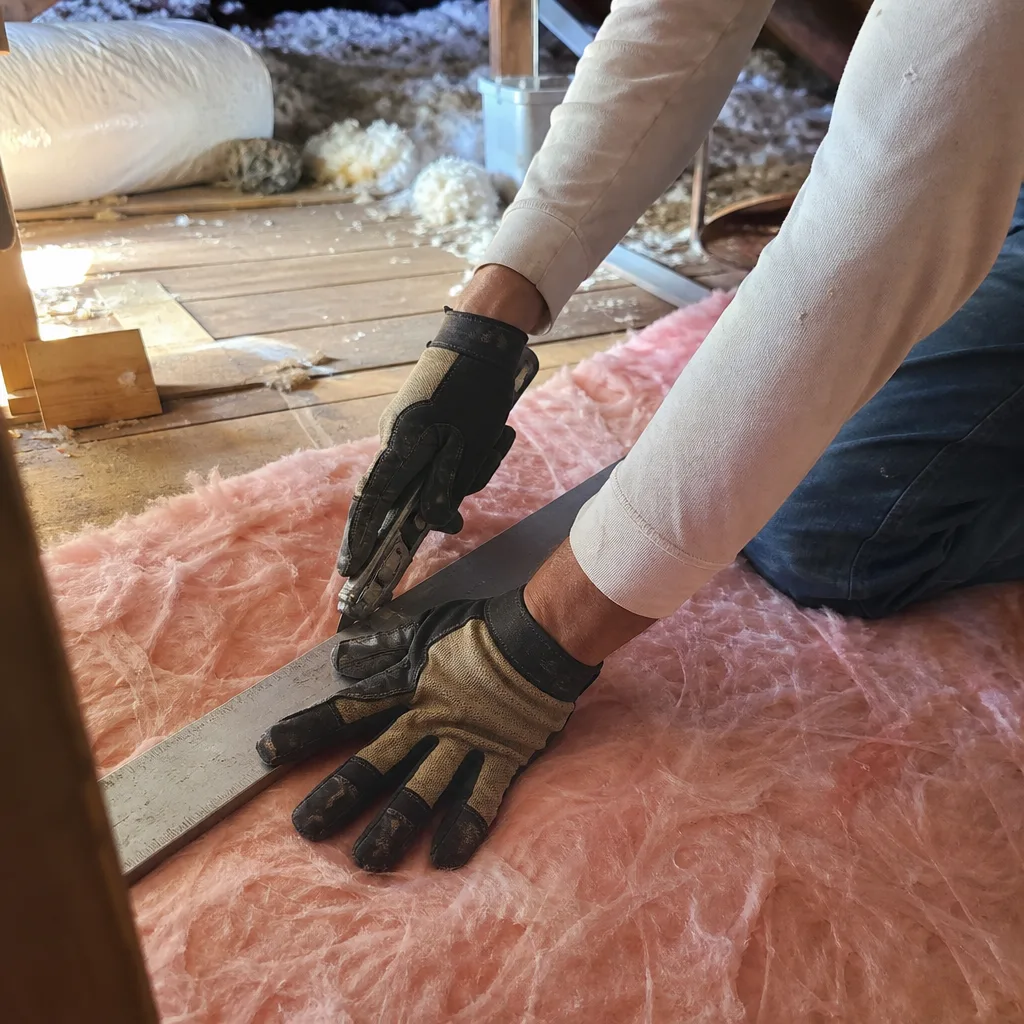
Blown-In Fiberglass
Our most common Lakewood attic application. We source Owens Corning blown-in fiberglass for its consistent coverage and low dust during installation. In Lakewood’s simple rectangular attics, fiberglass flows evenly around the retrofit ductwork that crushed the original batts, restoring R-value without removing the ducts. We air-seal first - top plates, can lights, pipe penetrations - then blow to R-38 or R-49 depending on joist depth and homeowner preference.
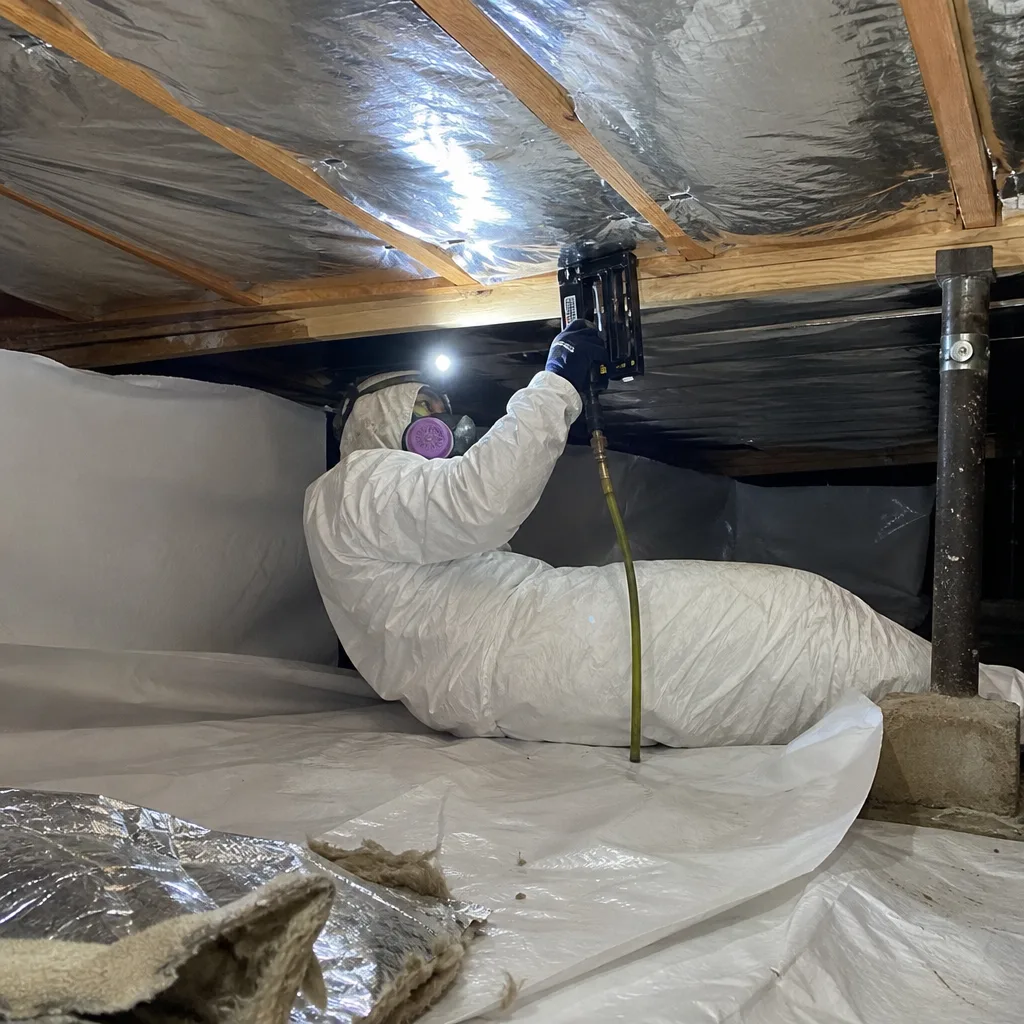
Dense-Pack Wall Insulation
This is where Lakewood’s housing stock differs from every nearby city. Nearly every exterior wall in a 1950-1954 Lakewood ranch was framed without insulation - standard practice for mild-climate Southern California construction of that era. We dense-pack these empty stud bays with cellulose at 3.5 pounds per cubic foot, which prevents settling and creates an air-blocking layer. But here’s the critical step: we air-seal the top plate first. Lakewood’s original framing has open soffit and attic connections that let blown material migrate upward if we don’t seal that junction. We’ve learned this the hard way on early jobs, and now it’s non-negotiable on every Lakewood wall injection.
Blown-In Top-Up
The most common call we get from Lakewood: “The attic has insulation, but the house still runs hot.” We pull the hatch and find original fiberglass batts pinned flat under 1970s flex-duct, delivering near-zero effective R-value. Our top-up protocol: document existing conditions with photos, air-seal all accessible leaks, then blow Owens Corning fiberglass over the existing material to achieve R-38 minimum. We don’t remove the old batts unless they’re contaminated - we work over them, restoring thermal performance without unnecessary demolition cost.
What happens when you call
- 1
A real person answersNo phone trees - you reach a local pro.
- 2
You get an upfront price rangeHonest numbers before anyone is dispatched.
- 3
A background-checked tech heads outLicensed & insured, dispatched right away.
- 4
You approve before work beginsNothing starts until you say go.
Trusted Brands We Service in Lakewood
We stock blown-in materials from Owens Corning, Johns Manville, and Knauf for Lakewood jobs, with no proprietary lock-in that limits your options. Owens Corning fiberglass is our default for attic top-ups in the city’s ranch tracts - it flows well around existing ductwork and maintains R-value in the temperature swings Lakewood sees during Santa Ana events. Johns Manville provides alternative fiberglass specifications when homeowners request them. Knauf materials round out our cellulose and fiberglass inventory. We don’t claim exclusive status with any manufacturer; we specify what performs for the particular failure mode we’re fixing.
Common Blown-In Insulation Problems We See in Lakewood Homes
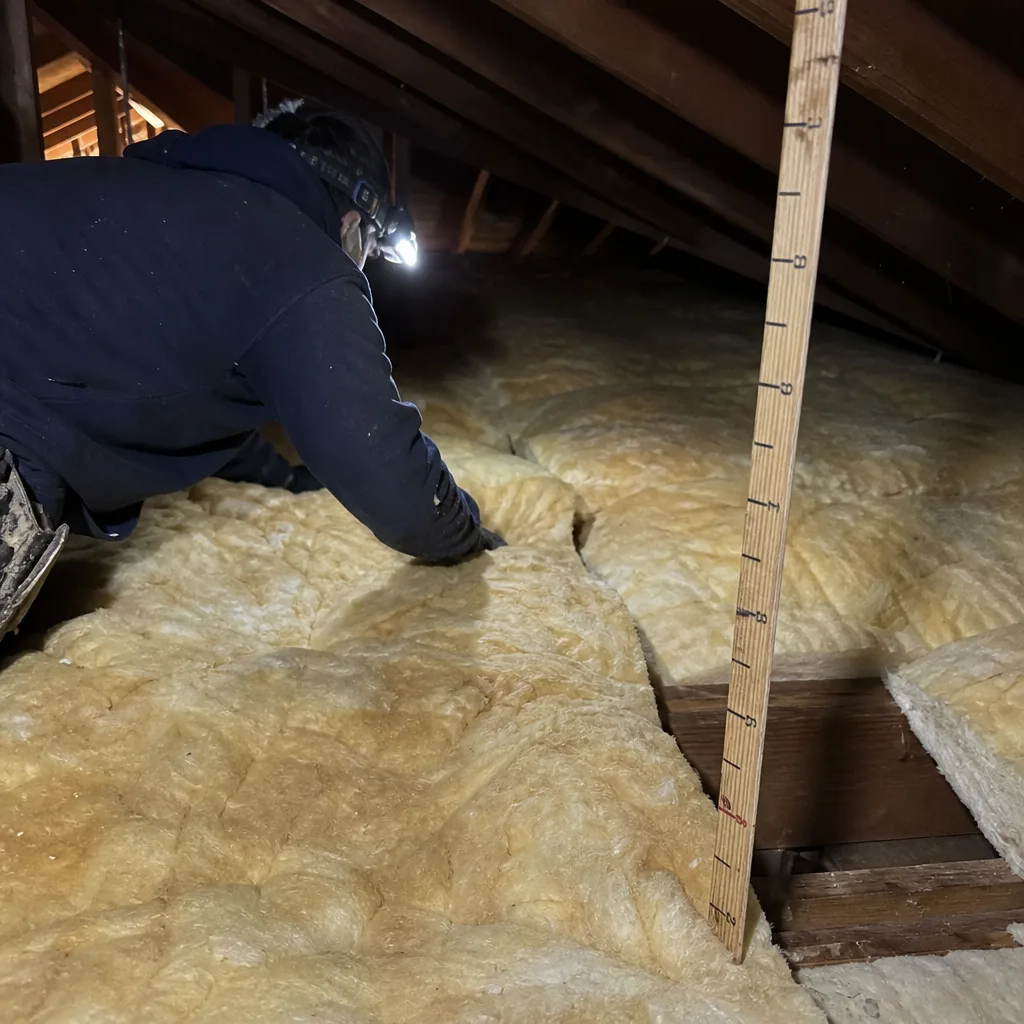
- Original batts crushed to near-zero R-value by retrofit ductwork. In the Lakewood Mutual tract off Candlewood Street, we pulled a 1952 ranch’s attic hatch and found the original fiberglass batts pinned flat under a 1970s flex-duct run, delivering almost no R-value. We air-sealed the top plates and blown-in fiberglass with Owens Corning to R-38 over the existing batts, then dense-packed the street-facing exterior walls. The homeowner called back after the first Santa Ana wind event to say the back bedrooms stayed under 78°F for the first time.
- Blown-in wall insulation migrates into the attic through unsealed top plates. Lakewood’s 1950-1954 tract homes were framed without wall insulation, so when we blow dense-pack cellulose into exterior walls, we’re filling stud bays that have been empty for 70 years - but the open soffit and attic connections in that original framing mean we have to air-seal the top plate first or the blown-in material migrates into the attic. We’ve seen competitors skip this step. We don’t.
- Salt-air corrosion degrades attic vent screens and hatch hardware. Lakewood sits 10-12 miles inland, close enough for coastal salt air to attack metal components. Corroded vent screens collapse, letting wind-driven dust and moisture foul newly blown insulation. We inspect and replace damaged screens as part of our standard attic prep.
- Open soffit framing creates thermal bypasses even in “insulated” attics. The original carpentry in Lakewood ranches often left soffit cavities open to attic space. Without baffles and air sealing, blown insulation blocks ventilation or falls into the soffit entirely. We install proper baffles before blowing - every time.
Pricing for Blown-In Insulation in Lakewood, CA
A typical blown-in attic top-up in a Lakewood ranch runs $1,800-$2,800. Dense-packing exterior walls on the same home adds $2,200-$3,800 depending on linear footage and whether we’re working around enclosed-garage conversions. Full attic replacement with air sealing and new blown-in fiberglass to R-38 ranges $3,200-$4,200.
What moves the number: attic accessibility (some Lakewood ranches have hatches in closets with tight clearances), whether we need to relocate ductwork to achieve even coverage, and the extent of air sealing required before blowing. We don’t guess. Every estimate includes a written scope, a flat price, and a written warranty - delivered before work starts. Free Second Opinion on any written estimate from another contractor.
Call (424) 415-7031 for exact pricing on your home. Estimates are free.
We Also Serve Cities Near Lakewood
Our crews work throughout the South Bay and Gateway Cities. We regularly complete Blown-In Insulation jobs in Lomita, Torrance, Carson, and Long Beach - each with different housing stock and failure patterns than Lakewood‘s uniform 1950s ranches. If you’re in one of these neighboring cities, the scope and pricing may differ; we’ll assess and quote in writing.
Serving Lakewood, CA - Our Local Coverage Area
We’re based in the Lakewood area and know this community well. Use the map below to see our service coverage - if you’re nearby, we can almost certainly help.
FAQs - Blown-In Insulation in Lakewood
Because the walls were built empty. Lakewood’s 1950-1954 tract homes were framed without wall insulation - standard practice for mild-climate Southern California construction of that era - so even a well-insulated attic leaves the building envelope half-complete. Heat transfers through uninsulated stud bays rapidly, especially during Santa Ana wind events when exterior wall temperatures spike. We typically dense-pack walls with cellulose and top the attic with blown-in fiberglass for a complete thermal envelope. Call (424) 415-7031 for a scope and price on both.
It matters for how we approach the job, not whether we can do it. Buried ductwork usually means original fiberglass batts were compressed when flex ducts were laid directly on top in the 1970s-80s, which is the most common attic condition we find in Lakewood. We photograph the layout, air-seal duct boots and top plates, then blow new insulation over the existing material to restore R-value without disturbing the ducts. If ducts are damaged or poorly routed, we’ll note it in the written scope. Call (424) 415-7031 and we’ll assess.
It doesn’t change the material specification, but it changes what we inspect first. Lakewood’s 10-12 mile coastal distance means salt air still reaches attic vent screens, hatch hardware, and fasteners - not as aggressively as Long Beach proper, but enough to cause corrosion we don’t see in inland cities like Carson. We replace compromised screens before blowing insulation; otherwise wind-driven dust and moisture foul the new material within seasons. The R-value target stays the same: R-38 minimum for attics, dense-packed walls to fill the cavity.
R-38 minimum in the attic, which is California’s current Title 24 standard and what we specify for every Lakewood job. Most original 1950s attics started with R-11 or R-19 fiberglass batts, now degraded to near-zero effective value by compression and age. Our top-ups add blown-in fiberglass over air-sealed surfaces to achieve R-38, measured by depth and material specification. We document the target and the installed depth in your written record. Call (424) 415-7031 for a written scope with exact numbers for your home.
Yes, and these conversions are common in Lakewood neighborhoods where homeowners needed extra square footage. The problem: garage conversions were often framed and finished without insulation, layering retrofit opportunity on top of the original deficiency. We dense-pack exterior walls from the interior through minimal access holes, air-sealing the top plate first to prevent material migration into the attic. The scope and price depend on whether the conversion has drywall in place or if we’re working during a renovation. Call (424) 415-7031 for a written estimate.
Written by Wes Okafor, Owner at Topside Attic Insulation Long Beach, serving Lakewood since 2016 under The Haven Standard.