
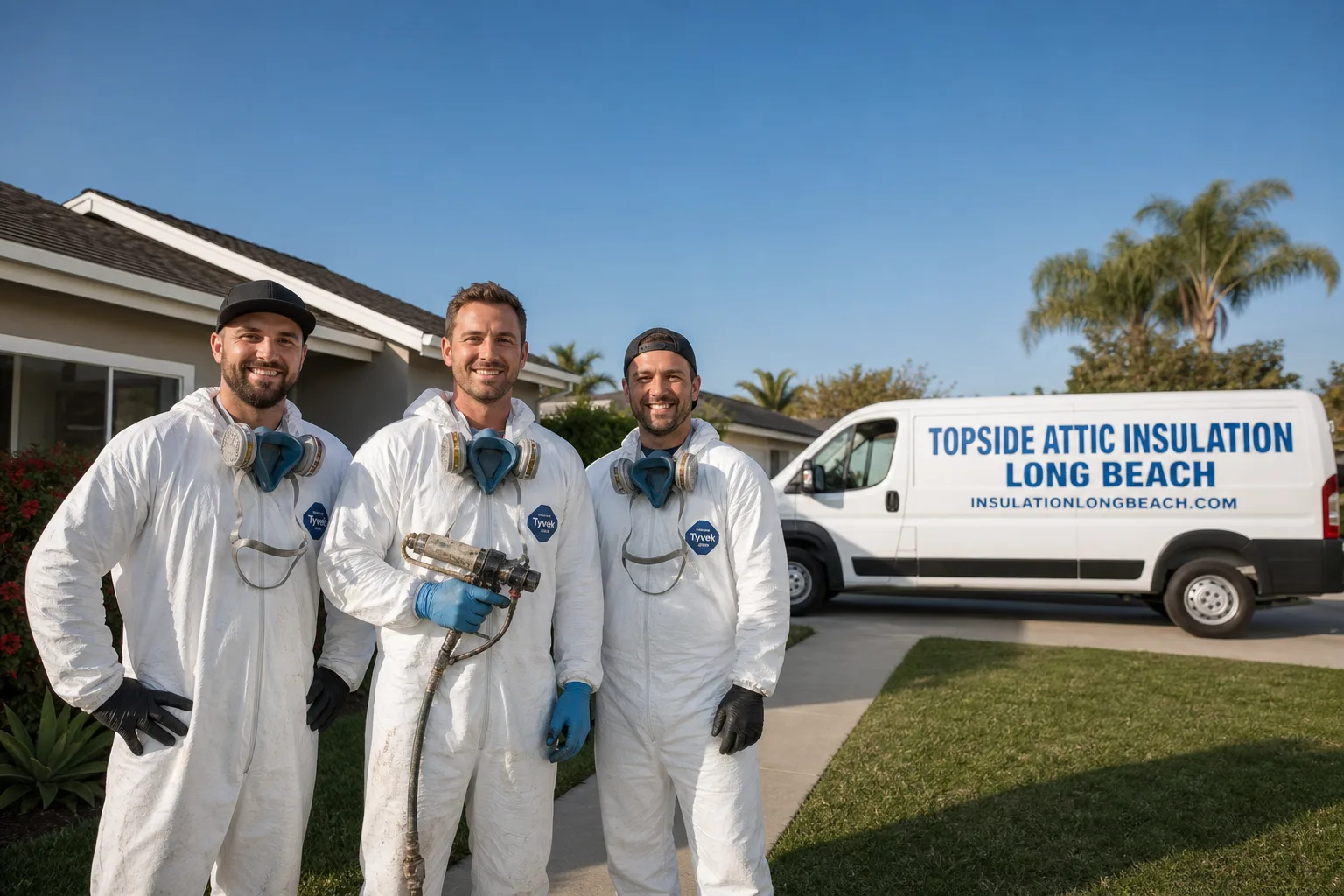
Trusted Radiant Barrier Installation for Long Beach Homeowners
Radiant barrier installation in Long Beach typically costs $1,800-$4,200 for a standard single-family attic and can reduce cooling loads by 20-35% in homes with ductwork or HVAC equipment in the attic space. Most Long Beach homes built between 1945 and 1990 have little to no radiant protection, which means attic temperatures regularly hit 140-160°F on summer afternoons and force your air conditioner to work against that heat gain. We complete most radiant barrier installations in one day, and you can reach us at (424) 415-7031 - a live person answers, 24/7.
We’ve sealed and insulated over 9,000 homes since 2016, and every job started with a written price before anyone lifted a tool. In Long Beach neighborhoods like Bixby Knolls, Belmont Heights, and the Craftsman homes north of Fourth Street, we see our Radiant Barrier Installation in Long Beach follow the same pattern: attics that were insulated decades ago with fiberglass batts, but never had the radiant heat addressed. The result is rooms that never cool evenly, second floors that stay hot until midnight, and energy bills that climb every summer even when usage stays flat. Our crews are background-checked, uniformed, and arrive with a documented photo record of every visit - part of the Haven Standard we’ve operated under since day one.
What Our Radiant Barrier Installation Service Includes
Attic Radiant Barrier
An attic radiant barrier is a reflective surface, typically aluminum foil laminated to a substrate, installed on the attic floor or underside of the roof deck to block radiant heat transfer from a hot roof into the living space below. In Long Beach, where marine layer mornings give way to intense afternoon sun, attic radiant barriers address the specific heat gain pattern that makes upstairs bedrooms uncomfortable by 3 PM. We install attic radiant barriers only after completing air sealing of top plates, can lights, and penetrations - blowing insulation or laying reflective material over an unsealed attic floor would trap conditioned air leaks and mask the real problem. Every attic radiant barrier job includes before-and-after blower-door numbers so you can verify the envelope performance changed, not just the surface temperature.
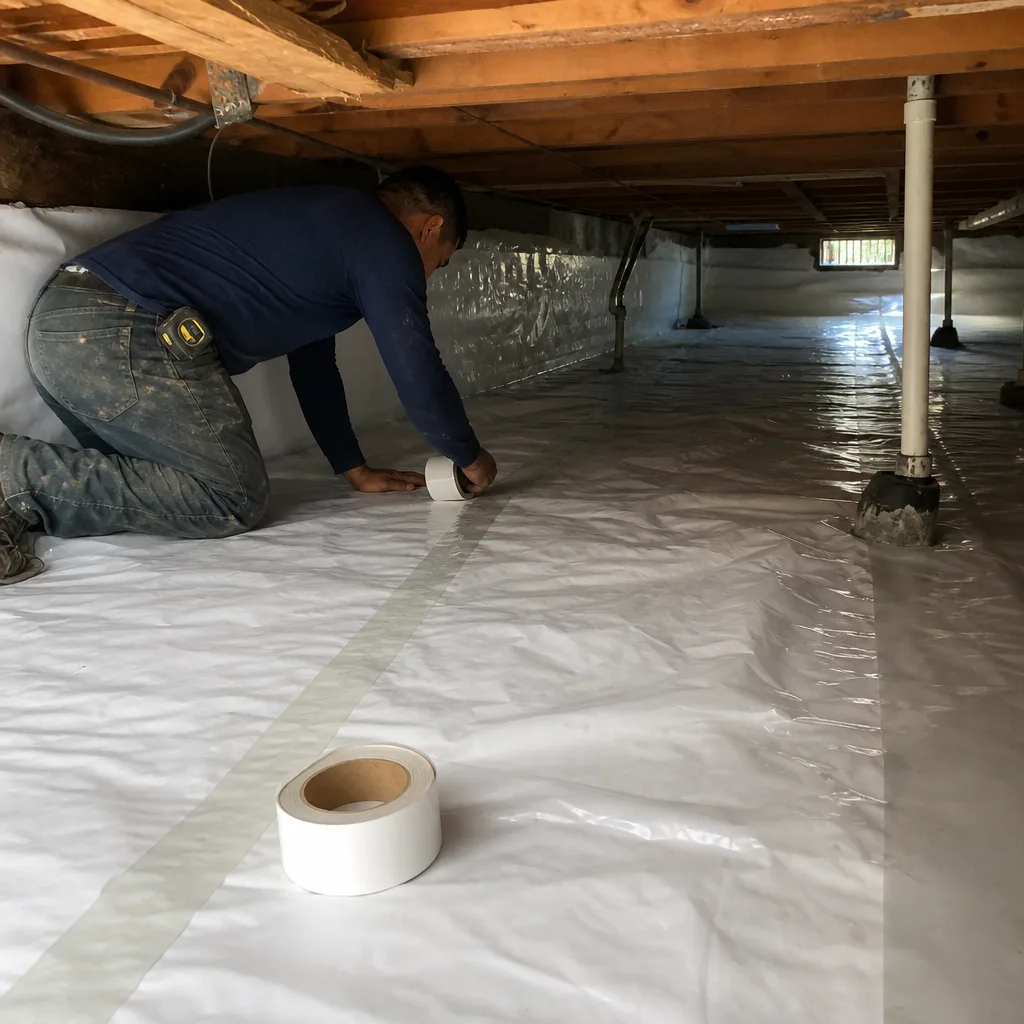
Radiant Barrier Foil
Radiant barrier foil is the most common material form - a thin, flexible sheet with a low-emissivity surface that reflects up to 97% of radiant heat rather than absorbing it. In Long Beach’s climate zone 10B, where cooling degree days outpace heating degree days by a wide margin, radiant barrier foil pays back fastest when installed in ventilated attics with significant ductwork exposure. We source our foils from established manufacturers including Owens Corning and specify perforated products in coastal applications where moisture management matters. Our crews cut and staple radiant barrier foil to rafter bays with proper gaps for ventilation airflow, never laying it loose where wind or static can displace it over time.
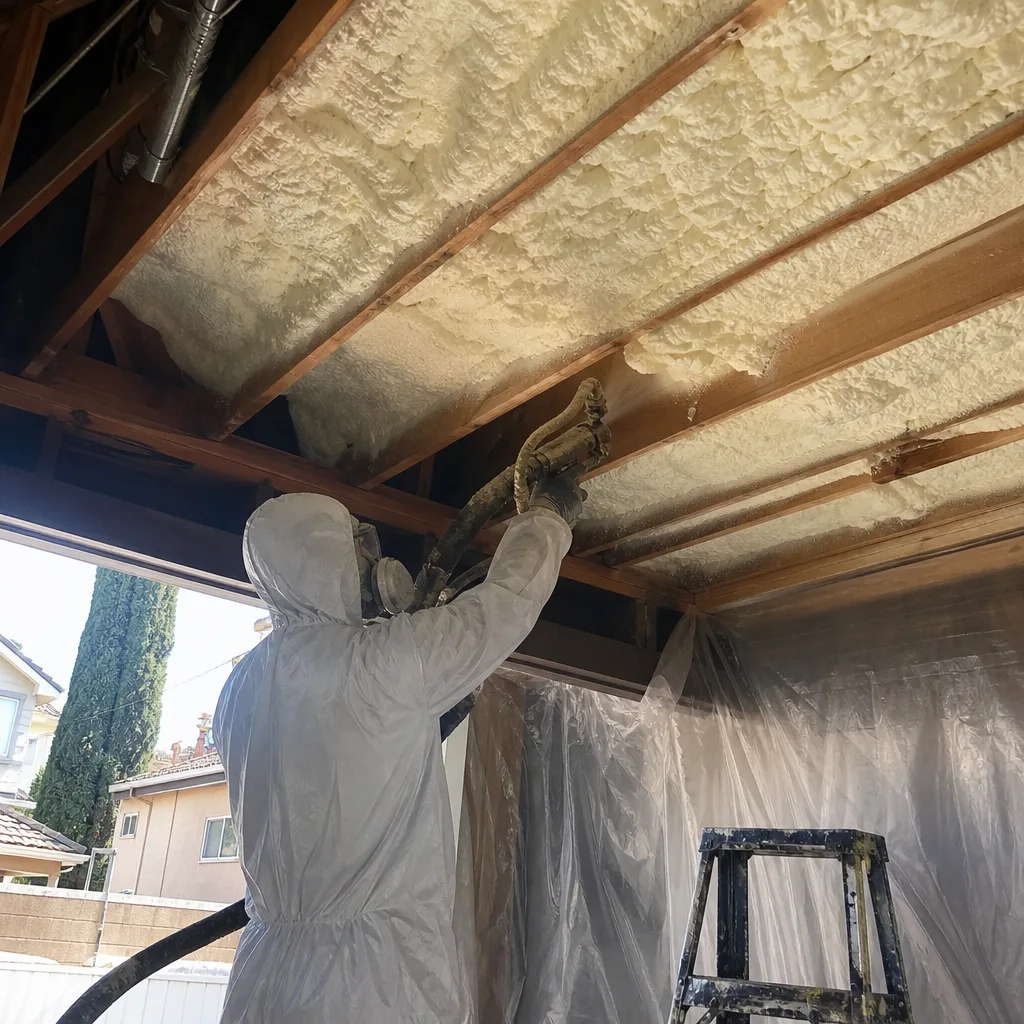
Radiant Barrier Roof Deck
A radiant barrier roof deck installation applies reflective material directly to the roof sheathing, either during new construction or re-roofing, or as a retrofit application to the underside of existing decking. In Long Beach neighborhoods like Naples and the Peninsula, where homes often have complex roof geometries with limited attic access, roof deck application sometimes makes more sense than floor installation. We use foil-faced sheathing or mechanically fastened reflective panels depending on the existing structure, and we always verify that soffit and ridge ventilation patterns remain unobstructed - a radiant barrier without airflow becomes a heat trap. Our written scope specifies the exact coverage area and fastener pattern before work starts, so there’s no ambiguity about what was promised versus what was delivered.
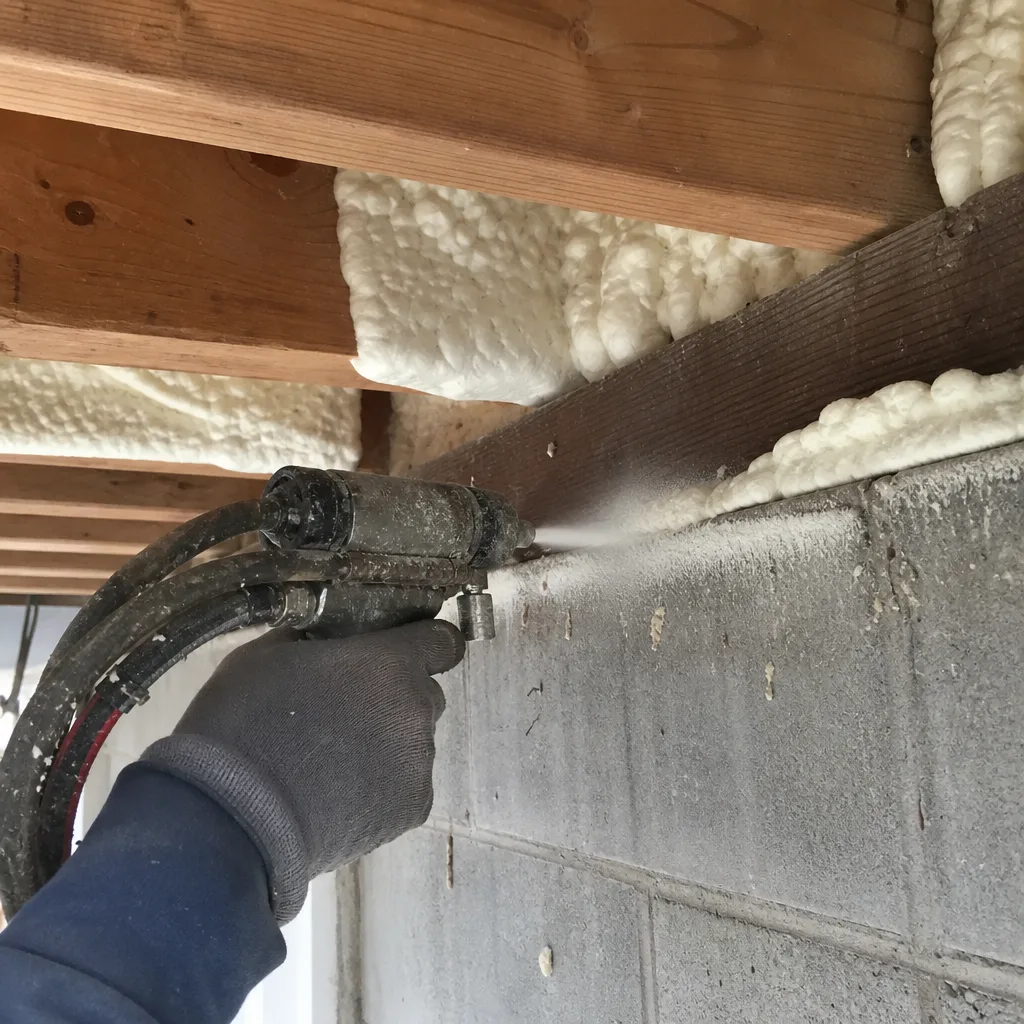
Radiant Barrier & Ventilation
Radiant barrier performance depends entirely on ventilation - the reflective surface must face an air gap of at least 3/4 inch to function, and attic air temperature must stay within a reasonable range for the barrier to maintain its advantage. In Long Beach, where many homes have inadequate soffit ventilation or blocked ridge vents from decades of paint and debris, we assess the whole attic system before recommending radiant barrier installation. Our crews clear soffit vents, install baffles where insulation would otherwise block airflow, and measure actual ventilation rates against the 1:300 rule - one square foot of net free vent area per 300 square feet of attic floor. The result is a radiant barrier that actually performs as specified, backed by our 365-Day Done Right Promise and the written warranty you receive before anyone starts work.
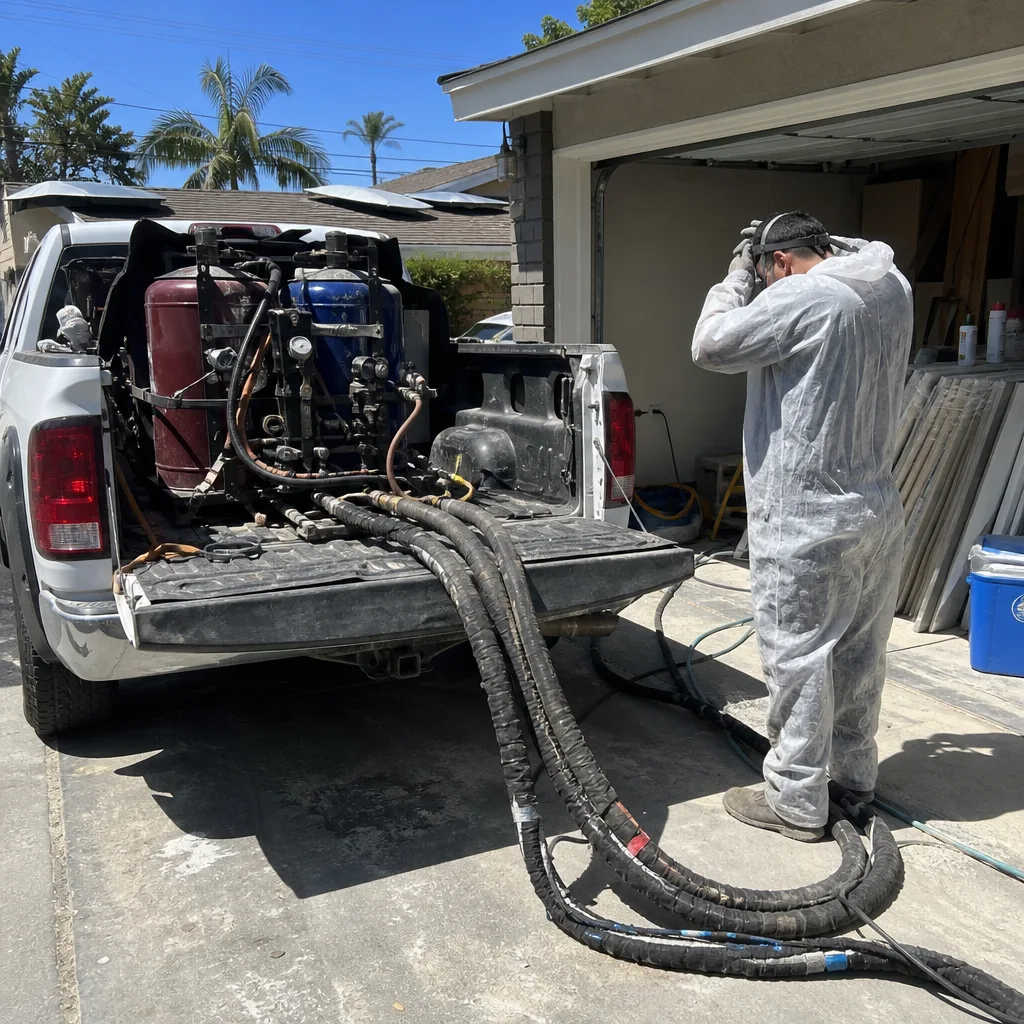
What happens when you call
- 1
A real person answersNo phone trees - you reach a local pro.
- 2
You get an upfront price rangeHonest numbers before anyone is dispatched.
- 3
A background-checked tech heads outLicensed & insured, dispatched right away.
- 4
You approve before work beginsNothing starts until you say go.
Brands We Service for Radiant Barrier Installation
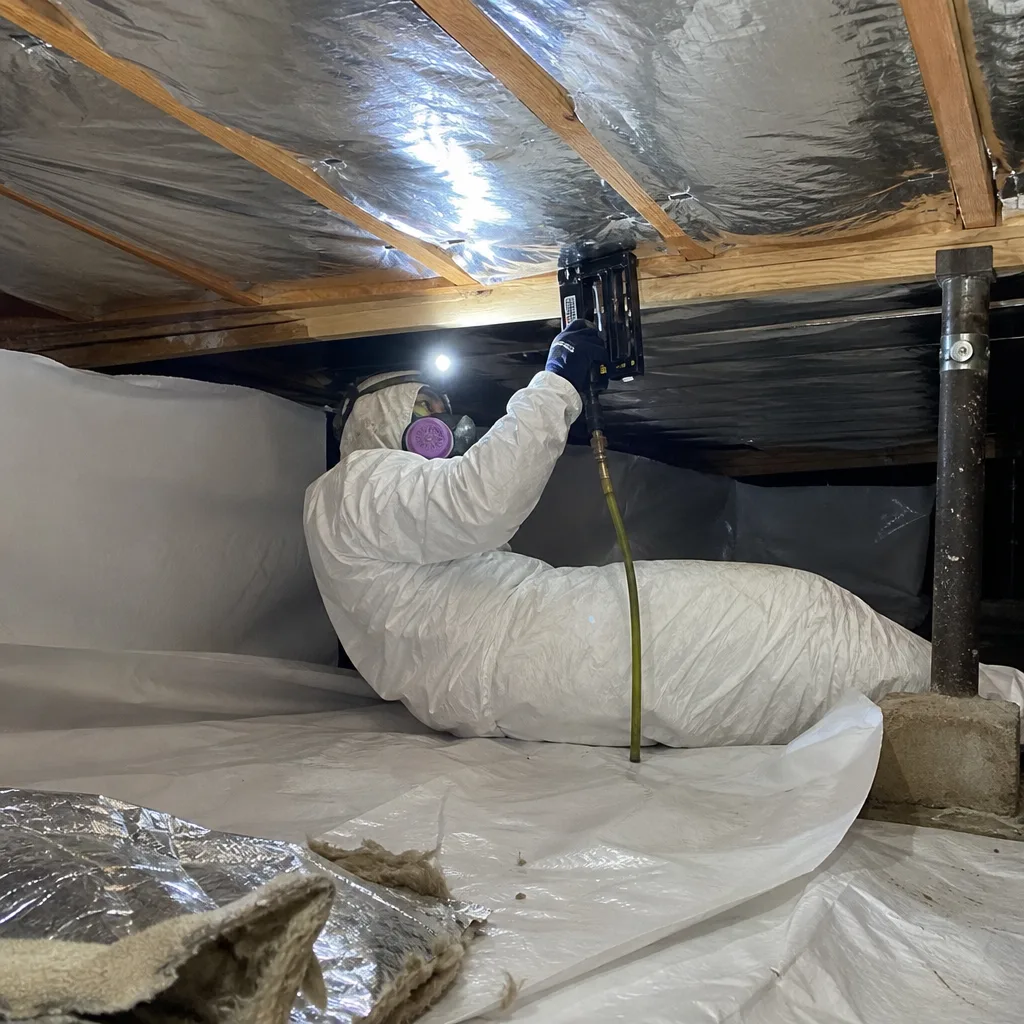
We work with Owens Corning radiant barrier products regularly - their FOIL-TECH line and foil-faced roof deck sheathing are common in Southern California new construction, and we’ve retrofitted hundreds of Long Beach attics where the original builder-grade application has degraded or was never installed to full coverage. Owens Corning’s perforated foil products handle our coastal humidity patterns well, and we specify their products when the job calls for integration with existing attic insulation systems or when the homeowner wants a single-manufacturer warranty across the full envelope assembly.
We also source from Icynene and Demilec for hybrid applications where spray foam air sealing precedes radiant barrier installation - a combination we use frequently in Long Beach’s older homes with complex framing and numerous penetrations. Whether your project calls for Owens Corning, Icynene, Demilec, or another established manufacturer, we don’t lock you into proprietary products. Our material specification is driven by your attic’s condition, your roof assembly type, and the performance documentation we want to deliver - not by distributor incentives. If you have a preferred brand or an existing warranty to protect, we work with that.
Signs You Need Radiant Barrier Installation Right Now
- Your second floor stays hot past 10 PM even with the AC running. This pattern indicates radiant heat gain in the attic that’s re-radiating into conditioned space faster than your cooling system can remove it. In Long Beach, where evening marine layer cooling should drop attic temperatures quickly, persistent upstairs heat means your roof assembly is storing and releasing heat on a delayed cycle - exactly what a radiant barrier interrupts.
- Your energy bill spikes every July and August despite no change in thermostat setting. Cooling systems in unprotected attics work against 140°F+ roof deck temperatures, and every degree the attic is hotter translates to longer compressor run times. If your summer bills are 40-60% higher than spring or fall, radiant heat gain is the likely culprit, especially if your insulation depth meets current code.
- You have flex duct or air handlers in the attic. Ductwork in a hot attic loses 15-30% of cooling capacity before the air reaches your vents, and air handlers work harder when the ambient temperature around them climbs. In Long Beach’s dense neighborhoods like Alamitos Beach and the East Village, where lot sizes limit alternative duct routing, attic placement is common - and radiant barrier installation directly protects that equipment investment.
- Your attic insulation is compressed, displaced, or older than 15 years. Fiberglass batts lose effectiveness when compressed or when gaps form from settling and rodent activity, but even intact insulation does almost nothing to stop radiant heat transfer. If you’re already considering insulation replacement, adding radiant barrier during the same project reduces labor costs and gives you a complete thermal boundary rather than a partial fix.
- Your roof was recently replaced with dark shingles. Dark roofing materials absorb up to 90% of solar radiation, and without a radiant barrier, that heat conducts directly into the attic space. In Long Beach, where HOA rules and aesthetic preferences often push homeowners toward darker colors, the thermal penalty is real and measurable - a radiant barrier offsets the color choice without restricting your roofing options.
Our Radiant Barrier Installation Process - Step by Step
- 1
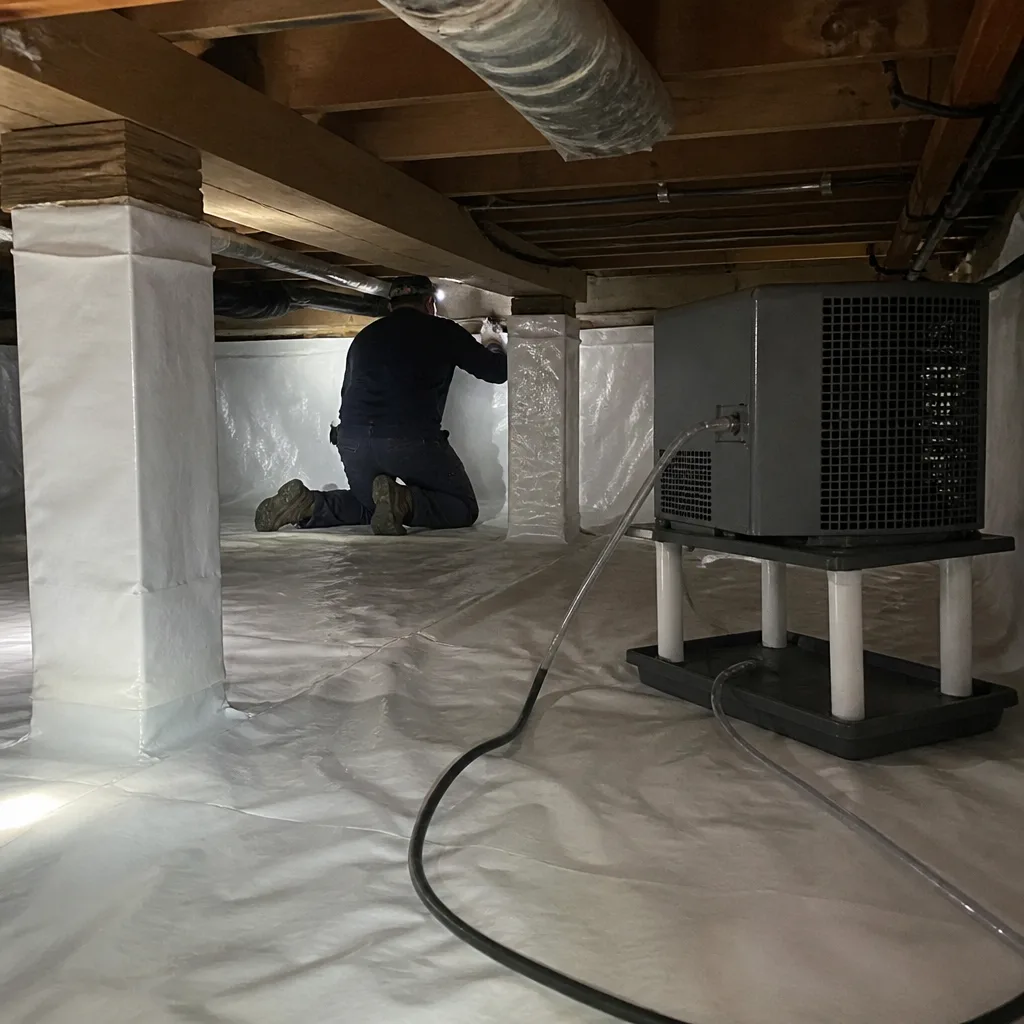
Attic assessment and blower-door test. We start with a full attic inspection and a blower-door test - a pressurization reading that shows, in one number, how much air your building envelope is losing. In Long Beach homes, we typically see initial readings of 3,500-5,500 CFM50 on pre-1990 construction. We photograph existing conditions, identify thermal bypasses, and document insulation depth and condition. You receive this photo record before we leave, and the blower-door number becomes our baseline.
- 2
Written price and scope delivery. Before any work starts, we deliver a flat written price with a detailed scope of work and written warranty - Haven Standard Clause 1. The price covers air sealing, radiant barrier material, installation labor, ventilation adjustments, and final documentation. No line items appear without explanation, and no work proceeds until you’ve approved the written scope in writing.
- 3
Air sealing of top plates, penetrations, and bypasses. We never install radiant barrier over an unsealed attic floor. Our crews seal top plates with fire-rated caulk and foam, box out can lights with proper covers, and address chimney chases, plumbing vents, and wire penetrations. This step typically reduces the blower-door reading by 15-30% before insulation or radiant barrier goes in - and we measure it to confirm.
- 4
Radiant barrier installation with ventilation verification. We install the specified radiant barrier product with proper air gaps, fastener patterns, and coverage to manufacturer specifications. Soffit baffles are verified open, ridge vents are cleared, and we confirm the 1:300 ventilation ratio is met or exceeded. In Long Beach’s coastal climate, we use perforated products and avoid applications that could trap moisture against roof decking.
- 5
Final blower-door test, photo documentation, and walkthrough. We run a second blower-door test to measure the total envelope improvement, photograph the completed installation from multiple angles, and walk you through the documentation - the before-and-after numbers, the photo record, the written warranty. You keep all of it. If the numbers don’t meet our written target, we keep working until they do, under our 365-Day Done Right Promise.
How Much Does Radiant Barrier Installation Cost in Long Beach?
A typical attic radiant barrier installation in Long Beach runs $1,800-$3,400 for a 1,200-2,000 square foot home with standard gable roof access and existing insulation that doesn’t require removal. Homes with complex rooflines, multiple attic compartments, or the need for insulation removal and replacement before radiant barrier installation typically fall in the $3,200-$4,200 range. These prices include air sealing, material, labor, ventilation adjustments, and the full documentation package - blower-door numbers, photo record, written warranty.
Several factors move the price within these ranges. Attic accessibility matters: tight scuttle openings, low headroom under the ridge, or extensive ductwork that must be worked around add labor hours. The condition of existing insulation determines whether we can install over it or need to remove degraded material first - removal adds $1.00-$1.50 per square foot. Roof deck application versus attic floor application affects material and labor costs, with roof deck work typically 20-30% higher due to overhead installation. Ventilation upgrades, if needed to meet code minimums, are priced separately and only if our assessment shows the existing system is inadequate.
To avoid overpaying, get any competing quote in writing and bring it to us - we offer a Free Second Opinion on any written estimate, and we’ll read it with you line by line. Some Long Beach contractors quote radiant barrier by the square foot without specifying air sealing, ventilation verification, or performance documentation; those are incomplete scopes that leave you without proof the system works. Our written price includes everything required for the barrier to function as designed, and we don’t start until you’ve seen and approved it.
Radiant Barrier Installation Near Long Beach - Our Service Area
We serve Long Beach and the surrounding communities with typical response times of same-day to next-day for assessments. Our crews work regularly in Lakewood, where the postwar tract homes share many of the same attic characteristics as Long Beach’s Belmont Shore and California Heights neighborhoods. We also cover Bellflower, Carson, Paramount, Cerritos, Compton, Norwalk, Lynwood, Downey, Lomita, and South Gate. Travel time is built into our scheduling, not added to your price, and we text when your technician is en route so you’re not waiting on a window.
Serving Long Beach, CA - Our Local Coverage Area
We’re based in the Long Beach area and know this community well. Use the map below to see our service coverage - if you’re nearby, we can almost certainly help.
Frequently Asked Questions - Radiant Barrier Installation in Long Beach
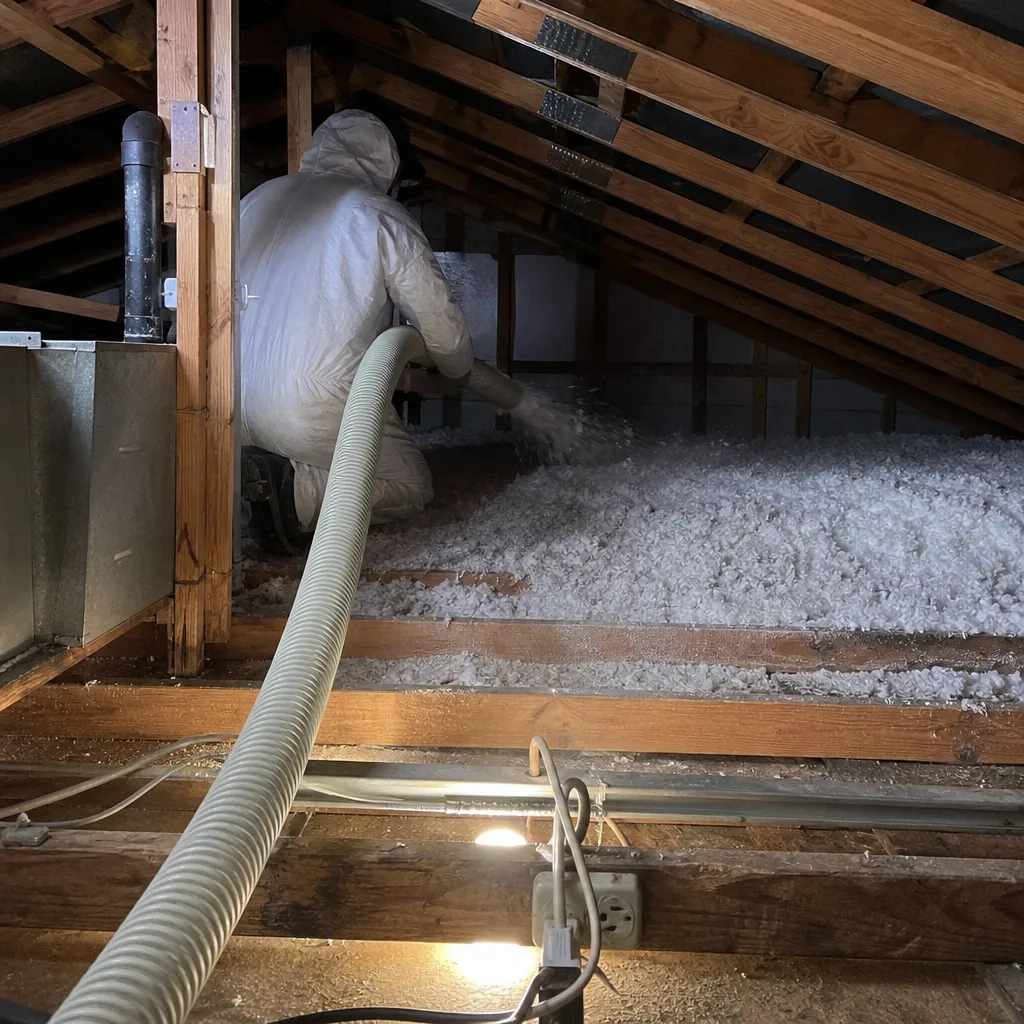
Radiant barrier installation is the process of adding a reflective surface, typically aluminum foil, to the attic floor or roof deck to block radiant heat transfer from a hot roof into your living space. Unlike insulation, which slows conductive heat flow, a radiant barrier reflects up to 97% of radiant energy back toward its source. In Long Beach’s climate, this matters most during summer afternoons when roof deck temperatures can exceed 150°F and radiate downward for hours after peak sun.
Most residential radiant barrier installations in Long Beach are completed in one day, assuming the attic is accessible and no insulation removal is required. Jobs requiring removal of existing material, extensive air sealing, or roof deck application in tight spaces may extend to a second day. We specify the expected duration in your written scope before work starts, and we don’t leave until the final blower-door test and documentation are complete. Call (424) 415-7031 to schedule - estimates are free.
Radiant barrier installation in Long Beach typically costs $1,800-$4,200 depending on attic size, accessibility, and whether insulation removal or ventilation upgrades are needed. A standard 1,500 square foot attic with good access and intact existing insulation usually falls in the lower half of that range. We provide a flat written price before any work starts, and our Free Second Opinion service lets you verify competing quotes against our scope. Call (424) 415-7031 for your specific estimate.
Yes, we regularly install and retrofit Owens Corning radiant barrier products, including their FOIL-TECH perforated foil and foil-faced roof deck sheathing. We’ve worked with these materials in hundreds of Southern California attics and understand their integration requirements with ventilation systems and existing insulation. Whether you have Owens Corning or another manufacturer’s product, we can assess its condition, repair or extend it, or replace it with a current specification. Call (424) 415-7031 to discuss your specific product.
We answer calls 24/7 and can typically schedule an assessment within 24 hours, though true emergencies in radiant barrier work are rare - this is a planned improvement, not an urgent repair. If you’re dealing with an attic-related emergency such as a roof leak affecting insulation or a failed HVAC system in extreme heat, we can prioritize assessment and temporary measures while scheduling the full radiant barrier installation. A live person answers at (424) 415-7031, any time.
Every radiant barrier installation is backed by our 365-Day Done Right Promise - if it’s not done right, we make it right - plus the written warranty delivered before work starts under Haven Standard procedures. The warranty covers material defects, installation workmanship, and the performance target specified in your written scope. You keep the written warranty, the photo documentation, and the before-and-after blower-door numbers as your proof of coverage. No callback windows, no voicemail loops if you need us.
Clear attic access paths and remove stored items from the work area - our crews need safe passage and working room at the attic opening and beneath the work zone. We’ll need access to electrical outlets for our blower-door fan and lighting, and pets should be secured away from the work area. We handle everything else: protective floor coverings, debris containment, and final cleanup. You’ll receive a text when your technician is en route, and the written scope review takes 10-15 minutes before we start - no surprises, no pressure.
Schedule Your Radiant Barrier Installation Service in Long Beach Today
Call (424) 415-7031 now to speak with a live person and schedule your free estimate. We’ll assess your attic, run a blower-door test, and deliver a flat written price before any work starts - that’s Haven Standard Clause 1, and it’s how we’ve operated since 2016. Whether you’re in Bixby Knolls, Naples, Lakewood Radiant Barrier Installation, or anywhere in our Long Beach service area, we bring documented evidence, not promises.
Written by Wes Okafor, Owner at Topside Attic Insulation Long Beach, serving Long Beach since 2016.