
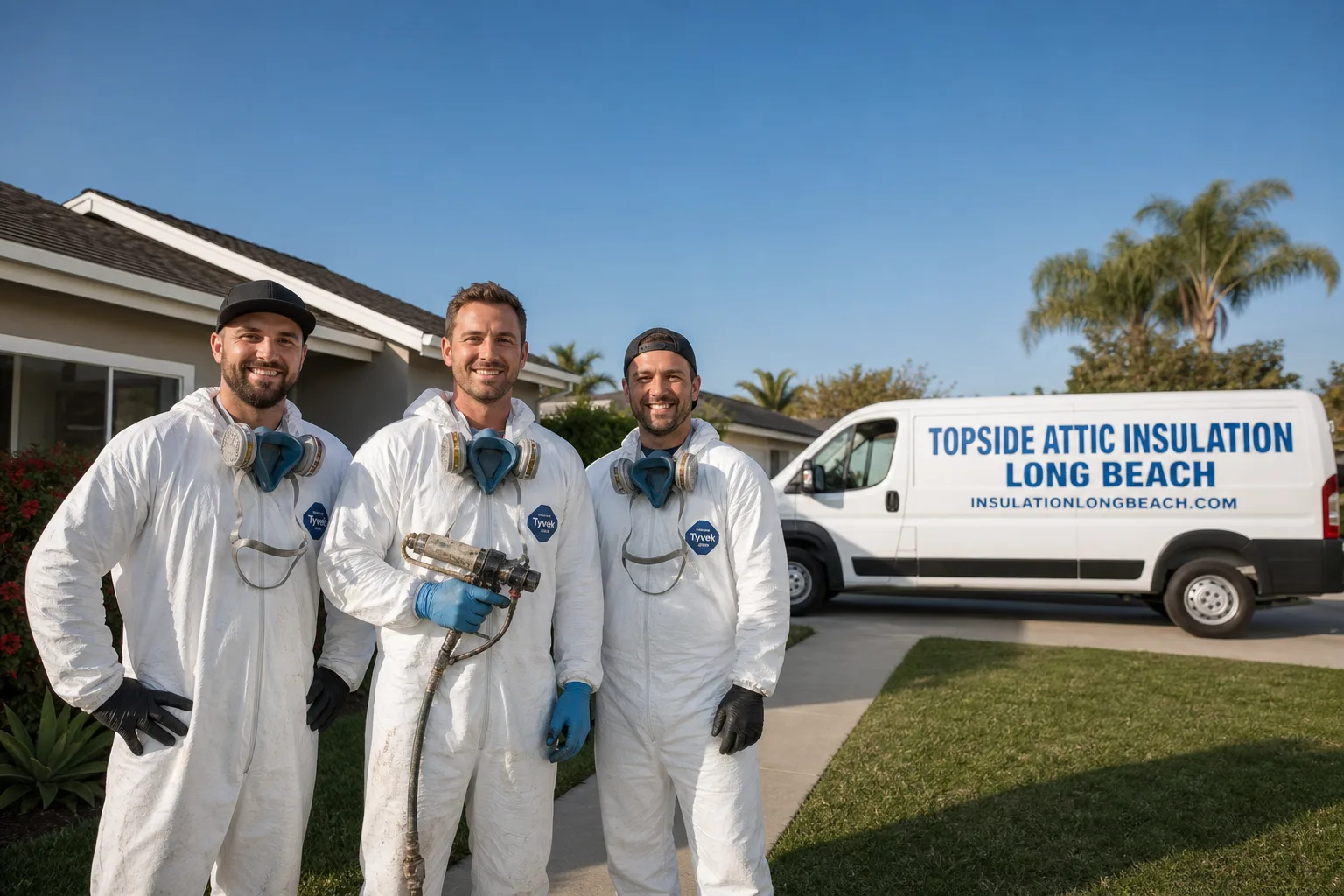
Fast, Reliable Blown-In Insulation Across Compton
Blown-in insulation in Compton typically costs $1.80-$3.50 per square foot installed, with most complete attic jobs running $2,400-$5,800 and dense-pack wall work in a 1,100 sq ft stucco tract home falling between $3,200-$6,400. Our crews are on Compton streets daily, from the Rancho Dominguez border down to Alondra Boulevard, and we can usually schedule a blower-door assessment within 48 hours. Call (424) 415-7031 for a written price before any work starts.
We’ve been treating Compton’s housing stock as a distinct category since we started seeing the pattern: 900-1,400 sq ft stucco-over-frame homes built between 1945 and 1960, most with 2×4 walls that were never insulated to begin with. The marine layer doesn’t reach this far inland. Summer afternoons in Compton hit the mid-to-upper 90s while Torrance stays fifteen degrees cooler. That temperature gap changes everything about how insulation performs and how fast it pays for itself.
Why Topside Attic Insulation Long Beach Is Compton’s Preferred Blown-In Insulation Company
Our Compton customers leave reviews that mention one thing repeatedly: the blower-door number. We publish before-and-after CFM50 readings on every job where air sealing is part of the scope, so a homeowner on East Compton Boulevard or near Centennial High can verify exactly how much conditioned air their house was losing before we started and how much less it loses now.
Response time matters in Compton’s summer heat. We dispatch and schedule from our Los Angeles office, but our crews live and work throughout the South Bay and Gateway Cities. A call for Compton service typically gets a technician on-site within 24-48 hours, not the week-long windows some regional operators quote for this market.
We’ve completed blown-in insulation work in Compton neighborhoods from Lueders Park north of Rosecrans Avenue down to the residential blocks west of the 710 freeway near Dominguez. That geographic spread means we recognize the local variants: the 1948-1953 tracts with original knob-and-tube still live in the walls, the post-1960 additions with different framing, the garage conversions that never pulled permits and never got inspected for envelope continuity.
Wes Okafor established our operating protocol in 2016: every job begins with a written price and ends with a documented record. No exceptions. That Haven Standard clause matters especially in Compton, where the Low-Income Weatherization Program can cover most or all of insulation costs for qualifying households, but only if the contractor’s paperwork is clean enough to pass program audit.
Our Blown-In Insulation Services in Compton
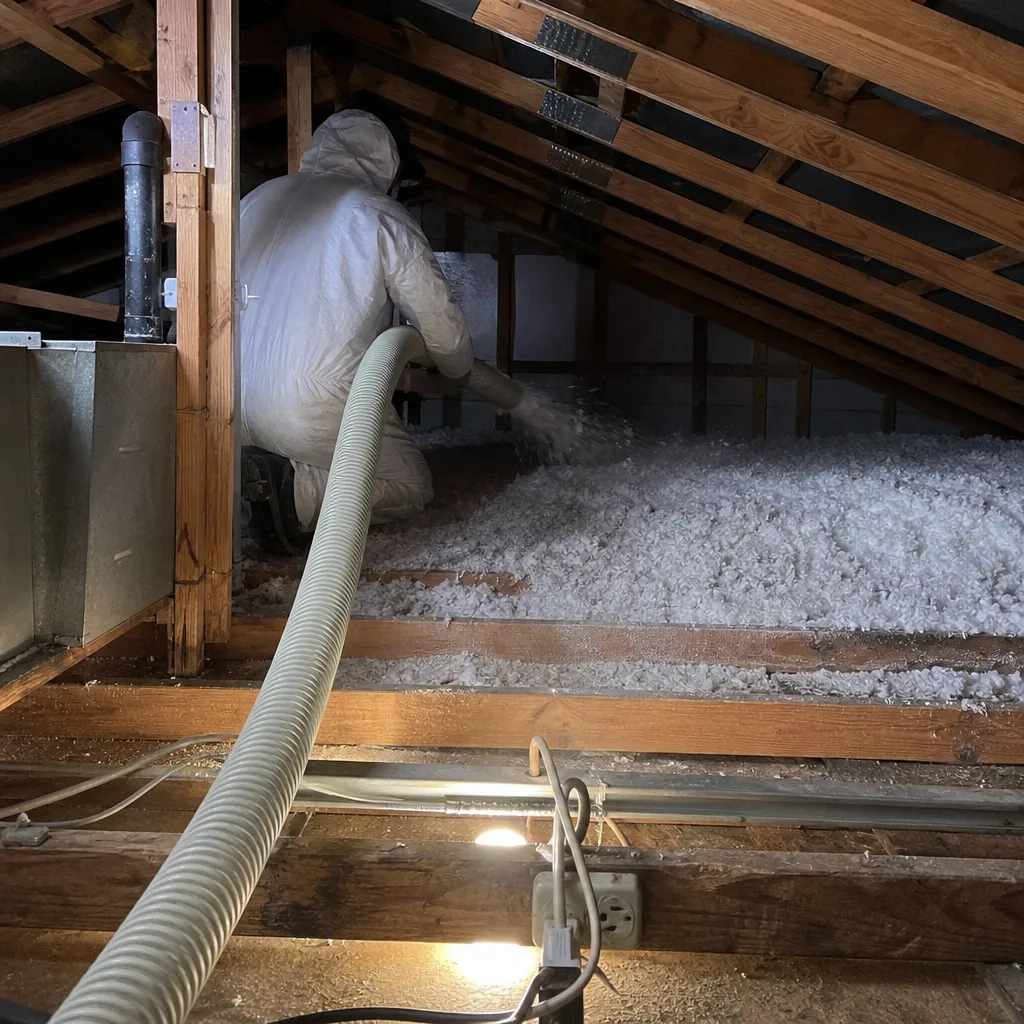
Blown-In Cellulose
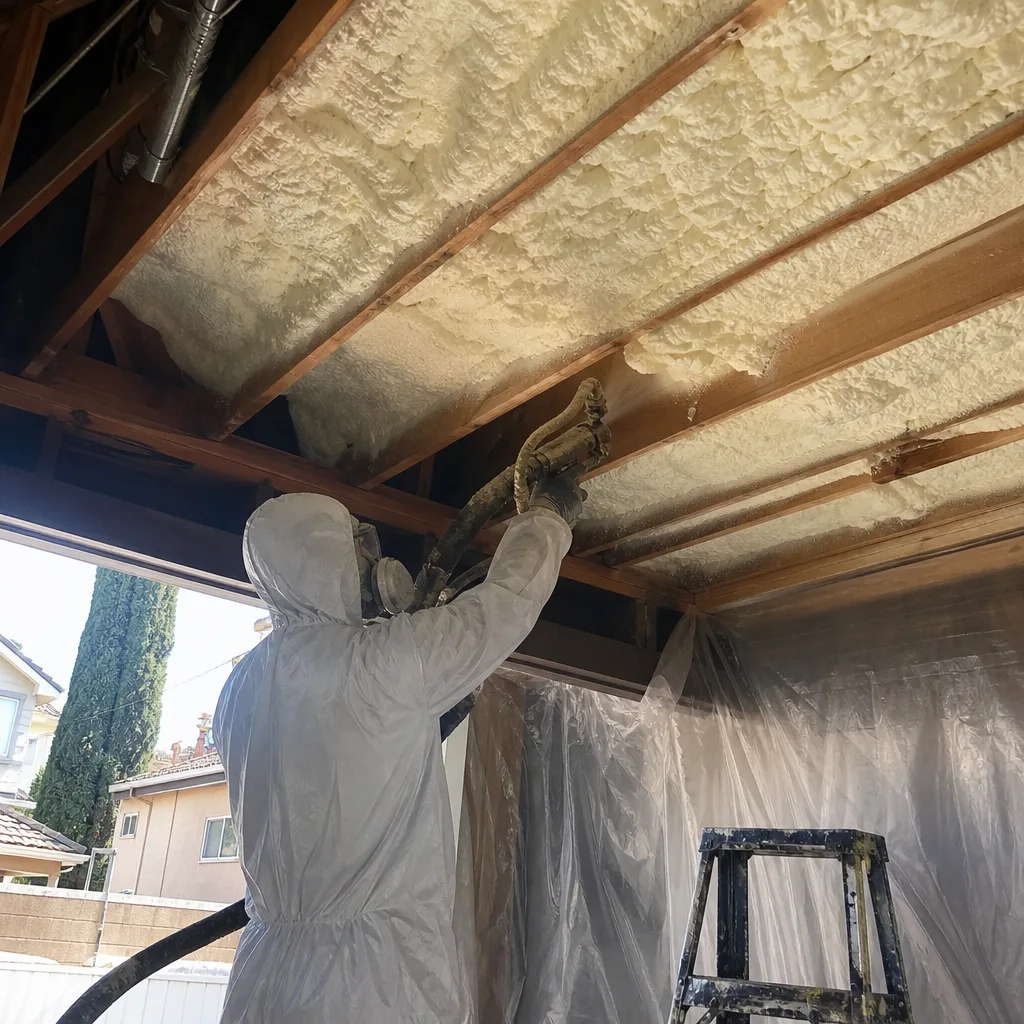
We use GreenFiber cellulose for most Compton attic jobs. It’s treated with borate fire retardant, packs well at the R-38 depth California Title 24 recommends for this climate zone, and performs better than fiberglass in Compton’s temperature swings. The material matters less than the prep, though. We air-seal top plates, can lights, and plumbing penetrations before the blower truck arrives. Blowing cellulose over an unsealed attic floor in a 1952 Compton ranch is like pouring water into a cracked bucket.
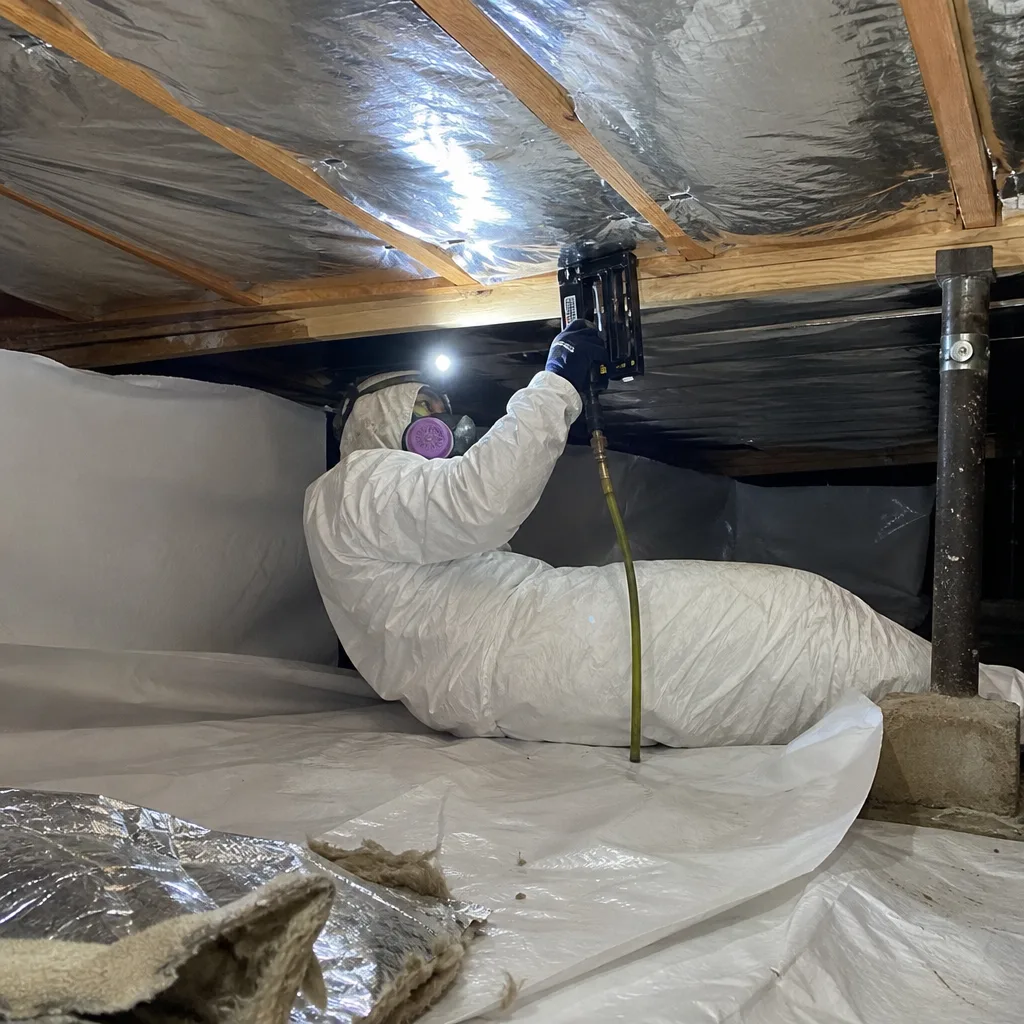
Blown-In Fiberglass
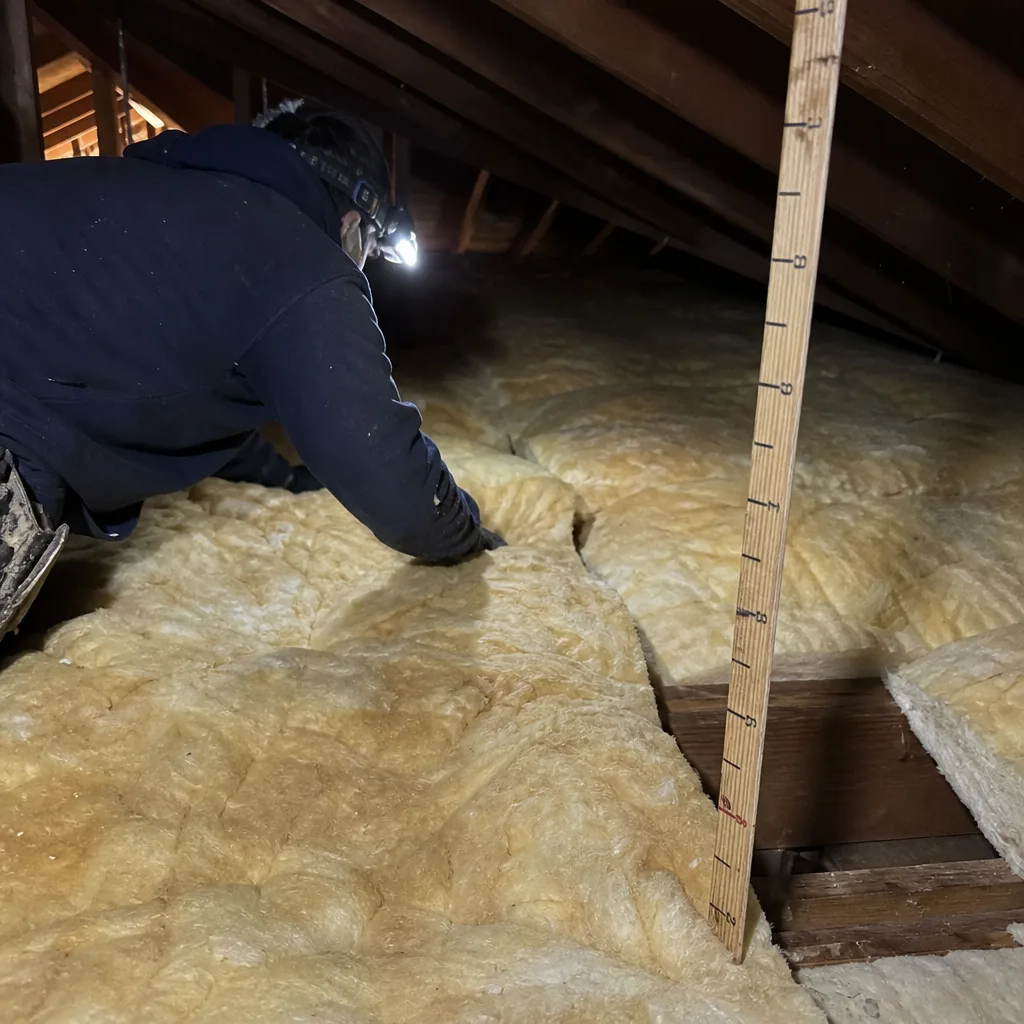
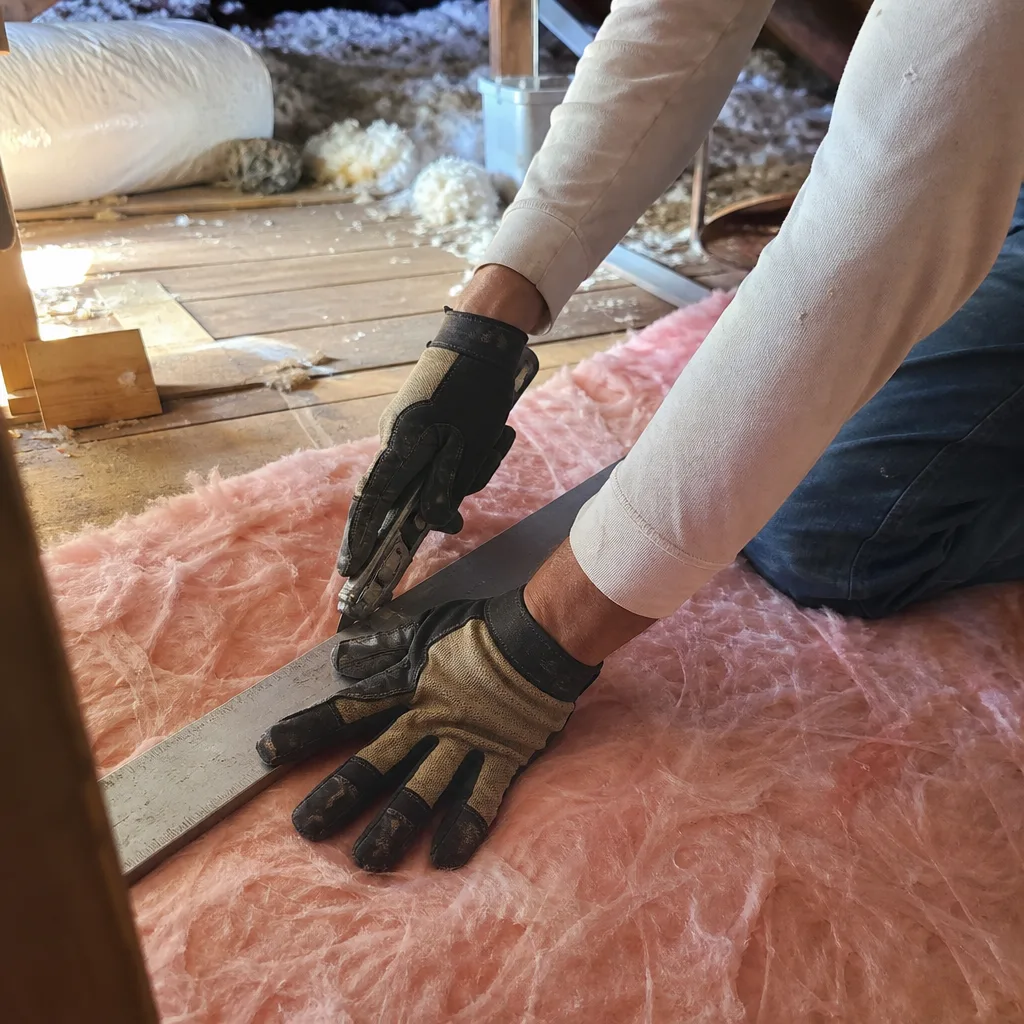
Fiberglass works well for open attic floors where access is straightforward and the joist bays are uniform. In Compton’s older tracts, we often find original low-density fiberglass that’s compressed to R-11 or less after seventy years. We remove that degraded material rather than burying it. The new blown-in fiberglass goes in at proper density, with a documented photo record showing depth markers across the attic plane. Owens Corning ProPink is our standard spec for these jobs.
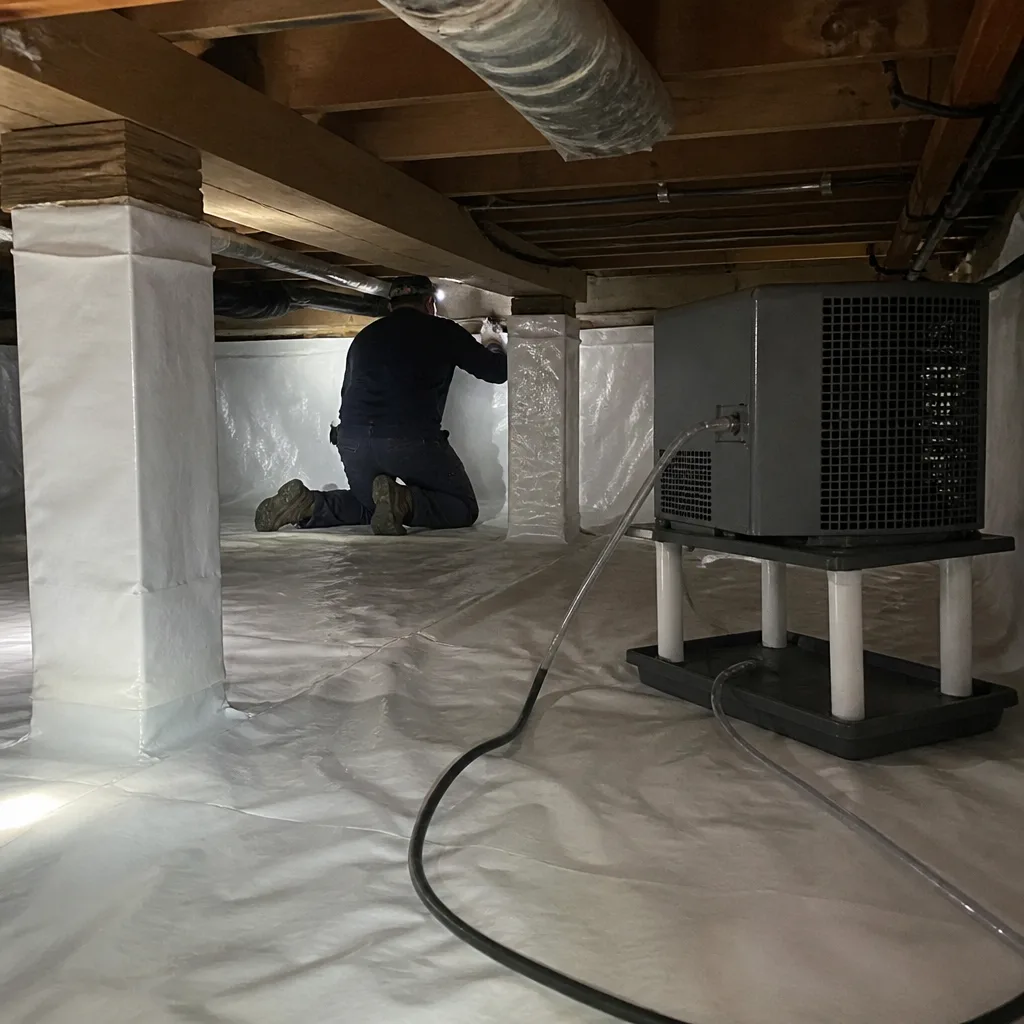
Dense-Pack Wall Insulation
This is where Compton’s housing stock gets interesting. Those 2×4 stucco walls were built empty. No insulation, no vapor management, just plaster lath and stucco on the outside. Dense-packing cellulose into those bays at 3.5-4.0 lbs per cubic foot creates a continuous thermal barrier without tearing off the stucco. But we check the sheathing and weep path first. Stucco systems need to dry inward; dense-pack changes that dynamic, and done wrong, it traps moisture against original framing. On a 1951 stucco ranch off South Acacia Avenue near Willowbrook, we found a 2×4 wall cavity completely empty behind the original plaster, with a rear garage conversion that had never been insulated at all. We dense-packed GreenFiber cellulose into the wall bays from the interior and blew fiberglass into the shared attic over both the original house and the converted space, then air-sealed the top plates. The homeowner’s window-AC cycling dropped noticeably the next week, and the envelope finally read as one continuous system instead of two.
Blown-In Top-Up
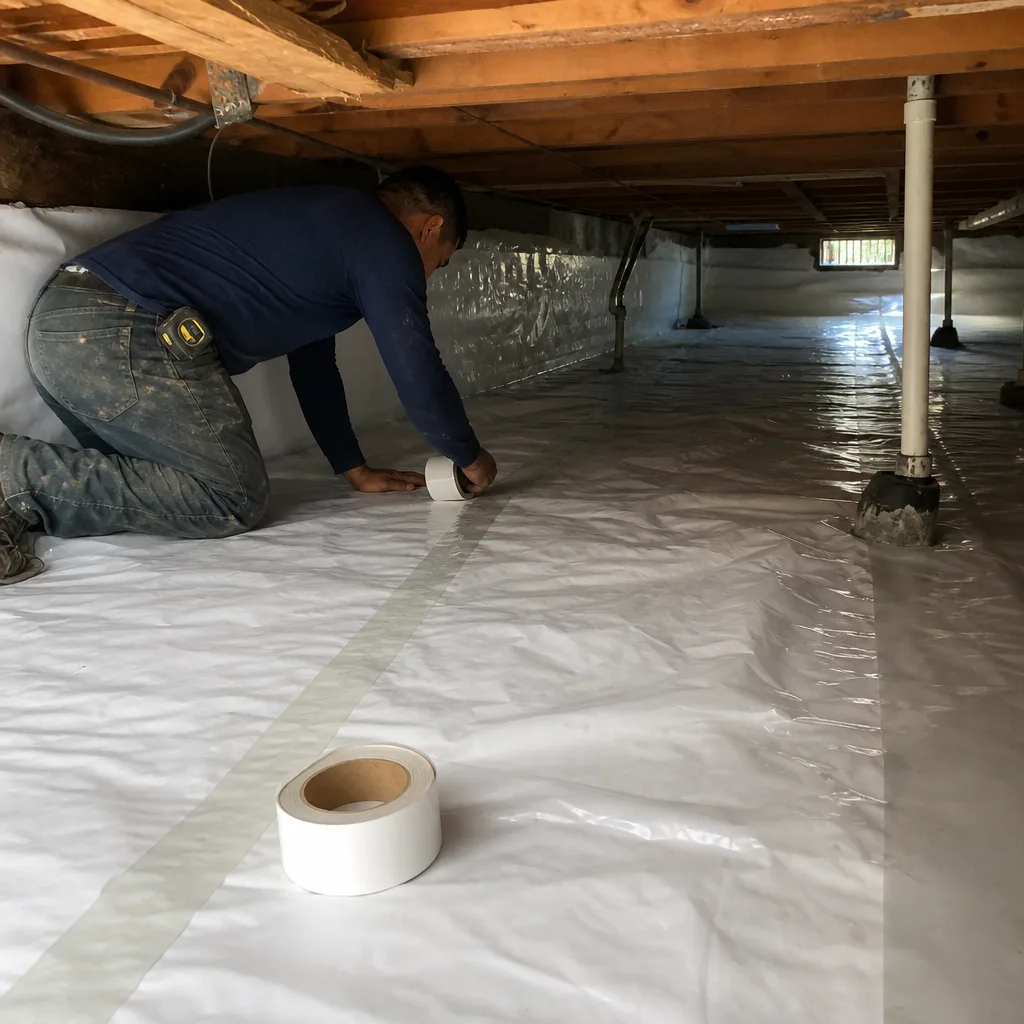
Top-ups are common in Compton, but we’re selective about them. If the existing insulation is degraded, compacted, or contaminated, we remove it. If it’s clean but shallow, we measure what’s there and calculate the additional depth needed to reach target R-value. The critical step most contractors skip: air sealing before the top-up. Compton’s afternoon heat pulls conditioned air upward through every gap in the attic floor. Adding insulation without sealing those gaps just buries the problem deeper.
What happens when you call
- 1
A real person answersNo phone trees - you reach a local pro.
- 2
You get an upfront price rangeHonest numbers before anyone is dispatched.
- 3
A background-checked tech heads outLicensed & insured, dispatched right away.
- 4
You approve before work beginsNothing starts until you say go.
Trusted Brands We Service in Compton
We source blown-in materials from Owens Corning, GreenFiber, Icynene, and Demilec, depending on the application. No proprietary lock-in means we spec what’s right for the job, not what our supplier is pushing this quarter. For Compton’s stucco tracts, that usually means GreenFiber cellulose for dense-pack walls and Owens Corning fiberglass for open attics. We keep common densities and depths in stock through our Los Angeles supply chain, so a Compton job doesn’t wait on freight from out of state.
Common Blown-In Insulation Problems We See in Compton Homes
- Split thermal envelopes from unpermitted additions. Blowing loose fill only into the original 1948 attic while leaving the unpermitted rear-yard addition’s ceiling untouched - the added rooms stay hot and the envelope stays split. We map the whole conditioned space before we spec any material.
- Moisture trapping in stucco walls. Dense-packing 2×4 stucco walls without first confirming the sheathing/weep path, so moisture that used to dry inward gets trapped and the original plaster or framing stays damp. We inspect the wall assembly before we commit to dense-pack.
- Top-ups over unsealed attic floors. Topping up over degraded, compacted original material in an attic with no air-sealing first, so mid-to-upper-90s Compton afternoon heat still pulls conditioned air straight up through open top plates. Our blower-door test finds those leaks before insulation goes in.
- Ignoring the garage conversion entirely. The converted space shares a ceiling with the original attic, but contractors often treat it as “not our scope” even though it’s the hottest room in the house. We include it in the thermal map and the written price.
Pricing for Blown-In Insulation in Compton, CA
Most blown-in insulation jobs in Compton fall into these ranges:
| Service | Typical Range |
|---|---|
| Attic blown-in (complete, air-sealed, R-38) | $2,400 - $5,800 |
| Attic top-up (air-sealed, added depth to existing) | $1,200 - $3,200 |
| Dense-pack wall insulation (1,000-1,400 sq ft home) | $3,200 - $6,400 |
| Air sealing only (blower-door verified) | $800 - $2,000 |
What moves the number: attic accessibility (some Compton tracts have scuttle holes too small for a technician), existing material condition, whether knob-and-tube wiring is present and needs electrician coordination, and the extent of air sealing required. Every job gets a written price before any work starts. Haven Standard Clause 1. We also offer a Free Second Opinion on any written estimate from another contractor. Bring us their scope; we’ll read it with you.
For qualifying Compton households, the Low-Income Weatherization Program can reduce these costs substantially or eliminate them entirely. We navigate that application process with customers who qualify. Most competing contractors don’t bother.
We Also Serve Cities Near Compton
Our crews work throughout the South Bay and Gateway Cities. If you’re in Compton or nearby Carson, Lynwood, Paramount, or Torrance, the same technician team, same written price protocol, and same blower-door documentation applies. The Blown-In Insulation service hub has full technical details on methods and materials.
Serving Compton, CA - Our Local Coverage Area
We’re based in the Compton area and know this community well. Use the map below to see our service coverage - if you’re nearby, we can almost certainly help.
FAQs - Blown-In Insulation in Compton
Yes. Dense-pack cellulose installs through interior drywall or plaster without removing the stucco exterior. We drill access holes, fill the 2×4 bays at 3.5-4.0 lbs per cubic foot, then patch and texture match. But we first verify the wall sheathing condition and moisture drying path, because stucco systems that can’t dry inward will trap water against framing. Call (424) 415-7031 and we’ll assess your specific wall assembly.
The conversion needs to be included in the thermal envelope or it will stay the hottest space in the house. We often find that the converted garage shares an attic with the original structure, so blown-in insulation over both areas with proper air sealing at the shared walls is the right approach. We map the whole space and include it in the written scope. Ignoring it is not an option we offer.
Yes. Compton’s designation as a California disadvantaged community under SB 535/CalEnviroScreen makes residents eligible for the Low-Income Weatherization Program, which can cover insulation, air sealing, and related measures at no cost for qualifying households. Most local insulation contractors don’t actively help customers navigate this application. We do. The paperwork is part of our service.
Compton sits 15+ miles inland with no marine layer buffering. Summer highs run 8-12°F above coastal LA, and that heat mass stores in uninsulated or poorly insulated attics well past dark. A properly insulated and air-sealed attic, often with a radiant barrier, drops that thermal mass significantly. Your cousin’s beach-adjacent house has different physics working in its favor.
Yes, substantially. Window units are undersized for the cooling loads that uninsulated Compton attics and walls create. A sealed and insulated envelope reduces the load the AC must fight, which means shorter cycle times, lower electricity bills, and rooms that actually reach set temperature. We measure the before-and-after difference with blower-door tests so you can see the change in one number. Call (424) 415-7031 for a free estimate.
Ready to see what your Compton home’s blower-door number looks like? Call (424) 415-7031. We’ll schedule an assessment, deliver a written price before any work starts, and leave you with a documented photo record and - on applicable jobs - before-and-after pressurization readings that show exactly what you paid for.
Written by Wes Okafor, Owner at Topside Attic Insulation Long Beach, serving Compton under The Haven Standard since 2016.